A Simple Trick to Tell Real Honey From Fake: Just Flip the Bottle Upside Down
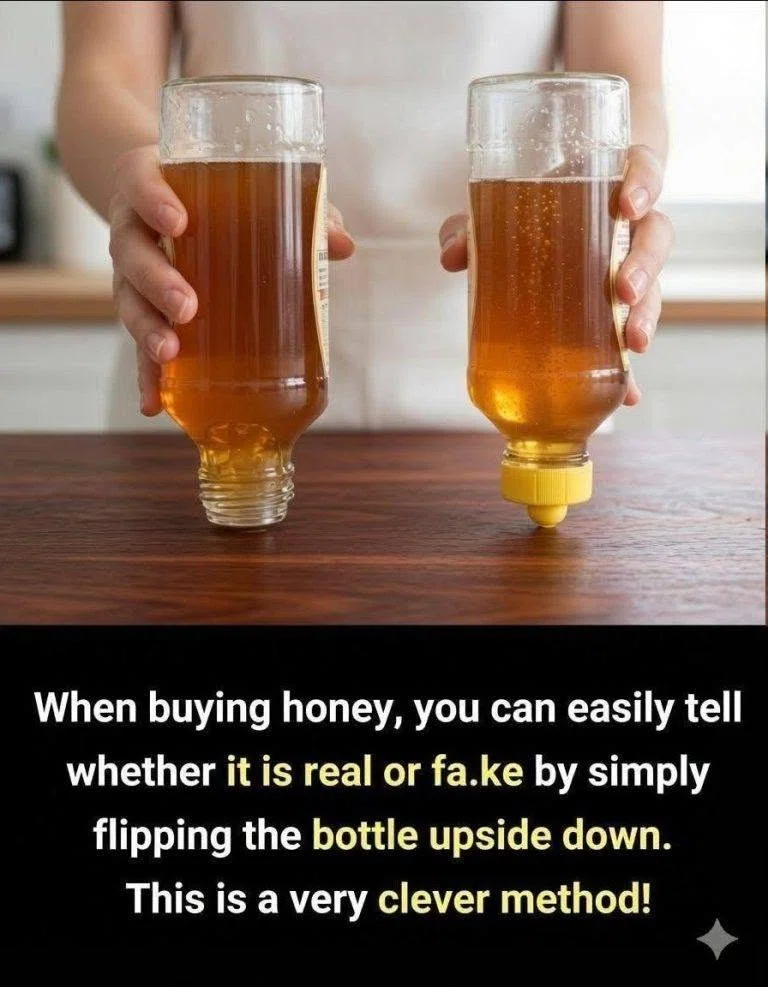
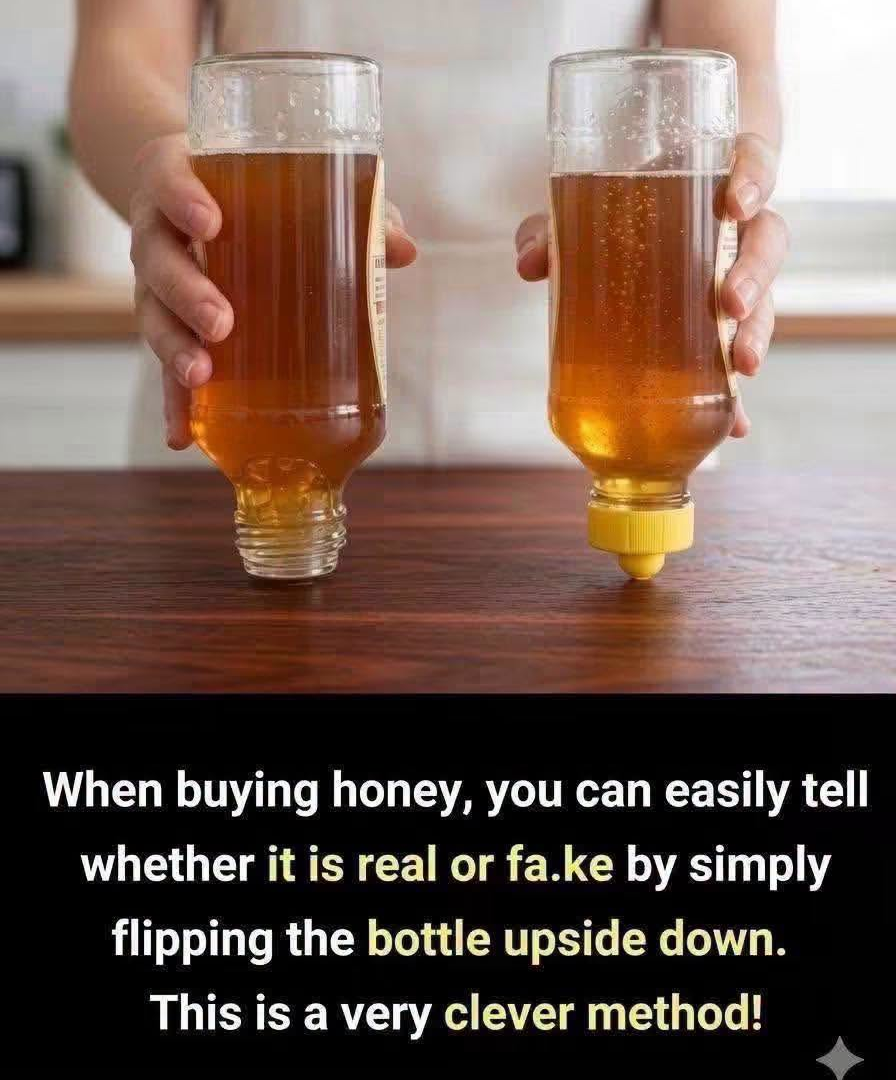
When a jar of honey is turned upside down, an air bubble forms and begins to rise through the thick liquid toward the top. The speed at which that bubble travels is the entire basis of the test. The claim is straightforward: slow bubble, real honey; fast bubble, fake honey.
There is a kernel of physical truth here. The speed at which a bubble rises through a fluid depends on the fluid’s viscosity, which in turn is influenced by its moisture content. Honey with lower moisture content is denser and more viscous, so a bubble will move through it more slowly. Honey with higher moisture content is thinner, allowing the bubble to rise faster .
So the test does provide some information about the honey’s density. What it does not provide is a reliable verdict on authenticity. The speed of the bubble reflects moisture content, and moisture content varies naturally depending on the floral source of the honey, the climate and humidity during the season it was produced, and how the honey was processed . A perfectly genuine honey from a floral source that naturally produces a higher-moisture product could fail the test, while a honey that has been diluted with a small amount of water or syrup might still pass if its base viscosity is high enough.
Why the Bubble Test Falls Short of Proving Authenticity