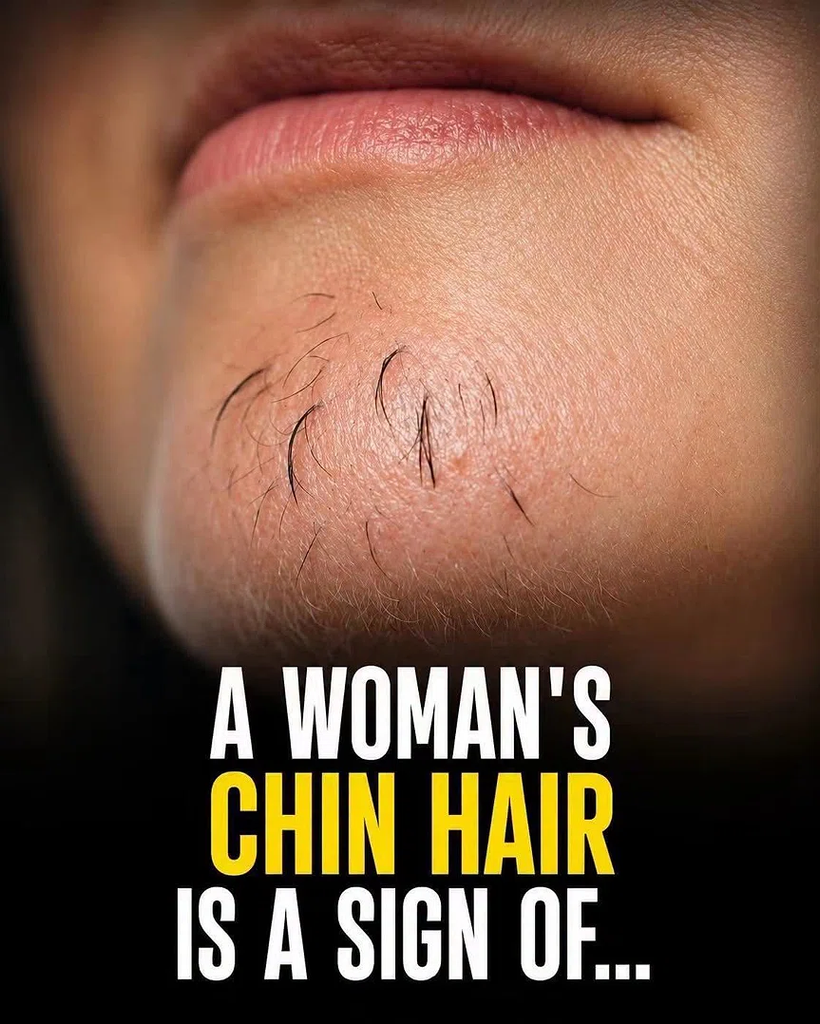
A Woman’s Chin Hair: What It Really Signals and When to Pay Attention
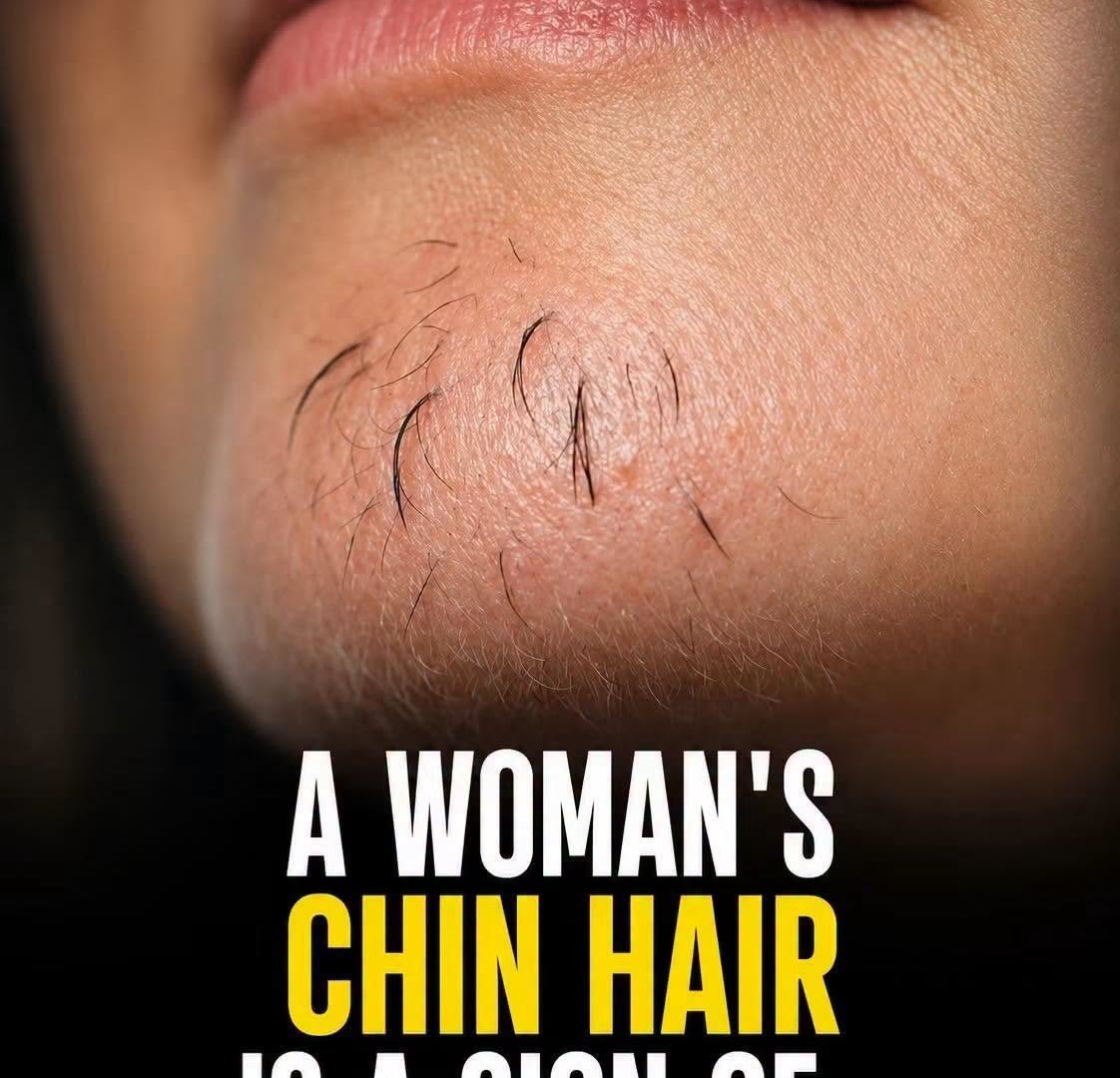
When chin hair is accompanied by other symptoms, the most common underlying diagnosis is polycystic ovary syndrome, often abbreviated as PCOS or PMOS. Medical sources consistently identify PCOS as the most frequent cause of hirsutism, accounting for the majority of cases . PCOS is a complex endocrine condition that affects roughly 5% to 15% of women of reproductive age .
How PCOS Leads to Chin Hair
PCOS disrupts the normal balance of sex hormones, leading to an overproduction of androgens—hormones like testosterone that are typically associated with male characteristics. These elevated androgen levels stimulate the hair follicles in androgen-sensitive areas, causing vellus hair to transform into the thicker, darker terminal hair that characterizes hirsutism .
Accompanying Symptoms
Chin hair in the context of PCOS rarely occurs in isolation. Women with PCOS often experience a cluster of symptoms that can help distinguish it from other causes. These may include irregular or absent menstrual periods, acne, weight gain (particularly around the abdomen), and thinning hair on the scalp . The combination of these signs is a strong indicator that a hormonal evaluation is warranted.