Bitten by a Snake While Turkey Hunting: What to Do and How to Identify the Culprit
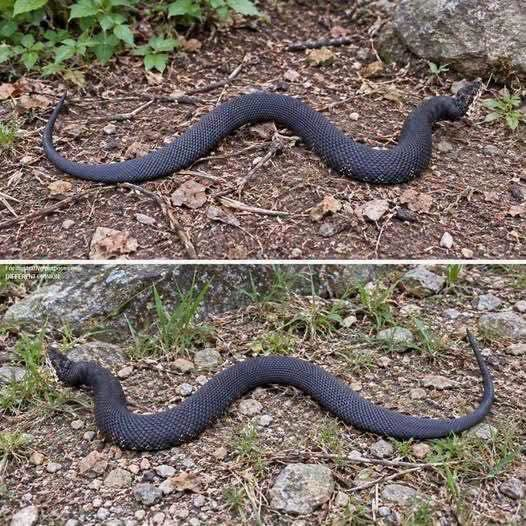
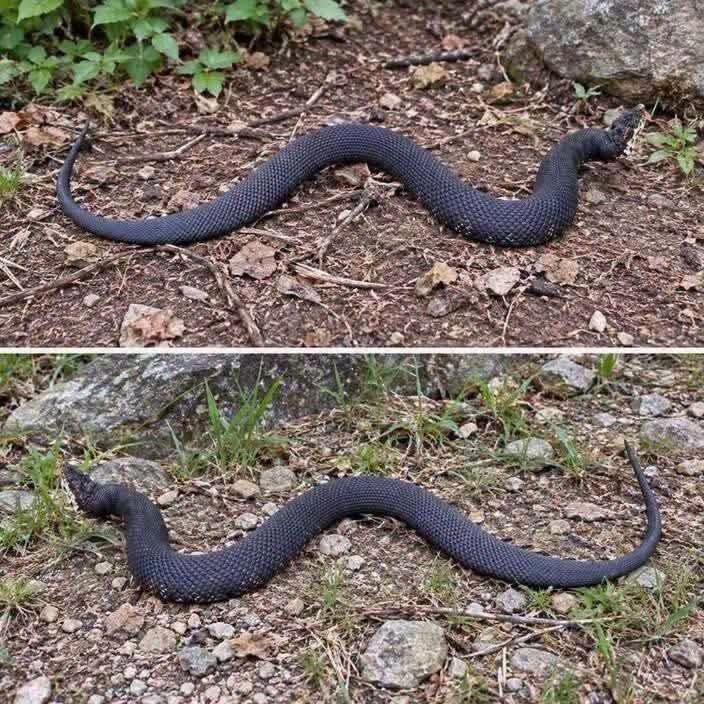
A snake bite in the woods is a frightening experience, especially when you are far from medical help and unsure of what bit you. The image in your post shows a solid black snake, and the caption reveals that you were turkey hunting down south when you were bitten. The immediate question is whether the snake was venomous, and the immediate priority is your health and safety. Based on the visual evidence, the snake is most likely a Black Rat Snake, which is non-venomous. However, because snake identification from a photograph can be unreliable, and because the southern United States is home to several venomous species, the responsible course of action is to seek medical evaluation rather than relying on internet guesses.
Identifying the Snake: The Most Likely Candidate
The snake in your photographs is long, slender, and uniformly black with a slightly glossy appearance. These features are characteristic of the Black Rat Snake (Pantherophis obsoletus), also known as the Western Rat Snake or Pilot Black Snake. It is one of the most common large snakes in the southern and eastern United States.
Why It Is Likely a Black Rat Snake
Black Rat Snakes are constrictors that feed primarily on rodents, birds, and eggs. They are excellent climbers and are often found in barns, attics, and wooded areas. They are non-venomous and generally docile, though they may bite defensively if handled or stepped on. The snake in your photo has the typical smooth, black scales and slender build of a rat snake, and it lacks the distinctive markings, thick body, or triangular head of most venomous species found in the region.
The Lookalikes: Why Certainty Matters
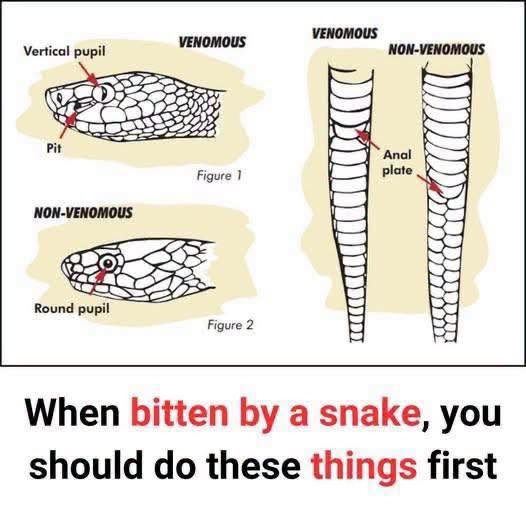
The southern United States is also home to the Cottonmouth (Water Moccasin), a venomous pit viper that can appear dark or black, especially in older individuals. Cottonmouths are typically thicker-bodied, have a blocky head, and are usually found near water, though they can venture onto land. Some commenters on similar posts have suggested that a dark snake could be a cottonmouth, which is why a photograph alone is not sufficient for a definitive identification. The Southern Black Racer is another non-venomous black snake that is common in the region and is often confused with the rat snake.
The key takeaway is this: while the snake strongly resembles a harmless rat snake, a medical professional should be the one to assess the bite and determine whether any treatment is needed.
Immediate First Aid for a Snake Bite
While you are arranging transport to a hospital or urgent care, the following steps are recommended by medical authorities:
Stay Calm and Still
Panic and physical exertion can increase your heart rate, which can speed the spread of venom if the snake was venomous. Try to remain as calm as possible. Keep the bitten limb at or below heart level and avoid unnecessary movement.
Remove Constricting Items
Remove any rings, watches, bracelets, or tight clothing near the bite area. If swelling occurs, these items can become constricting and cause additional problems.
Clean the Wound Gently
Wash the bite area with soap and water. Cover it with a clean, dry bandage. Do not apply ice, and do not attempt to cut the wound or suck out the venom. These outdated methods can cause more harm than good.
What Not to Do
Do not apply a tourniquet unless specifically instructed by a medical professional. Do not drink alcohol or caffeine, which can increase your heart rate. Do not try to catch or kill the snake, as this risks a second bite.
When to Seek Emergency Care
You should go to an emergency room immediately if you experience any of the following symptoms, which could indicate a venomous bite:
Severe pain, swelling, or discoloration spreading from the bite
Nausea, vomiting, or dizziness
Difficulty breathing or swallowing
Rapid heart rate or weakness
Numbness or tingling around the mouth or face
Even if you feel fine, it is still wise to have a doctor examine the bite. They can clean the wound, check for signs of infection, and provide reassurance. If you still have the snake or a clear photo of its head, show it to the medical staff to help with identification.
Preventing Future Encounters
Snake bites often happen when a snake is accidentally stepped on or handled. When walking in tall grass or woods, wear sturdy boots and long pants, and watch where you place your hands and feet. If you encounter a snake, give it plenty of space and let it retreat. Snakes are generally more afraid of you than you are of them and will avoid confrontation if given the chance.
Conclusion
The snake that bit you is most likely a non-venomous Black Rat Snake, which is a common and beneficial species in the southern United States. However, because identification from a photo is not definitive, and because venomous lookalikes exist in the region, the safest course of action is to seek medical evaluation. The fact that you are able to post about the bite “earlier this week” without mentioning severe symptoms is a reassuring sign, but it is always better to err on the side of caution. Follow the first-aid steps outlined above, get the wound checked, and take steps to avoid future encounters in the field.
Frequently Asked Questions
Was I bitten by a venomous snake?
Based on the photographs, the snake appears to be a non-venomous Black Rat Snake. However, a definitive identification requires expert examination. Seek medical attention to be certain and to have the bite assessed.
What does a Black Rat Snake look like?
Black Rat Snakes are long, slender, and uniformly black with a slightly glossy appearance. They are non-venomous and common in the southern and eastern United States.
What should I do immediately after a snake bite?
Stay calm, keep the bitten limb still and below heart level, remove constricting items, and wash the wound gently with soap and water. Do not cut the wound, suck out venom, or apply a tourniquet. Seek medical attention promptly.
When should I go to the emergency room?
Go to the emergency room immediately if you experience severe pain, swelling, nausea, vomiting, difficulty breathing, dizziness, or any other concerning symptoms. Even without symptoms, it is wise to have a doctor examine the bite.
Should I try to catch the snake for identification?
No. Trying to catch or kill the snake risks a second bite. If you have a clear photo of the snake, show it to medical staff. Otherwise, focus on your own safety and medical care.