Did You Know That Eating Bananas Increases… What Science Says About Their Effects on Your Body
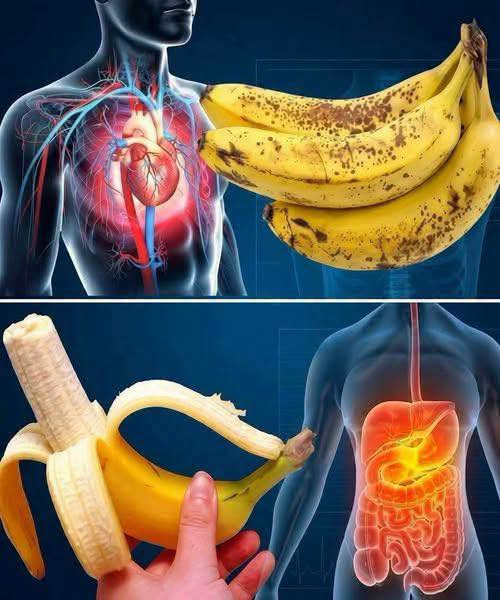
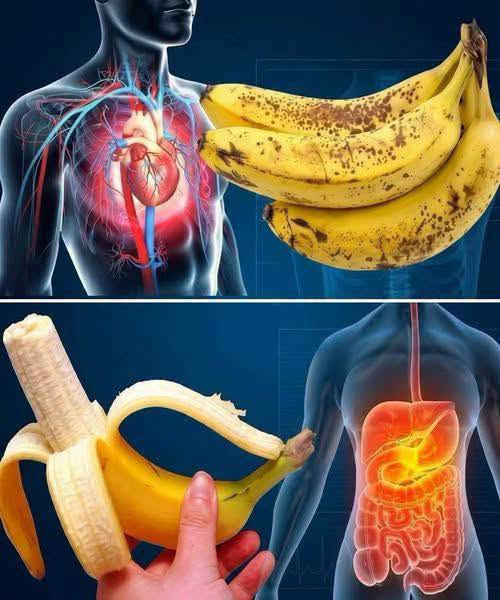
Potassium works in opposition to sodium in the body. While excess sodium can cause blood vessels to constrict and blood pressure to rise, potassium helps the kidneys excrete more sodium through urine. This balance is crucial for keeping blood pressure within a healthy range. The American Heart Association specifically recommends potassium-rich foods like bananas for managing hypertension and reducing the risk of heart attack and stroke.
Research supports this connection. Studies have found that higher potassium intake is associated with lower blood pressure, particularly in individuals with high salt intake. For every one-gram increase in daily potassium, systolic blood pressure has been shown to drop modestly. The researchers also noted that people with the highest potassium intake had a lower risk of cardiovascular events compared to those with the lowest intake.
Beyond Blood Pressure: Arterial Health
Potassium may also help prevent the hardening of arteries, a condition that contributes to serious heart problems. The National Institutes of Health notes that increased potassium may help prevent arterial stiffening, which is a precursor to high blood pressure, heart disease, and stroke. Studies involving healthy adults who increased their potassium intake showed improved endothelial function—the ability of blood vessels to dilate properly—within a short period.