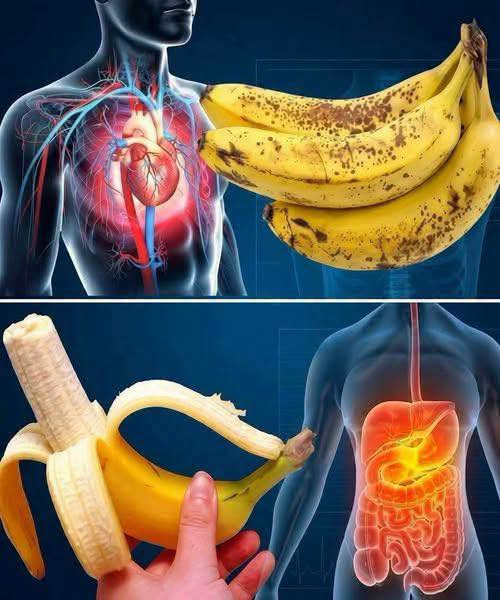
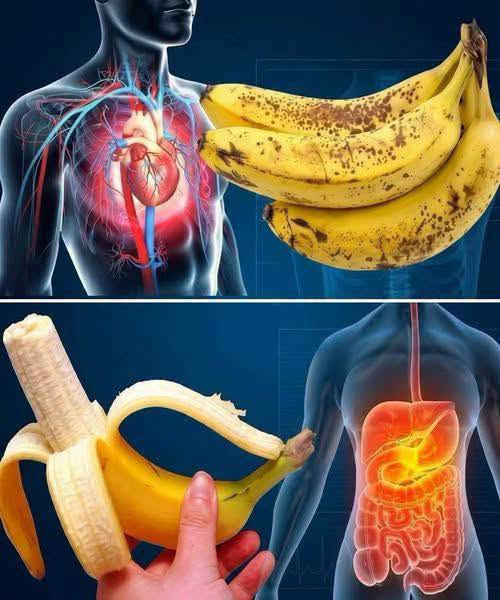
Did You Know That Eating Bananas Increases… What Science Says About Their Effects on Your Body
The second major area where bananas exert their influence is the digestive tract. Bananas are gentle on the gastrointestinal system and offer several benefits for digestion.
Fiber and Regularity
A medium banana contains about three grams of fiber, which is nearly 10 percent of the daily recommended value. This fiber is a mix of soluble and insoluble types, both of which are important for digestive health. Insoluble fiber adds bulk to stool and helps keep bowel movements regular, while soluble fiber slows digestion and can help manage cholesterol levels. This fiber content can provide a longer feeling of fullness between meals and aid in digesting food.
Prebiotic Effects and Gut Bacteria
Bananas contain a unique type of carbohydrate that is digested further down in the lower intestines, where it serves as food for beneficial gut bacteria. This makes bananas a potential prebiotic food. A randomized controlled trial found that daily banana consumption was well-tolerated and may induce an increase in beneficial bifidobacteria in healthy women. The study also noted significantly lower bloating levels in the banana group compared to controls.
Protection for the Stomach Lining
Bananas are often included in bland diets recommended for people with ulcers, heartburn, GERD, nausea, or recovering from stomach surgery. This is because they are soft, easy to digest, and low in acid. Some research suggests that bananas contain compounds that can limit the growth of Helicobacter pylori, the bacterium responsible for many ulcers, and increase mucus production to protect the stomach lining. The “B” in the BRAT diet (Bananas, Rice, Applesauce, Toast) stands for banana, a testament to its reputation as a gentle food for upset stomachs.
Are There Any Downsides?
While bananas are generally safe and healthy, the viral framing of “what happens when you eat bananas” sometimes implies universal effects that do not apply to everyone. It is important to recognize that individual responses vary, and certain populations should be mindful of their intake.
Potassium Concerns for Specific Groups
For most people, the potassium in bananas is beneficial. However, individuals with kidney disease may need to limit potassium intake because their kidneys cannot effectively remove excess potassium from the blood. This is a medical consideration that should be discussed with a healthcare provider, not a reason for the general public to avoid bananas.
Blood Sugar Considerations
Bananas contain natural sugars, and their ripeness affects how quickly those sugars are released. Green bananas are high in resistant starch, a type of fiber that slows glucose release and helps steady blood sugar. As bananas ripen, this starch converts to sugar, which can cause a more rapid spike in blood glucose. People with diabetes may want to consider slightly underripe bananas or pair them with protein to blunt the blood sugar response.
Conclusion: A Fruit Worth Embracing
The internet often reduces complex nutritional science to alarming headlines, but the evidence on bananas is remarkably consistent. For the vast majority of people, eating bananas supports heart health by providing potassium that helps regulate blood pressure and may improve vascular function. It also supports digestion through fiber that promotes regularity and carbohydrates that feed beneficial gut bacteria. The effects are not dramatic or immediate, but they are real and accumulate over time as part of a balanced diet.
Bananas are not a cure-all, and they are not dangerous for healthy individuals. They are simply a nutritious, convenient food that happens to be particularly well-suited to supporting two vital systems: the cardiovascular system and the digestive tract. Whether eaten as a quick snack, sliced into cereal, or blended into a smoothie, the banana remains one of nature’s most practical and beneficial fruits.
Frequently Asked Questions
Do bananas increase potassium levels immediately?
Bananas provide a dose of potassium with each serving, but the effect on blood pressure and heart health is cumulative and depends on overall dietary patterns. A single banana will not dramatically change your potassium levels, but regular consumption contributes to meeting daily needs.
Can bananas cause heart palpitations?
There is no evidence that bananas cause heart palpitations in healthy individuals. In fact, adequate potassium is necessary for normal heart rhythm. However, people with kidney disease who cannot regulate potassium levels should follow medical advice regarding intake.
Are bananas good for an upset stomach?
Yes, bananas are commonly recommended as part of a bland diet for nausea, diarrhea, and stomach upset. They are easy to digest and gentle on the stomach lining.
Do bananas help with constipation or diarrhea?
Bananas contain fiber that can help with regularity, but they are more commonly recommended for diarrhea as part of the BRAT diet. For constipation, the fiber in bananas can contribute to bulk, but adequate water intake is also essential.
Is it safe to eat bananas every day?
For most healthy people, eating one or two bananas daily is safe and nutritious. Those with kidney conditions or specific medical advice to limit potassium should consult their healthcare provider.