Does Unplugging Appliances Actually Save Electricity? The Truth About Vampire Power
The question of whether unplugging appliances truly saves electricity is one that divides households. One partner insists that pulling the plug after every use is a money-saving habit, while the other suspects it makes little difference and is simply an inconvenience. The debate is common, and the answer is more nuanced than a simple yes or no. Unplugging appliances does save energy, but the amount saved varies dramatically depending on the device, and the effort involved may not always justify the reward.
Understanding the science behind “vampire power,” also known as standby power or phantom load, is the key to settling this household debate. By examining which devices consume energy even when switched off, how much that energy costs, and what practical steps offer the best return, it becomes clear where the truth lies between the two perspectives.
What Is Vampire Power?
Vampire power refers to the electricity that electronic devices draw from the outlet even when they are turned off or in standby mode. This happens because many modern appliances are not truly “off” when you press the power button. Instead, they enter a low-power state that allows them to respond quickly to remote controls, maintain internal clocks, display indicator lights, or stay connected to Wi-Fi networks.
The U.S. Department of Energy estimates that standby power can account for anywhere from five to ten percent of a typical household’s electricity use. While this may sound small, it translates to a meaningful amount of money over the course of a year. The Natural Resources Defense Council has estimated that American households spend billions of dollars annually on electricity consumed by devices that are not actively being used.
The Culprits: Which Devices Drain Power When Off?
Not all appliances are created equal when it comes to standby consumption. Some draw a negligible amount of power, while others are surprisingly hungry.
Devices with digital clocks or displays are classic examples. A microwave with a glowing clock, a coffee maker with a timer, or a cable box with a digital readout all consume power continuously to keep those features running. Cable boxes and DVRs are among the worst offenders, sometimes drawing as much power in standby as they do when active, because they need to remain connected to receive updates and record scheduled programs.
Smart devices and those with network connections are also significant contributors. Smart TVs, streaming sticks, smart speakers, and gaming consoles often maintain an internet connection even in standby mode so they can respond to voice commands or download updates. This constant connectivity comes at a cost.
Chargers and power adapters are another category. A phone charger plugged into the wall but not connected to a phone can still draw a small amount of power, though this is typically very low. Laptop chargers left plugged in after the battery is full may also continue to draw a trickle of electricity.
The Devices That Make Little Difference
On the other hand, many household appliances draw virtually no power when switched off. A simple lamp, a fan, or a standard toaster without a digital clock does not consume electricity when its switch is in the “off” position. Unplugging these items provides no meaningful energy savings. Similarly, small kitchen appliances like a basic blender or a hand mixer are not known for significant standby consumption.
This is where the debate often originates. If one person unplugs every single item in the house, including those that draw no standby power, the effort can seem pointless to an observer. The key is to identify the devices that actually matter.
The Financial Reality: How Much Can You Actually Save?
The savings from unplugging appliances are real but often overstated in casual conversation. The exact amount depends on the number of devices, their standby power draw, and the local cost of electricity.
To put it in perspective, consider a device that draws one watt of standby power. Over a year, that device would consume roughly 8.76 kilowatt-hours of electricity. At an average U.S. electricity rate, that amounts to a little over a dollar per year. A single device drawing one watt is not going to make a noticeable difference in a monthly bill.
However, when you add up all the devices in a typical home—several chargers, a smart TV, a gaming console, a cable box, a microwave clock, and a few smart speakers—the total can accumulate. A household with a dozen or more devices drawing standby power could see savings in the range of tens of dollars per year if all of them were unplugged when not in use.
The potential savings become more significant for high-consumption devices. A gaming console in “instant on” mode or an older cable box can draw fifteen to twenty watts or more. Unplugging or using a power strip to cut power to a home entertainment center can yield more noticeable savings.
The Case of the Cable Box
The cable box is a perfect example of a device where the effort of unplugging can be worthwhile. Older cable boxes have been shown to consume as much energy in standby as a refrigerator in some cases, because they are designed to stay fully operational to receive updates and program guides. However, unplugging a cable box every night can be inconvenient, as it may need time to reboot and reacquire a signal. A better solution is to use a smart power strip or to check if the box has a more efficient sleep setting.
The Practical and Safety Benefits Beyond Savings
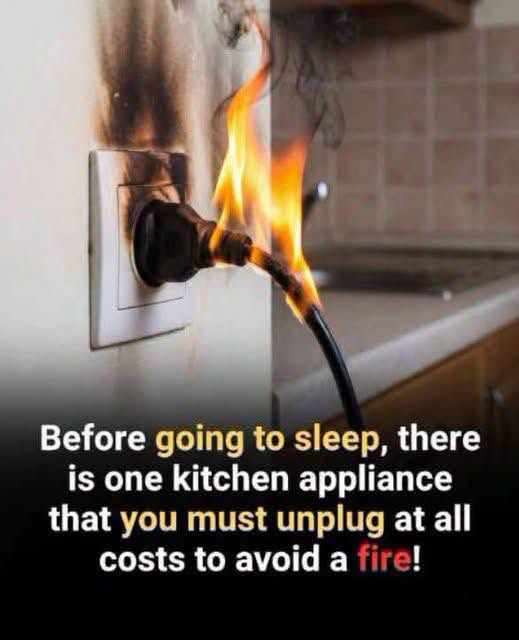
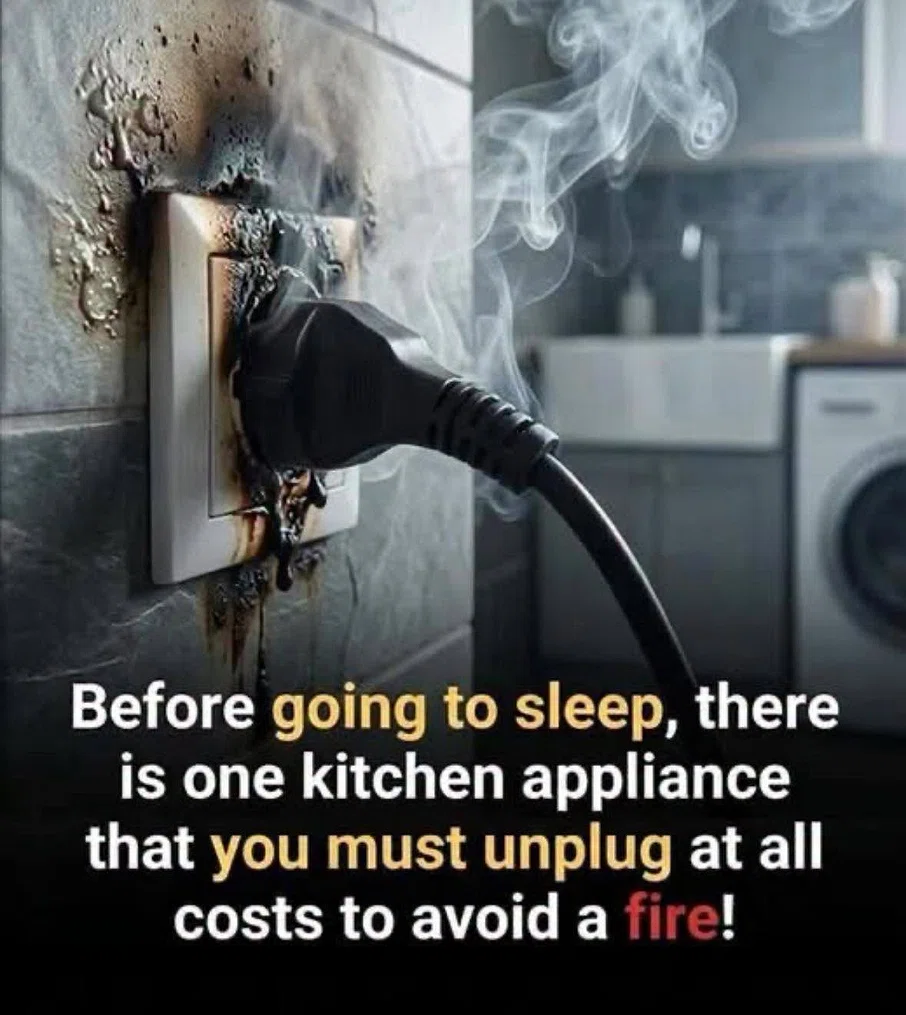
While the monetary savings from unplugging appliances are modest for most households, there are other compelling reasons to do it. One of the most significant is fire safety. As discussed in fire safety guidance, leaving heat-producing appliances like toasters and air fryers plugged in overnight creates a small but real risk of an electrical fault or accidental activation. Unplugging them eliminates that risk entirely.
There is also the benefit of equipment longevity. Electronics that are protected from power surges when unplugged are less likely to be damaged during a storm. This is a protective measure that can save the cost of replacing a device.
For those concerned about environmental impact, reducing standby power is a way to lower overall energy consumption, even if the individual financial savings are small. Every bit of reduced demand contributes to a lower carbon footprint.
The Best Approach: Smart Power Strips
The debate between unplugging every appliance and leaving everything connected misses the most practical solution: smart power strips. These devices detect when appliances are in standby mode and automatically cut power to them, or they allow you to switch off a group of devices with a single button.
Using a power strip for a home entertainment center—with the TV, console, and streaming devices all connected—allows you to eliminate standby power draw with one simple action. Similarly, a power strip in the kitchen can group the coffee maker, toaster, and microwave, making it easy to cut power to all of them at night. This approach captures the savings and safety benefits of unplugging without the daily hassle of pulling individual cords.
Conclusion
The debate in the household is settled by nuance. Unplugging appliances does save electricity, but the amount is often smaller than people imagine, and it varies greatly depending on the device. The biggest energy drains are not simple lamps or toasters but electronics with digital clocks, network connections, and constant standby functions—especially cable boxes, gaming consoles, and smart TVs. Unplugging these devices, or using a power strip to cut their power, offers the most meaningful savings.
For devices that draw no standby power, unplugging is unnecessary for energy savings, though it may still be beneficial for safety. The most effective approach is not to unplug everything indiscriminately, but to identify the devices that matter most and use smart power strips to make the process easy and consistent. This way, the household can enjoy real savings, improved safety, and peace of mind without turning every outlet into a daily chore.
Frequently Asked Questions
Does unplugging appliances really save electricity?
Yes, but the amount varies. Devices with digital displays, clocks, or network connections draw standby power even when off. Unplugging them saves energy. Devices without these features typically draw no power when switched off, so unplugging them provides no savings.
Which appliances use the most electricity when turned off?
Cable boxes, DVRs, gaming consoles, smart TVs, and devices with digital clocks or network connectivity are among the biggest consumers of standby power. Older cable boxes can be particularly inefficient.
How much money can I save by unplugging appliances?
For most households, the savings are modest—likely in the range of tens of dollars per year—unless you have many high-consumption devices. The savings are real but rarely dramatic.
Is it worth unplugging my phone charger?
Phone chargers draw very little power when not connected to a phone. Unplugging them provides negligible savings. The habit is more about safety and avoiding clutter than about energy conservation.
What is the best way to reduce standby power?
Use smart power strips to group devices and cut power to them with a single switch. This is more convenient than unplugging individual cords and can eliminate standby draw from entire entertainment centers or kitchen appliance groups.