Here’s What Happens to Your Body When You Drink Water on an Empty Stomach
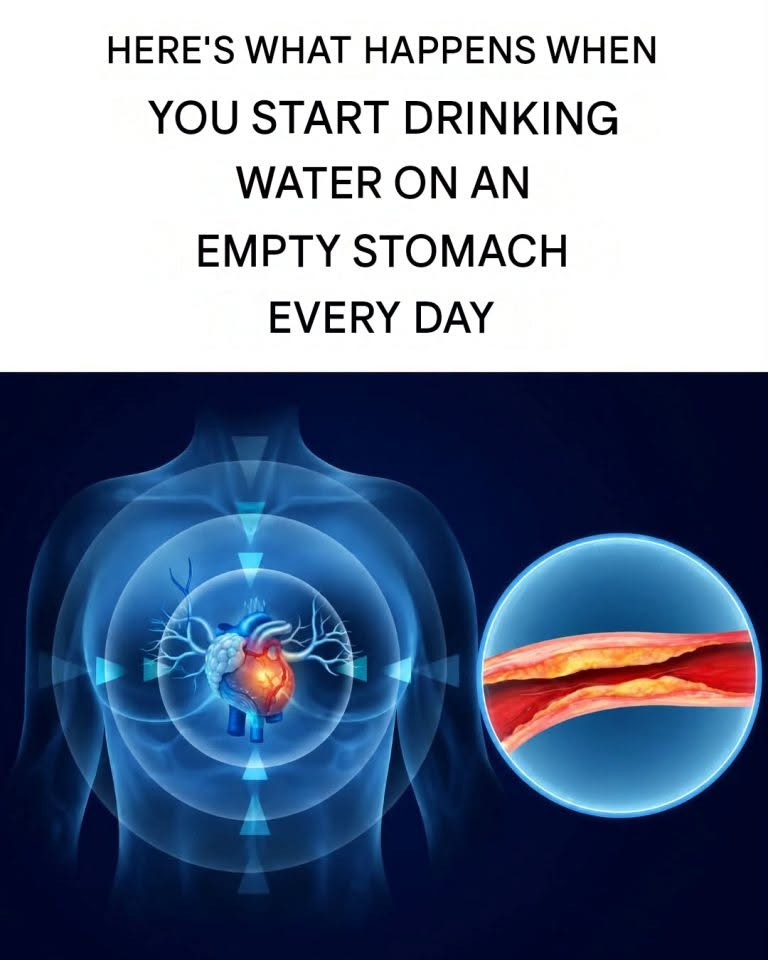
The image presents a familiar wellness claim: drinking water on an empty stomach triggers a cascade of benefits, from improved circulation to a healthier heart and clearer arteries. The glowing heart and the inset of a narrowed blood vessel suggest that this simple morning habit can influence cardiovascular health in a profound way.
The scientific reality is more measured. Drinking water on an empty stomach is a safe and sensible way to start the day, and it does support normal bodily functions. However, the specific timing—first thing in the morning, before eating—does not appear to unlock unique health benefits that water consumed at other times of day cannot provide. The most reliable evidence points to modest effects on metabolism and bowel function, rather than dramatic changes to arteries or the heart.
The Modest Metabolic Effect
One of the most frequently cited claims is that drinking water on an empty stomach boosts metabolism. There is a kernel of truth here. When you drink water, your body expends a small amount of energy warming the fluid to body temperature and activating the sympathetic nervous system. This process, known as water-induced thermogenesis, can temporarily increase calorie burn.
Small clinical trials have suggested that drinking 500 milliliters of water on an empty stomach in the morning can boost calorie burn by up to 30 percent for about an hour . However, the total effect is minimal. The extra calories burned from two glasses of water amount to roughly 24 calories . This is not a meaningful contribution to weight loss on its own, and there is no evidence that the effect is stronger in the morning than at any other time of day .
The Bowel Function Connection
The evidence for a digestive benefit is somewhat stronger. Adequate hydration is important for maintaining normal bowel function, and drinking water can help prevent constipation. A 2026 study published in Translational Gastroenterology and Hepatology examined the effects of rapid, high-volume water intake on an empty stomach in patients with functional constipation. Participants who drank up to 1.5 liters of warm water within 20 to 30 minutes each morning experienced a significant increase in weekly spontaneous bowel movements, with 83.9 percent achieving at least three per week .
This finding is specific to people with constipation and involves a large volume of water consumed quickly. It does not mean that a single glass of water on an empty stomach will transform digestion for everyone. But it does support the general principle that hydration is important for bowel regularity.
What About the Heart and Arteries?
The image’s emphasis on the heart and a narrowed artery suggests a connection to cardiovascular health. There is no direct evidence that drinking water on an empty stomach clears arteries or prevents heart disease. The association likely stems from the general importance of hydration for overall health. Water is essential for maintaining blood volume, regulating blood pressure, and supporting kidney function . But these are benefits of adequate hydration in general, not of the specific timing of water intake.
A structured review published in the International Journal of Advances in Nursing Management concluded that while adequate hydration contributes to physiological homeostasis, there is no high-quality evidence that early morning water therapy cures chronic diseases such as hypertension or diabetes . The same review noted that early morning water intake is a safe practice for most healthy adults and may improve hydration status and bowel regularity, but unsupported therapeutic claims should be discouraged .
Does the Time of Day Matter?
The honest answer is that it probably matters less than the viral framing suggests. Healthline’s analysis of the evidence notes that no research supports added benefits from drinking water on an empty stomach or at a specific time of day. The body’s thirst cues are typically the best guide for staying hydrated, and as long as you drink water when you feel thirsty and replace what your body loses, you will get the benefits of hydration regardless of timing .
That said, there is no harm in the habit. For many people, drinking a glass of water upon waking is a convenient way to begin rehydrating after a night of sleep. It is a simple, low-cost practice that fits easily into a morning routine. The key is to avoid overstating what it can do.
What the “Japanese Water Therapy” Claims Get Wrong
The viral post may also draw on the popularity of “Japanese water therapy,” which involves drinking several glasses of room-temperature water on an empty stomach immediately upon waking. Proponents claim it can treat conditions ranging from constipation and high blood pressure to type 2 diabetes and cancer.
Healthline’s review of this practice is clear: many of these claims have been exaggerated or are not supported by science. There is no evidence that Japanese water therapy can treat or cure type 2 diabetes or cancer . While drinking more water may bring general health benefits, the specific protocol and its sweeping claims are not evidence-based.
A Safe and Sensible Approach
If you want to incorporate morning water into your routine, the sensible approach is straightforward. Drink one to two glasses of water upon waking if it feels comfortable. Continue to drink water throughout the day, using thirst as your primary guide. If you have kidney disease or a condition that requires fluid restriction, consult your healthcare provider about the appropriate amount.
Do not expect water on an empty stomach to replace medical treatment for cardiovascular disease, diabetes, or any other chronic condition. It is a healthy habit, not a therapy.
Conclusion
Drinking water on an empty stomach is a safe, simple practice that can support hydration and, in some cases, bowel regularity. The evidence for a metabolic boost is real but very modest, and there is no reliable evidence that the timing of water intake transforms heart health or clears arteries. The viral claim that this habit has a “powerful effect” on the body overstates the science. Water is essential for health, but its benefits come from adequate hydration overall—not from the clock on the wall when you take your first sip.
Frequently Asked Questions
Does drinking water on an empty stomach boost metabolism?
Yes, but only slightly. Water-induced thermogenesis can temporarily increase calorie burn, but the total effect is small—about 24 extra calories for two glasses of water. There is no evidence that the effect is stronger in the morning than at other times .
Can drinking water on an empty stomach help with constipation?
There is some evidence that rapid, high-volume water intake on an empty stomach can improve bowel function in people with constipation. A 2026 study found significant improvements in bowel movement frequency with this approach . However, a single glass of water may not have the same effect.
Does drinking water on an empty stomach help the heart?
There is no direct evidence that drinking water on an empty stomach clears arteries or prevents heart disease. Adequate hydration in general supports cardiovascular health by maintaining blood volume and blood pressure, but the timing of intake is not a proven factor .
Is it better to drink water before or after brushing teeth?
The viral “Japanese water therapy” suggests drinking water before brushing teeth, but there is no scientific evidence that this order matters for health. The important thing is to drink enough water overall .
When is the best time to drink water?
The best guide is your thirst. As long as you drink water when you feel thirsty and replace what your body loses, you will get the benefits of hydration regardless of timing. There is no robust evidence that a specific time of day offers unique advantages .