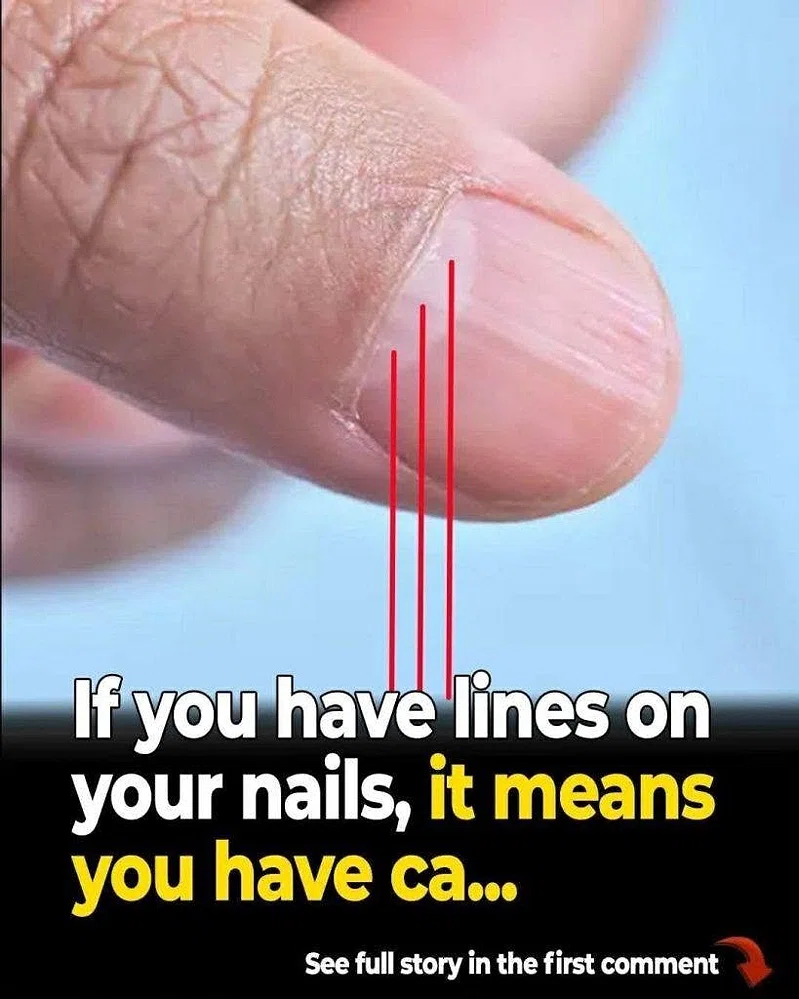
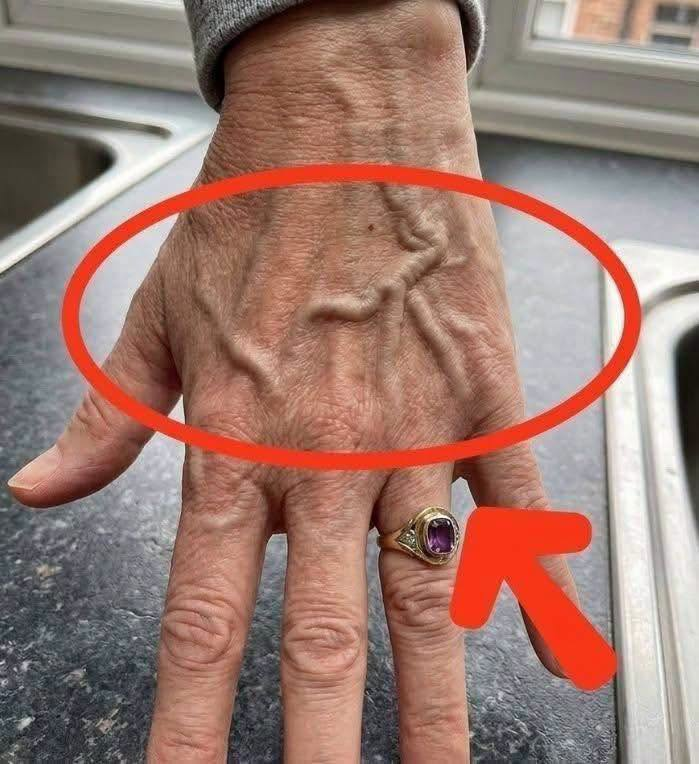
If You Have These Vertical Lines on Your Nails After 40, It’s a Clear Sign of… What the Viral Post Gets Wrong
The viral framing uses a common and harmless feature—age-related vertical ridges—to create anxiety and drive engagement. By pairing it with an incomplete sentence and a dramatic claim, the post implies a medical urgency that does not exist. The white spots are similarly benign in most cases. For anyone over 40 who notices these changes, the appropriate response is not alarm but simple awareness: these are ordinary features of aging and minor trauma, not a “clear sign” of disease. If you are concerned about a specific nail change—particularly a new dark band, a horizontal groove, or a change in color or shape—a dermatologist can provide clarity.
Frequently Asked Questions
Do vertical lines on nails after 40 mean I have a disease?
No. Vertical ridges are a common, harmless age-related change. The Mayo Clinic states they are “nothing to worry about” and are simply part of normal aging .
What causes the white spots on the nails?
Most white spots are caused by minor trauma to the nail matrix, such as a bump or knock. They grow out with the nail and are not a sign of nutritional deficiency in most cases .
Can I get rid of vertical nail ridges?
The ridges cannot be eliminated, as they are a structural change related to aging. Moisturizing the nails and cuticles can make them less noticeable, and a buffer can temporarily smooth the surface, but they are not a medical problem requiring treatment.
When should I see a doctor about my nails?
See a doctor if you notice horizontal ridges, a new or widening dark band, changes in nail color, thickening, or separation of the nail from the nail bed .
Are white spots on nails a sign of calcium or zinc deficiency?
Not typically. Isolated white spots are usually due to minor trauma. While severe nutritional deficiencies can affect nail health, the common white spots that appear and grow out are not a reliable sign of a deficiency .