The Baking Soda Fat-Burning Myth: Why This Viral Trend Is Dangerous and What Actually Works
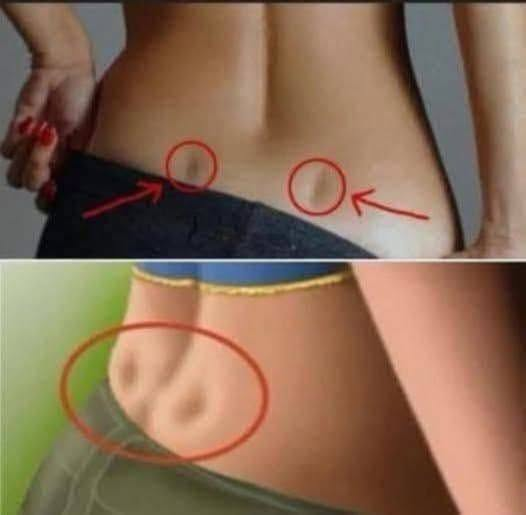
The reality is that this claim is entirely false and potentially dangerous. There is no scientific evidence that baking soda—sodium bicarbonate—can burn fat or cause targeted weight loss. In fact, consuming baking soda in the quantities suggested by these viral trends can lead to serious health complications. The “before and after” images are almost always the result of digital manipulation, changes in posture, or simply different lighting and clothing. Understanding why this myth persists, the real risks of ingesting baking soda for weight loss, and the evidence-based strategies that actually work is essential for protecting your health and achieving sustainable results.
The Science (and Pseudoscience) Behind the Claim
The baking soda fat-burning myth is rooted in a fundamental misunderstanding of human metabolism and chemistry. Proponents often claim that baking soda “alkalizes” the body, creating an environment where fat can be burned more efficiently, or that it acts as a “detox” agent. Neither claim holds up to scientific scrutiny.
The pH Myth
The human body tightly regulates its blood pH within a very narrow range (around 7.35 to 7.45). This is a tightly controlled system, and no food or drink can significantly alter it. If blood pH moves outside this range, it is a medical emergency, not a pathway to weight loss. Drinking baking soda does not “alkalize” your body in a way that promotes fat burning. In fact, consuming large amounts of baking soda can disrupt this delicate balance, leading to a condition called metabolic alkalosis, which can cause nausea, vomiting, confusion, and even seizures.