The Truth About Finding a Garter Snake Inside Your Home
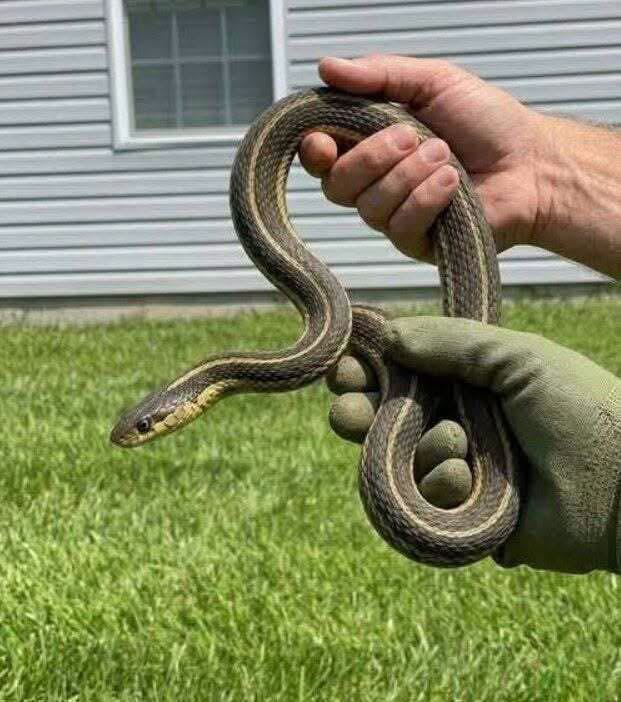
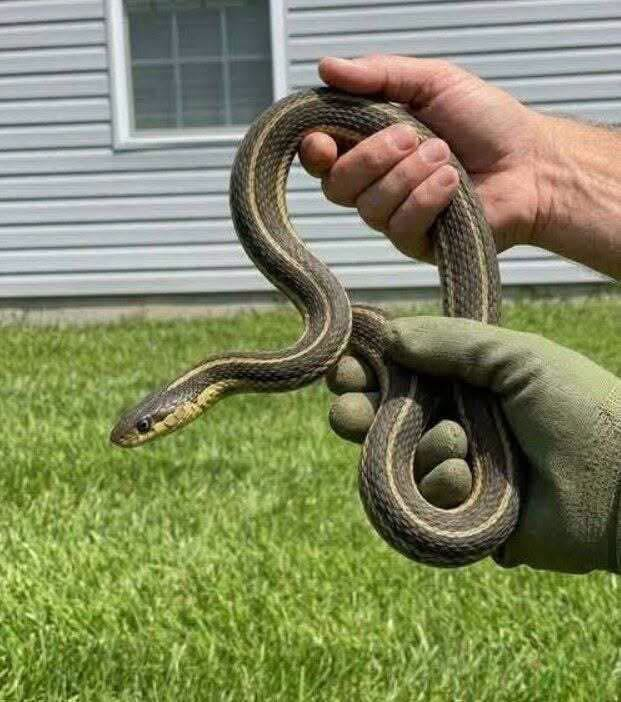
Spotting a slender, striped snake gliding across your floor or resting near a doorway can trigger an immediate surge of alarm. The image of a person holding a garter snake outside a home often circulates online with captions suggesting that the creature’s presence carries a hidden message or a warning about your property. The snake in the photograph is a garter snake, easily recognized by the distinct longitudinal stripes running down its body—one down the center of the back and one along each side . These reptiles are among the most common snakes in North America and are frequently encountered in residential areas.
The truth behind a garter snake entering your home is far less mystical than viral posts imply, but it is no less important. Understanding why these animals seek shelter indoors, what their presence actually indicates about your home environment, and how to respond safely transforms a frightening encounter into a manageable situation. This guide explores the biological realities of garter snakes, the practical reasons they end up inside houses, and the appropriate steps to take when one appears.
Identifying the Garter Snake
Before addressing the meaning of the encounter, it helps to confirm what you are dealing with. Garter snakes belong to the genus Thamnophis and are characterized by their distinctive striped pattern. The stripes are typically cream, yellow, or orange, though some individuals may display blue or green hues . The ground color of the snake can range from black and brown to olive or gray, and many garter snakes feature a checkerboard pattern of dark spots between the stripes .
Physical Characteristics and Behavior
Adult garter snakes are generally medium-sized, with common species reaching lengths of around 18 to 26 inches, though larger individuals can exceed three feet . Their scales are keeled, giving them a slightly rough texture. When handled or threatened, garter snakes may release a foul-smelling musk as a defense mechanism, and they can bite if provoked, though their bites are generally harmless to humans .
Crucially, garter snakes are non-venomous in the sense that they lack fangs and cannot inject venom in the way a rattlesnake or copperhead does. They do possess mildly toxic saliva that can cause minor irritation in sensitive individuals, but they are not considered dangerous . This distinction is vital for anyone who finds one indoors.
Why Garter Snakes Enter Homes
The presence of a garter snake inside a house is almost never a random event. These animals enter buildings in search of specific resources: food, warmth, and shelter. Understanding these motivations helps explain what their appearance might indicate about your property.
Seeking Food Sources
Like all snakes, garter snakes are predators. Their diet consists primarily of earthworms, slugs, amphibians, and small rodents like mice and shrews . If a garter snake has found its way into your basement or crawl space, it is often because it is following a food trail. An abundance of insects, rodents, or other small prey in or around your home creates an attractive hunting ground for these reptiles . In this sense, the snake’s presence may indirectly signal a pest problem that warrants attention.
Searching for Shelter and Warmth
Garter snakes are ectothermic, meaning they rely on external sources of heat to regulate their body temperature. During transitional seasons—particularly in autumn as temperatures drop—snakes seek out warm, sheltered locations to brumate (the reptile equivalent of hibernation). Older homes with foundation cracks, gaps around pipes, or unfinished basements provide ideal access to the stable temperatures below the frost line .
This seasonal behavior is well-documented. Wildlife experts note that it is not unusual for garter snakes to enter homes in large numbers during this period, as they seek refuge from the coming cold . A single snake found in a basement in October is likely an early arrival scouting for a suitable overwintering site.
Access Through Small Openings
Garter snakes are remarkably adept at squeezing through narrow gaps. They can enter through cracks in foundations, gaps under doors, openings around utility lines, and even tears in window screens . If a snake has gained access, it is a practical indication that your home has entry points that could also admit other pests or drafts.
Cultural Symbolism: What Does a Snake in the House Mean?
Across cultures and throughout history, snakes have carried profound symbolic weight. While these interpretations are not scientific, they offer context for why the sighting of a snake feels significant to so many people.
Positive Interpretations
In several traditions, a snake entering a home is viewed as a favorable omen. In some Eastern European folklore, particularly among Slavic peoples, the serpent is considered a protector of the household. It is believed that if a snake settles in a home, it will bring happiness and prosperity to its inhabitants . Similarly, in some New Age and spiritual circles, snakes are associated with transformation, healing, and new beginnings, and their appearance may be interpreted as an invitation to embrace change .