Bitten by a Snake While Turkey Hunting: What to Do and How to Identify a Southern Black Racer
A snake bite in the field is a moment of sudden alarm. You are focused on the hunt, moving through brush or tall grass, and then you feel it—a sharp sting, a flash of movement, and a snake disappearing into the undergrowth. The immediate questions are always the same: Is it venomous? What do I do now? How serious is this?
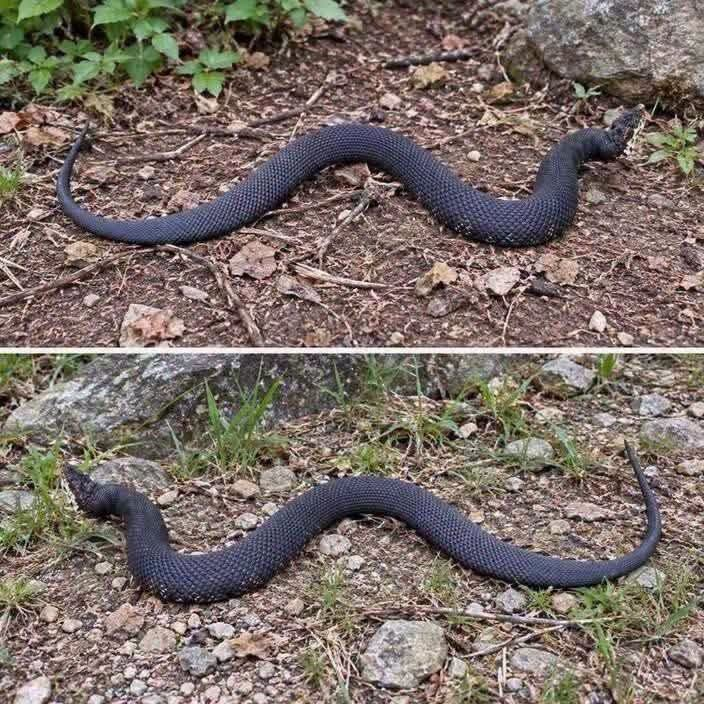
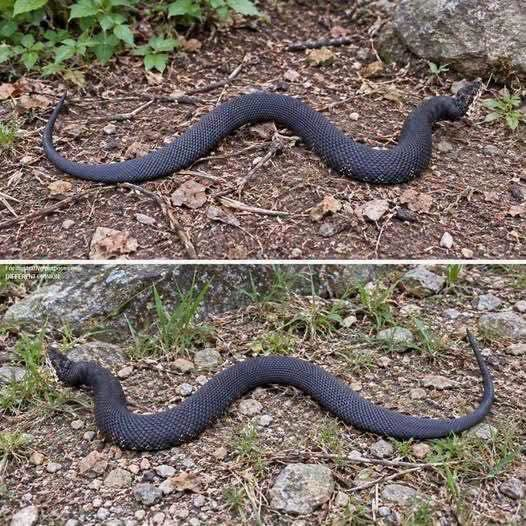
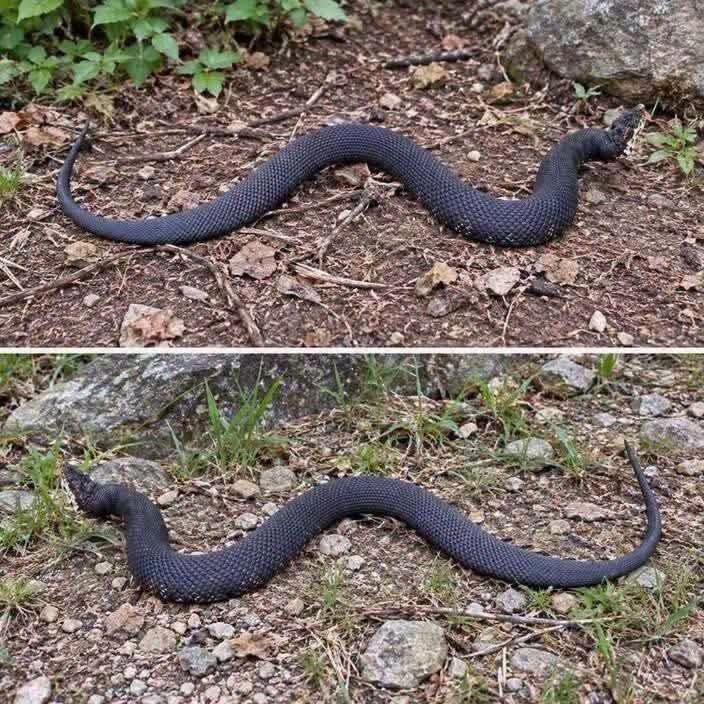
The photograph you shared shows a long, slender, uniformly black snake with smooth scales and a slightly lighter underside. Based on its appearance and the context of a southern turkey hunt, the most likely identification is a Southern Black Racer (Coluber constrictor priapus), a common and non-venomous species found across the southeastern United States. While any bite warrants attention, understanding what this snake is, why it bites, and how to care for the wound can turn a frightening moment into a manageable one.
Identifying the Southern Black Racer
The Southern Black Racer is a subspecies of the North American racer. It is known for its speed, its slender build, and its solid black coloration. Adults are typically between 20 and 60 inches long, though some can grow larger. Their scales are smooth and shiny, giving them a sleek, almost polished appearance in sunlight.
Key Physical Features
Color: Uniformly black on the back and sides, with a lighter, often whitish or grayish chin and throat.
Scales: Smooth, not keeled, which distinguishes them from some other black snakes like the black rat snake, which has weakly keeled scales.
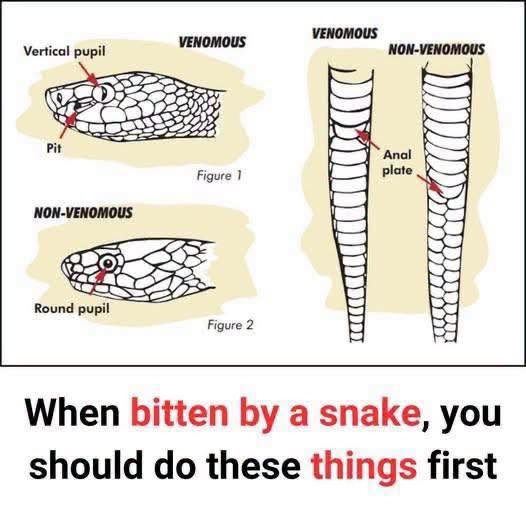
Head: Slightly wider than the neck, with large eyes and round pupils—a characteristic of non-venomous snakes in the region.
Belly: The underside is typically a lighter color, ranging from white to pale gray or yellowish.
Behavior and Habitat
Black racers are diurnal, meaning they are active during the day, which aligns with a turkey hunt. They are incredibly fast and are often seen fleeing across roads or through fields. They are not aggressive by nature and will usually retreat if given the chance. However, if cornered, handled, or accidentally stepped on, they will defend themselves by biting.
They are found in a variety of habitats, including woodlands, fields, brushy areas, and near water. Their diet consists of insects, frogs, lizards, small rodents, and birds—which is why they are often found in areas where turkey and other game birds are present.
Why the Bite Happened
Snakes do not bite humans out of malice. A bite from a black racer is almost always a defensive reaction. You may have inadvertently stepped near it, reached into its hiding spot, or cornered it without realizing. The snake perceived you as a threat and acted on instinct.
The Nature of the Bite
A non-venomous snake bite is essentially a series of small puncture wounds. The snake’s teeth are designed for gripping prey, not for injecting venom. The bite can still be painful, and it can cause bleeding, but it does not deliver toxins. The primary risks are:
Bacterial infection: A snake’s mouth contains bacteria, and any puncture wound can become infected if not cleaned properly.
Allergic reaction: While rare, some people can be allergic to snake saliva or the proteins in the bite.
Mechanical damage: The teeth can cause small lacerations, and the force of the bite can bruise the tissue.
Immediate First Aid for a Non-Venomous Snake Bite
If you are certain the snake is non-venomous—and the visual evidence in your photo strongly supports that—the following steps are recommended:
Stay calm and move away from the snake. Do not attempt to catch or kill it. This prevents further bites and allows you to focus on your own care.
Wash the wound thoroughly. Use soap and clean water. This is the single most important step to reduce the risk of infection. If you have a first-aid kit, use an antiseptic wipe or solution.
Apply pressure to stop any bleeding. Use a clean cloth or bandage. The bleeding from a non-venomous bite is usually minor and stops on its own.
Cover the wound. Apply a sterile bandage or clean dressing to protect the area from dirt and bacteria.
Monitor for signs of infection. Over the next 24 to 48 hours, watch for increasing redness, swelling, warmth, pain, or pus. If these occur, see a doctor.
Check your tetanus status. If your tetanus vaccination is not up to date, contact your healthcare provider. A tetanus booster may be recommended for any puncture wound.
What NOT to Do
Do not cut the wound or try to suck out venom. This is a myth and can cause further damage. It is also unnecessary for a non-venomous bite.
Do not apply a tourniquet. This is only for life-threatening bleeding and can cause tissue damage.
Do not ignore the wound. Even a minor bite can become infected if left untreated.
When to Seek Medical Attention
While a black racer bite is not life-threatening, there are situations where medical care is necessary:
If you are unsure of the snake’s identity. If there is any doubt, treat it as a venomous bite and seek emergency care immediately. It is always better to be safe.
If you experience symptoms of an allergic reaction: difficulty breathing, swelling of the face or throat, hives, or dizziness.
If the wound shows signs of infection: increasing redness, swelling, pus, or fever.
If the bite is on a joint or a sensitive area and causes significant pain or loss of function.
For a confirmed non-venomous bite with no complications, home care is usually sufficient. However, if you have any concerns, a quick visit to an urgent care clinic or your primary care provider is a reasonable precaution.
The Importance of Accurate Identification
The viral nature of snake bite photos often leads to misinformation. Many people mistake non-venomous snakes for venomous ones, or vice versa. The Southern Black Racer is frequently confused with the Black Rat Snake (which is also non-venomous) and, in some regions, with the Cottonmouth (which is venomous, but has a very different appearance and habitat).
Distinguishing Features
Feature
Southern Black Racer
Cottonmouth (Venomous)
Color
Solid black with white chin
Dark brown/black with banding (often hidden)
Head
Narrow, rounded
Broad, triangular, blocky
Pupils
Round
Vertical slits
Behavior
Flees quickly
Often holds ground, opens mouth to display white interior
Habitat
Dry, upland areas
Aquatic, near water
The snake in your photo has the classic slender build, smooth scales, and uniform black coloration of a racer. It lacks the heavy body and broad head of a cottonmouth. This visual evidence, combined with the setting of a turkey hunt in a woodland or field, points strongly to a non-venomous racer.
Conclusion: A Frightening but Manageable Encounter
Being bitten by a snake is an unsettling experience, but the Southern Black Racer is a harmless species that was simply defending itself. The bite is not venomous, and with proper wound care, the risk of complications is low. The most important actions are to clean the wound thoroughly, monitor for infection, and ensure your tetanus vaccination is current. If you have any doubt about the snake’s identity or experience any unusual symptoms, seek medical attention. The encounter is a reminder of the wildlife we share our outdoor spaces with—and a lesson in the value of quick thinking and calm response.
Frequently Asked Questions
Is the Southern Black Racer venomous?
No. The Southern Black Racer is a non-venomous snake. Its bite can be painful and may cause minor bleeding, but it does not inject venom.
What should I do after being bitten by a black racer?
Wash the wound thoroughly with soap and water, apply an antiseptic, and cover it with a clean bandage. Monitor for signs of infection and check your tetanus vaccination status.
When should I go to the hospital for a snake bite?
If you are unsure of the snake’s identity, experience symptoms of an allergic reaction, or see signs of infection (increasing redness, swelling, pus, fever), seek medical attention. For a confirmed non-venomous bite without complications, home care is usually sufficient.
Do black racers chase people?
No. Black racers are fast and may move quickly, but they do not chase people. They are more likely to flee than to attack. Bites usually occur when the snake is cornered or handled.
Are black racers aggressive?
They are not aggressive by nature. They are defensive and will bite if threatened, but they prefer to escape. Their speed and tendency to flee make them less likely to be encountered in a confrontational way.