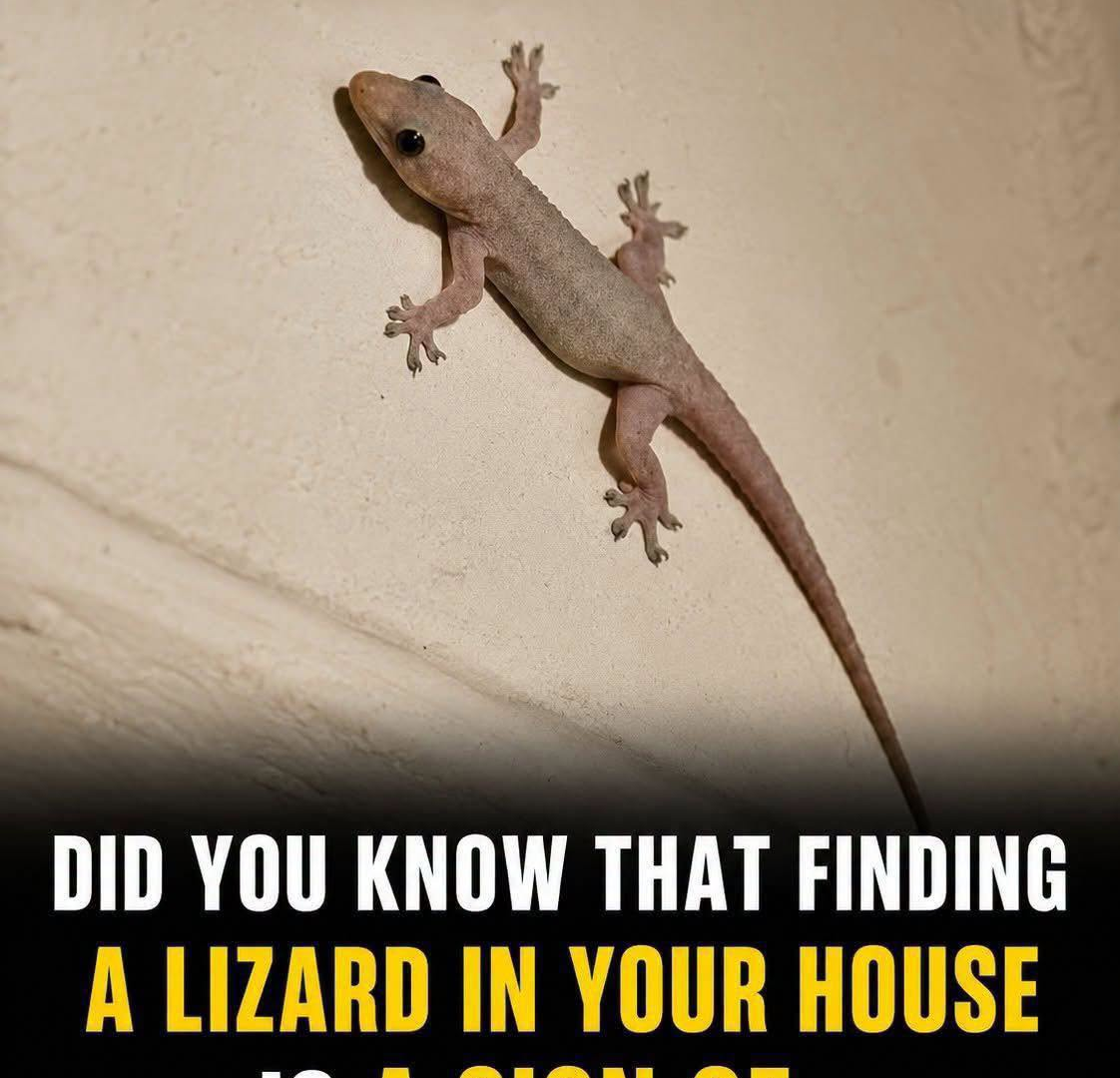
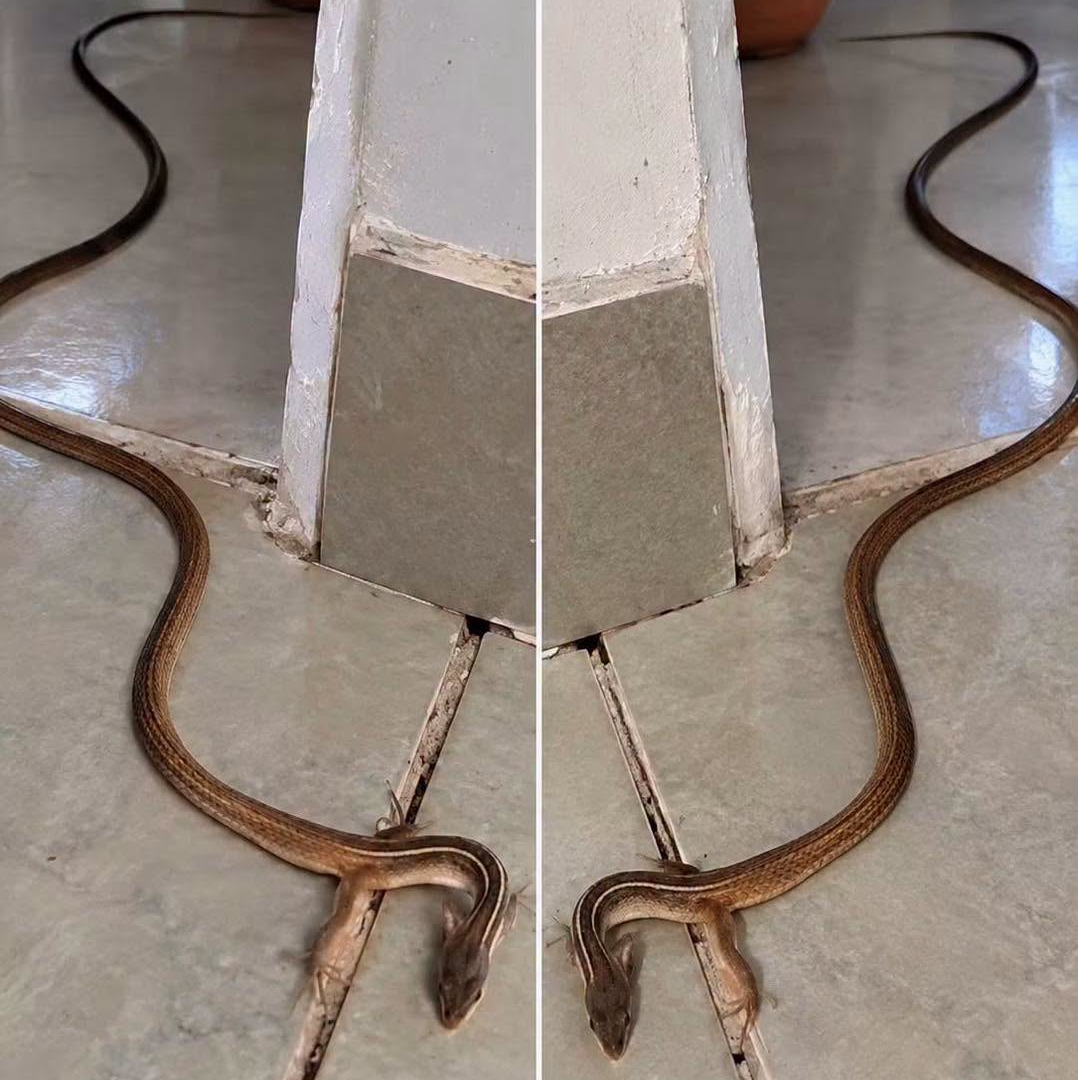
When This Snake Enters Your House, It Means You Have a Rodent Problem (Not a Curse)
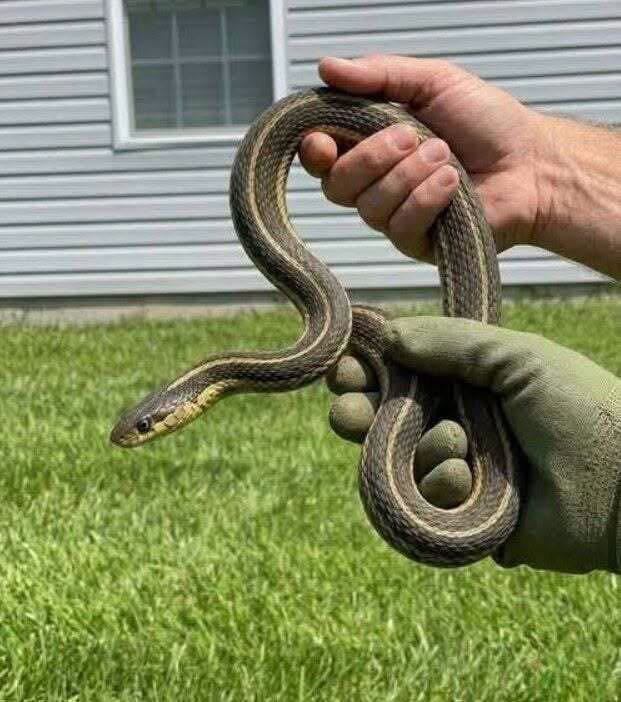
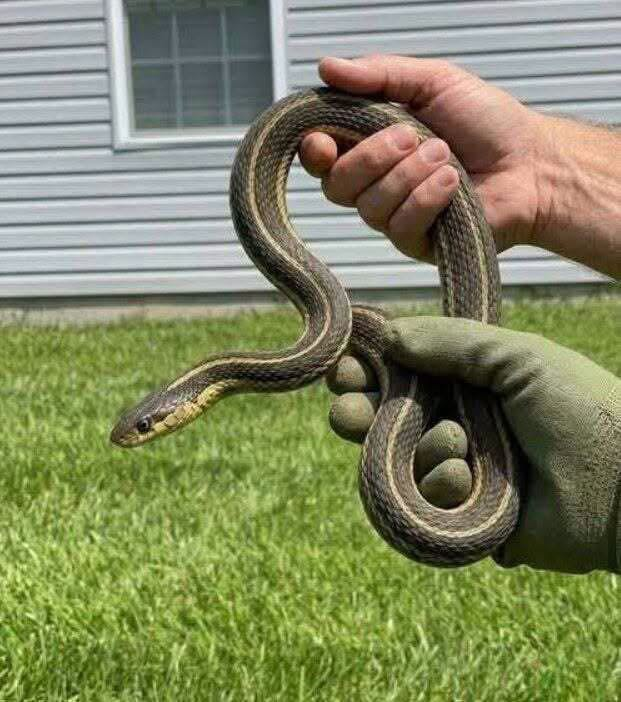
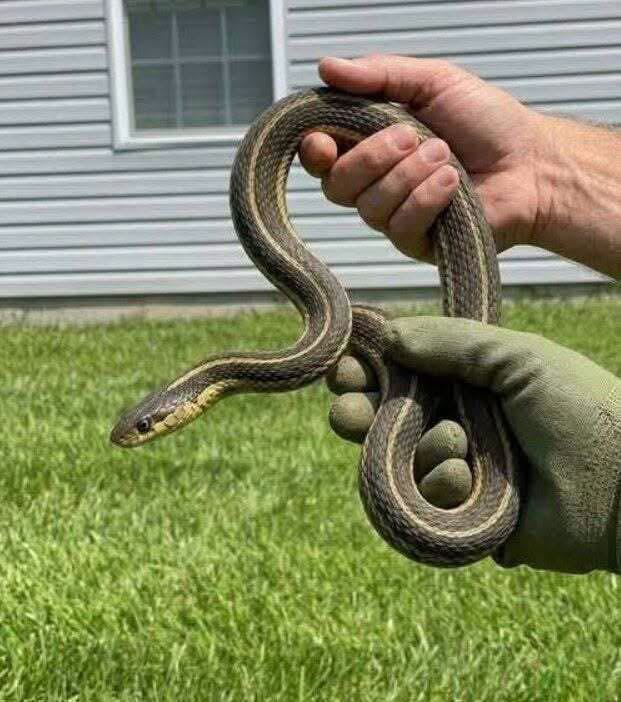
A long, slender snake with distinct longitudinal stripes is enough to make most homeowners freeze. The image shows a person holding a garter snake, a harmless and highly beneficial reptile that has unfortunately developed a bad reputation. The viral caption suggests that its presence is a sign of something ominous, but the reality is far more practical and reassuring.
The snake in the photo is a garter snake (Thamnophis genus), easily identified by its dark body with light-colored stripes running down its length . It is non-venomous to humans and poses no threat to people or pets . If a garter snake has found its way into your house, it is not a spiritual omen or a warning of impending doom. It simply means your home, or the area around it, offers something this reptile needs: shelter, moisture, or a reliable food source. Understanding what attracts these snakes is the first step toward safely resolving the situation and preventing future visits.
Identifying the Garter Snake
Garter snakes are small to medium-sized snakes native to North and Central America. They are characterized by their slender build, large round eyes, and a pattern of longitudinal stripes that may or may not include spots . They are incredibly common and can be found in a wide variety of habitats, including forests, fields, and suburban lawns.
Why They Are Often Misunderstood
Many people instinctively fear snakes, but garter snakes are among the most harmless species one might encounter. They are not aggressive and will typically flee rather than confront a human. A personal account from a gardener describes a garter snake as being just as startled as the person who nearly stepped on it, highlighting that these animals are generally shy and defensive only when threatened .
Why Garter Snakes Enter Homes
Garter snakes do not seek out human dwellings out of malice. They are driven by basic biological needs.
The Search for Food
The most common reason a garter snake enters a home or its immediate vicinity is to hunt. Their diet consists primarily of earthworms, slugs, frogs, and small rodents . If your home or garden has a healthy population of these creatures, a garter snake may be drawn in to feed. In this sense, the snake is not the pest—it is a natural predator of the actual pests.
Seeking Shelter and Moisture
Snakes are ectothermic, meaning they rely on their environment to regulate their body temperature. During extreme weather or in search of a safe place to rest, they may seek out the stable temperatures and shelter offered by basements, crawl spaces, or dense vegetation near a home’s foundation. Garter snakes are also often found near water sources, as amphibians are a large part of their diet .
What to Do When You Find One
The most important rule is to stay calm and keep your distance. While garter snakes are harmless, any wild animal can bite if it feels cornered.
Immediate Safety Steps
Keep a safe distance. Maintain several feet between yourself and the snake.
Remove vulnerable individuals. Move children and pets away from the area. Dogs and cats may try to investigate, which could lead to a confrontation.
Do not attempt to handle or kill the snake. Without proper training, you risk being bitten. Additionally, garter snakes are beneficial and killing them is unnecessary.
Call for Professional Help
If the snake is inside your living space, the safest course of action is to contact a local snake removal service or animal control. These professionals can safely relocate the snake humanely.
Preventing Future Visits
Once the snake has been removed, the focus should shift to making your home less inviting.
Seal entry points. Inspect your home’s exterior for gaps, cracks, and holes, especially around foundations, pipes, and doors.
Control rodents and amphibians. Reducing the prey population is one of the most effective ways to deter snakes.
Reduce moisture. Fix leaky pipes and ensure proper drainage to eliminate damp environments that snakes find attractive.
Keep the perimeter clear. Remove debris, woodpiles, and thick vegetation near your home’s foundation, as these provide hiding spots.
Conclusion
A garter snake in or around your house is not a sign of bad luck or a curse. It is a harmless and beneficial reptile that has found its way indoors in search of food or shelter. While the encounter can be startling, the correct response is one of calm and practical action. By keeping your distance and calling a professional if necessary, you can safely resolve the situation. And by addressing the underlying reasons—such as sealing entry points and controlling prey populations—you can reduce the likelihood of it happening again. The garter snake is simply a part of the local ecosystem; your job is to make sure your home and that ecosystem remain respectfully separated.
Frequently Asked Questions
Is the snake in the picture dangerous?
No. The snake is a garter snake, which is non-venomous and harmless to humans . It is not a threat to people or pets.
What does it mean if I find a garter snake in my house?
It simply means the snake has found a way inside, likely in search of food (such as rodents or insects), shelter, or moisture. It is not a spiritual sign or an omen.
What should I do if I find a garter snake in my house?
Stay calm, keep your distance, and move children and pets away. If the snake is inside, call a professional removal service. Do not try to handle or kill it.
Will the snake bite me?
Garter snakes are not aggressive and will typically flee if given the chance. They will only bite if they feel threatened or are cornered.
How do I stop snakes from coming into my house?
Seal cracks and gaps in your home’s exterior, control rodent populations, reduce moisture in basements and crawl spaces, and keep the area around your foundation clear of debris and thick vegetation.