The Truth Behind the “Three-Point Tattoo”: Separating Urban Legend from Reality
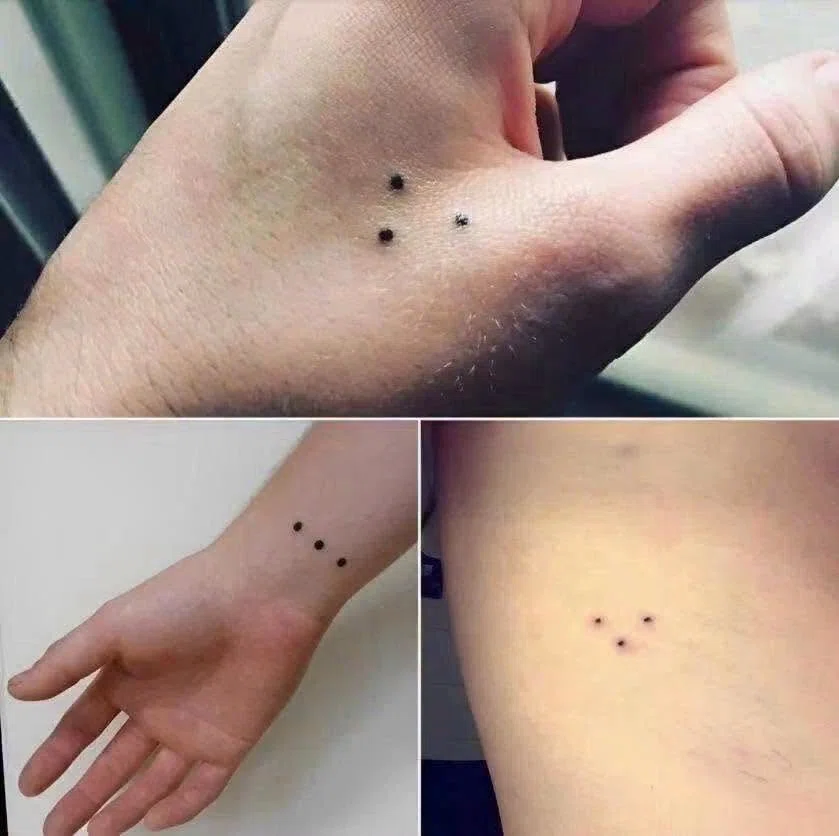
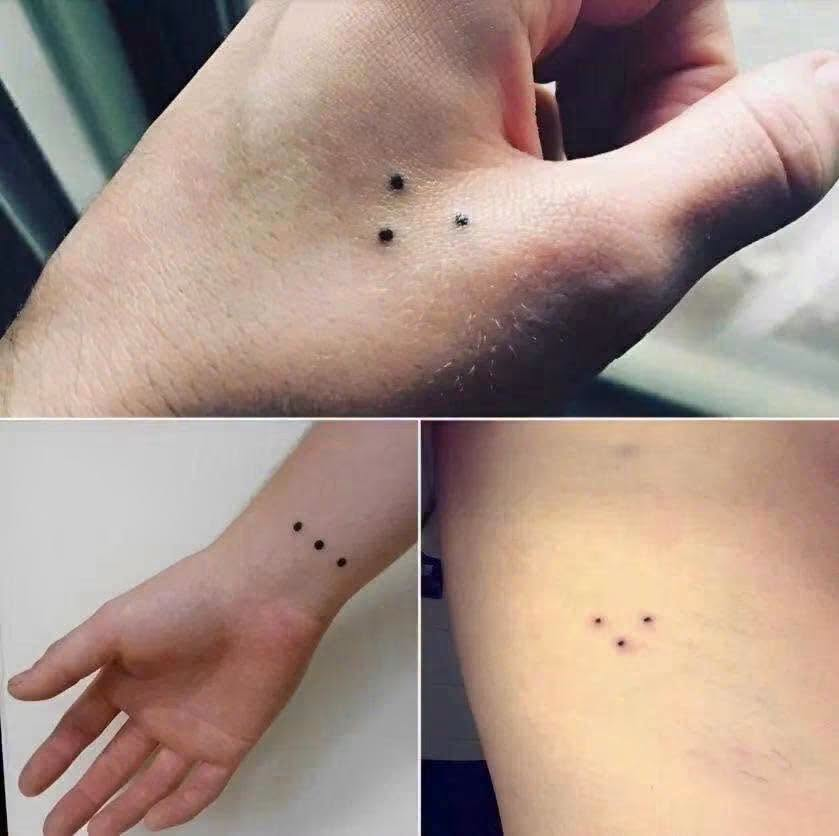
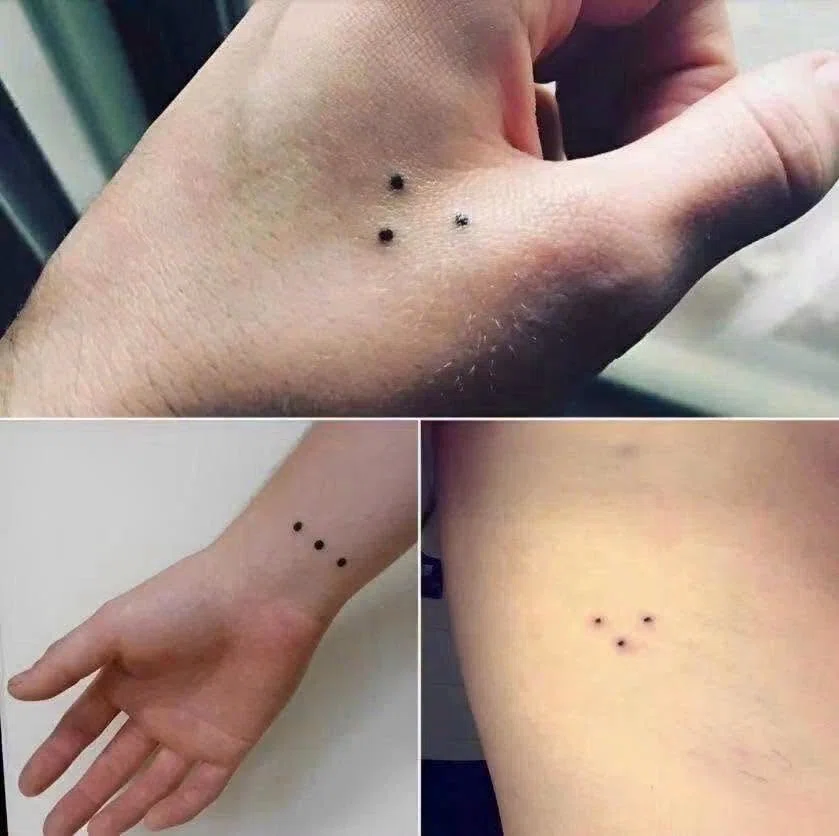
While the viral warnings are largely exaggerated, the three-dot tattoo does have a real historical association, though it is not the one the internet claims. In the mid-to-late 20th century, the three-dot tattoo became associated with the “Mi Vida Loca” (My Crazy Life) culture, particularly among Chicano gangs in Los Angeles.
For these groups, the three dots represented the three stages of life: the past, the present, and the future. It was a way of acknowledging a life of hardship and survival. In some variations, the dots were placed on the hand or near the eye. However, this tattoo was primarily a cultural identity marker for a specific demographic in a specific region, not a universal code for all dangerous individuals. Furthermore, the meaning of tattoos evolves over time. Today, many people get three-dot tattoos for purely aesthetic reasons, with no connection to gang life whatsoever.
Other Cultural Interpretations
Beyond gang culture, the three-dot motif holds various meanings across different cultures and contexts:
Prison Culture: In some prison systems, three dots can represent time served or a specific affiliation, but again, the meanings vary by facility and region.
Religious and Spiritual Symbolism: In some cultures, the triangle formed by three dots represents the Holy Trinity or spiritual balance.
Mental Health Awareness: The semicolon (a dot and a comma) is a well-known symbol of suicide prevention, but some variations use dots to represent a pause or continuation.
Minimalist Aesthetics: For many young people today, three tiny dots are simply a popular, minimalist tattoo design. It is a quick, relatively painless, and subtle form of body art that has been popularized by celebrities and social media influencers.