The Vintage Silver Tool in Grandma’s Dresser: What Is It?
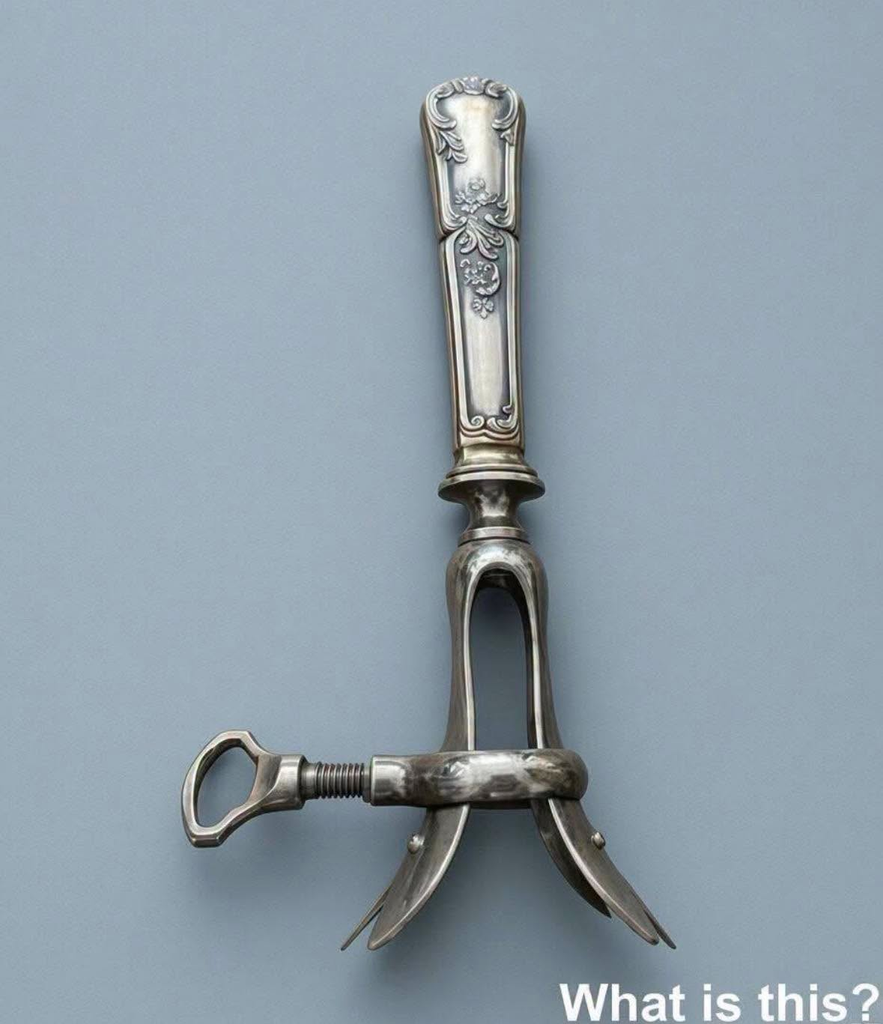
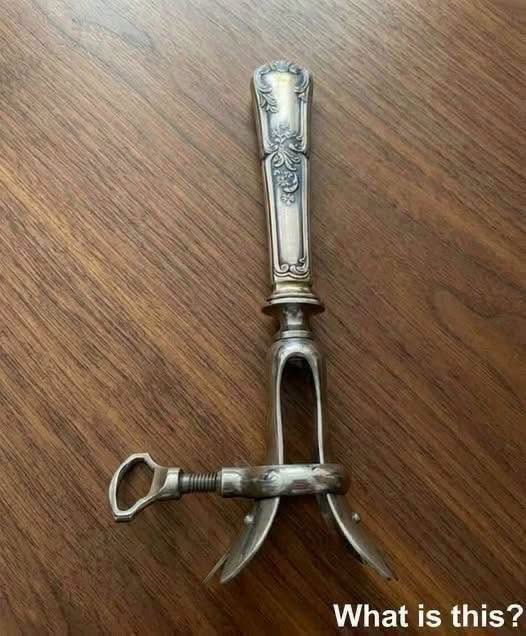
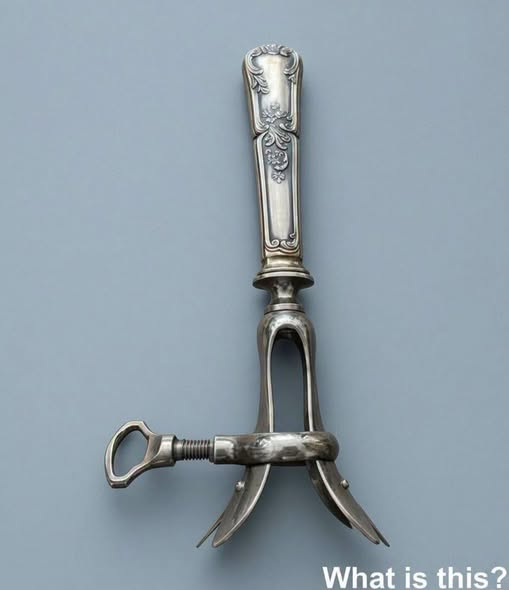
Finding an unfamiliar object while sorting through the belongings of a loved one is a common experience. It often leads to a mix of curiosity and confusion, especially when the item looks like a specialized tool from a bygone era. The image above shows a silver tool with an ornate handle, a clamp mechanism, and a screw adjustment. This object, discovered in a grandmother’s dresser, is a classic example of a household item whose purpose has faded from modern memory.
Identifying the Object
The tool in the image is a vintage leg of lamb holder, also known by its French name, a manche à gigot. It was a specialized piece of tableware used to hold large cuts of meat steady while they were being carved. The clamp grips the bone of the roast, and the sharp prongs at the end dig into the meat to secure it. The screw mechanism adjusts the opening of the clamp, allowing it to fit different sizes of bones. This prevented the meat from sliding around the serving platter and allowed the host to carve clean, even slices for guests.
The History of Carving Tools
These tools were most popular during the 19th and early 20th centuries. They were a standard part of a formal carving set, which often included a carving knife, a fork, and a sharpening steel. Large roasts were frequently the centerpiece of a formal meal, and the host would carve the meat at the table. The leg of lamb holder made this task easier and more elegant. It was a symbol of hospitality and good manners, reflecting the importance of presentation and etiquette in dining.
Materials and Design
Leg of lamb holders are usually made of silver or silver-plated metal. The one in the image has an engraved or decorated handle, which is common for these items. The ornate design suggests it was a quality piece, likely intended for special occasions. The silver could also carry a hallmark, which would indicate its origin and purity. Collectors often look for these marks to determine the age and maker of the piece.
Why It Was in the Dresser
Finding a tableware item in a dresser might seem unusual, but older generations often kept useful items in drawers for quick access. A carving tool might have been stored in the dresser after being passed down through the family. It may also have been kept there for special occasions, away from the everyday kitchen utensils. It is a piece of family history that tells a story about daily life in the past.
What You Can Do With It
If you find a leg of lamb holder, you can keep it as a decorative piece. It is a beautiful example of antique silverware and a conversation starter. You can also use it for its intended purpose if you enjoy preparing large roasts. It is still a functional tool for carving meat. If you want to know its value, you can take it to an antique dealer or appraiser. They can assess its age, condition, and silver content.
Frequently Asked Questions
Is a leg of lamb holder still used today? While not as common as it once was, some people still use leg of lamb holders for formal dinners or special occasions. They are appreciated for their functionality and vintage charm.
How do I clean a vintage silver leg of lamb holder? Clean it gently with a silver polish and a soft cloth. Avoid abrasive cleaners that can scratch the surface. If the piece is silver-plated, be careful not to rub too hard, as this can wear away the plating.
Can I use it for other types of meat? Yes, a leg of lamb holder can be used for other large cuts of meat, such as a ham or a pork roast. The clamp is designed to grip the bone, so it works best with bone-in cuts.
The Bottom Line
The mysterious silver tool is a vintage leg of lamb holder. It was used to hold meat steady while carving. It is a piece of history that reflects the formal dining traditions of the past. It is a beautiful and useful item that is worth preserving. Whether you keep it as a decorative piece or use it for its intended purpose, it is a wonderful connection to the past.
Do you have a similar antique tool in your family? Share your story in the comments below.