These Are the Consequences of Sleeping With a Partner Who Has Pubic Lice: What the Image Really Shows
Pubic lice are primarily transmitted through intimate, skin-to-skin contact, which is why they are classified as a sexually transmitted infection in adults and adolescents . The lice cannot jump or fly; they crawl from one hair shaft to another during close contact.
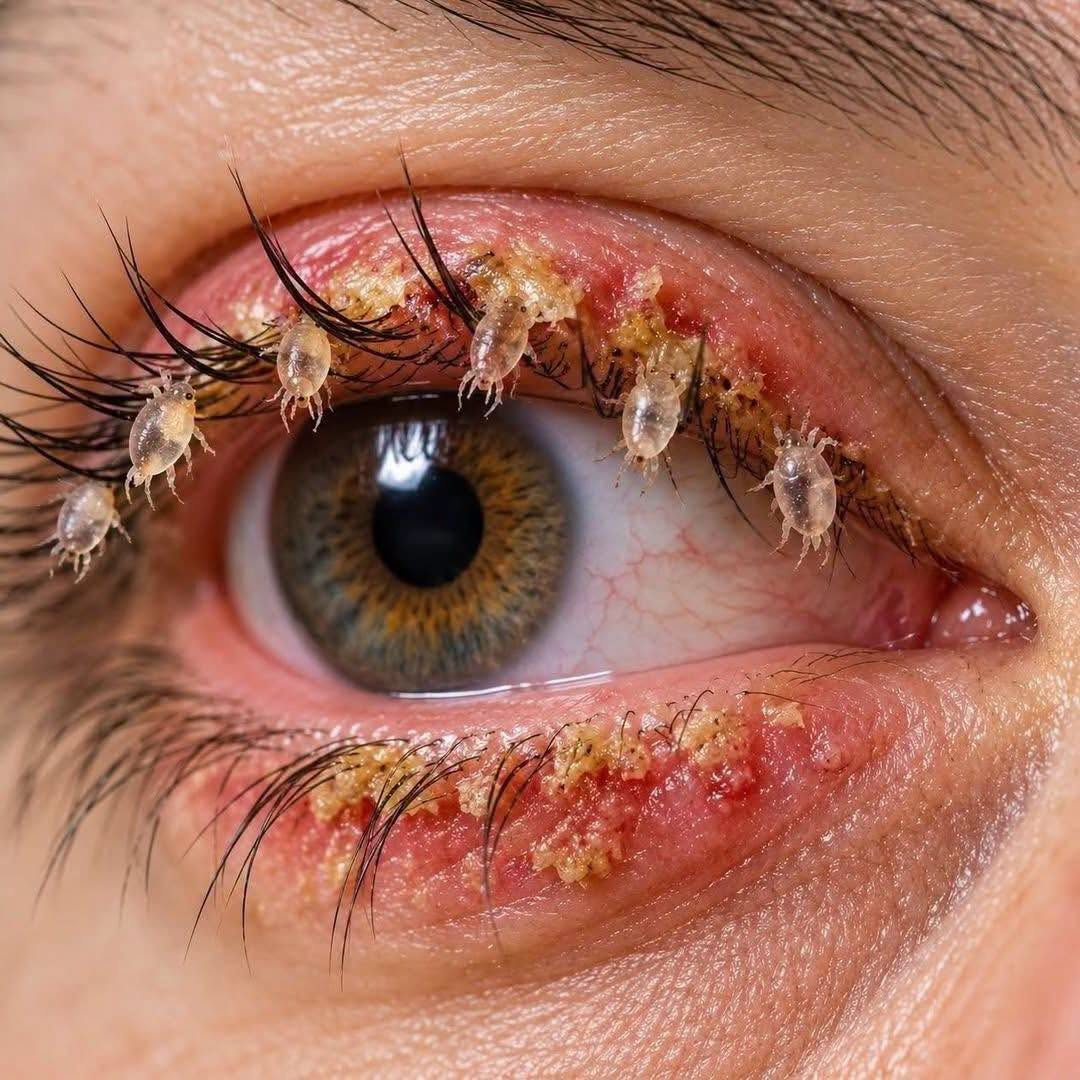
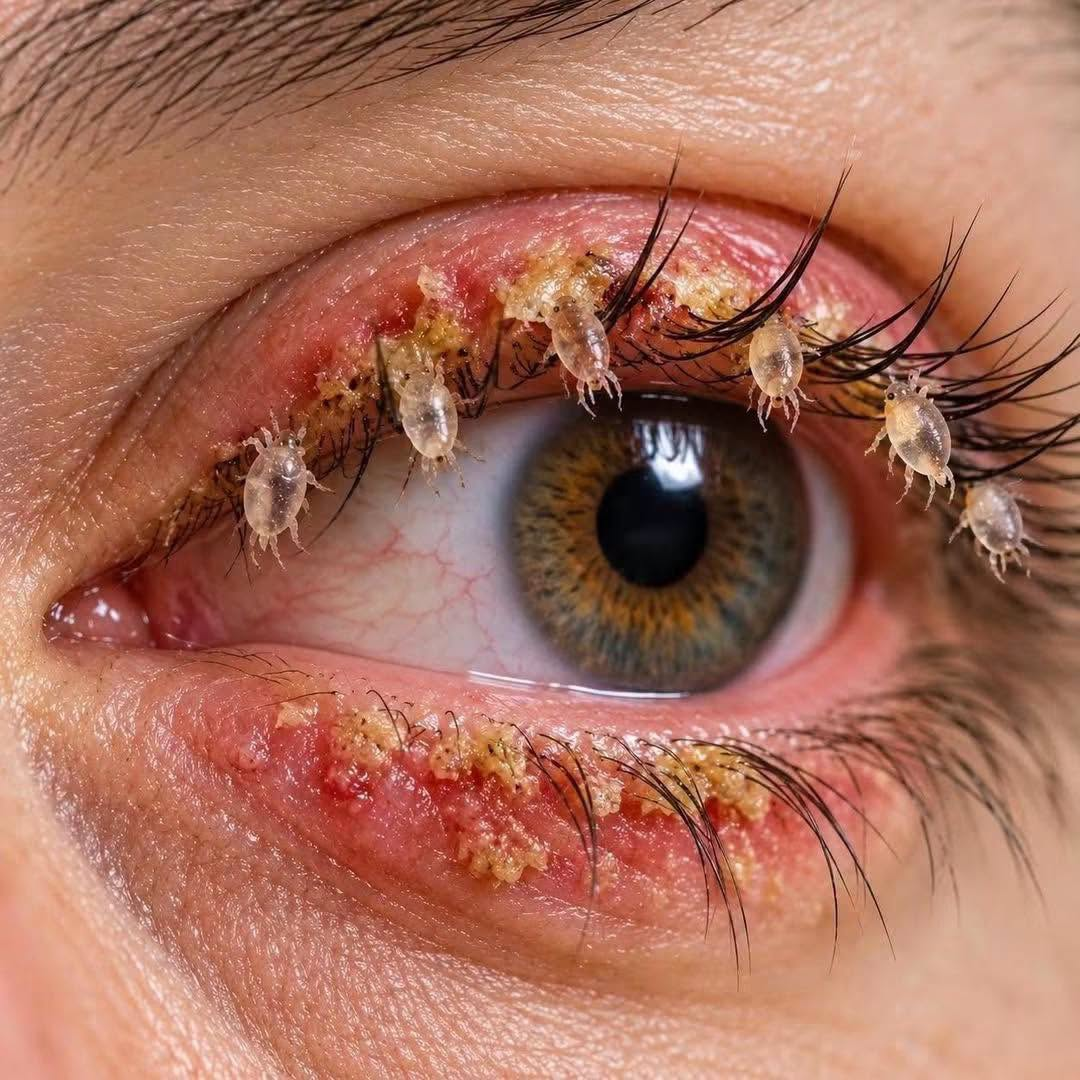
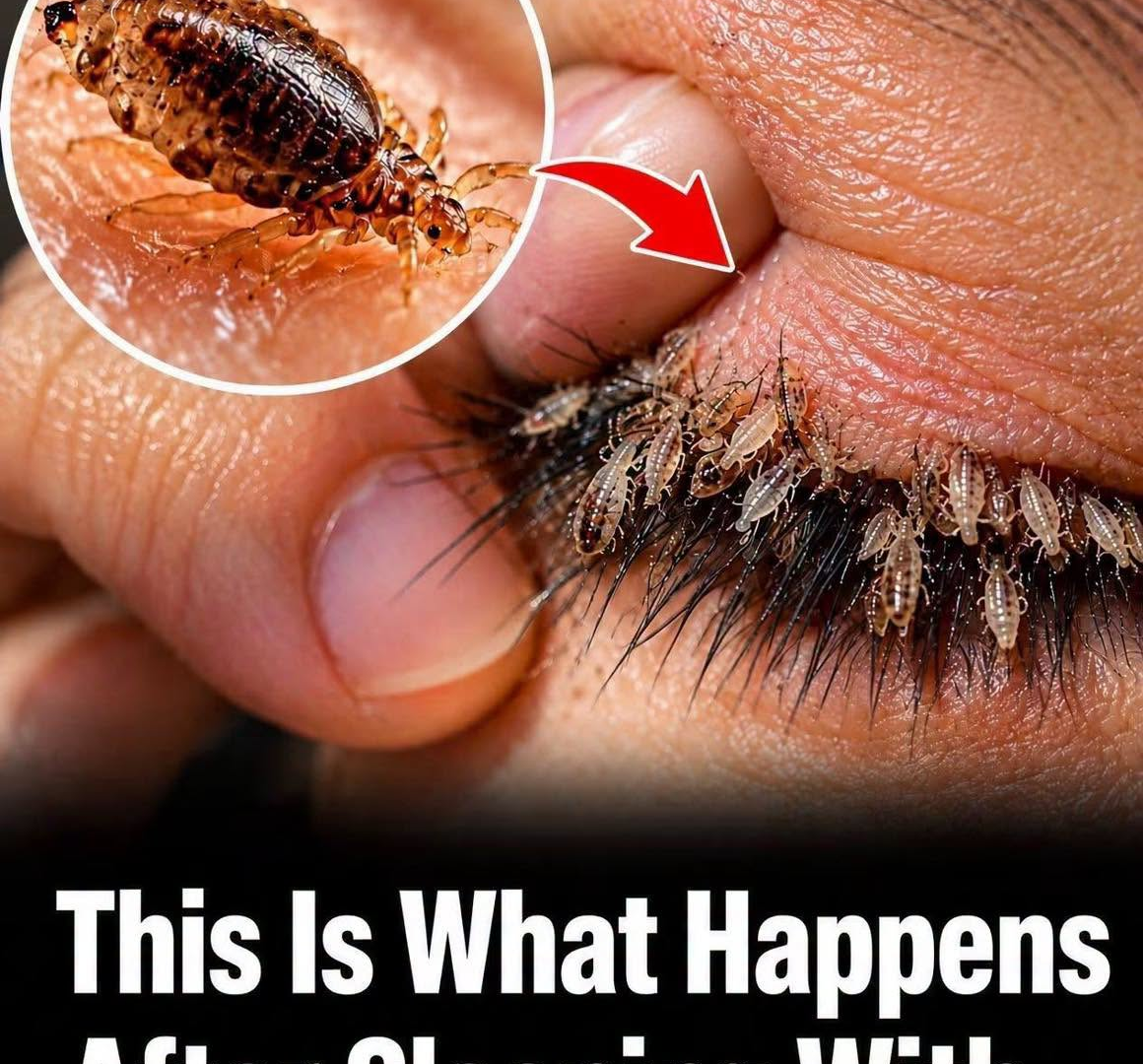
The route to the eyelashes is usually indirect. In adults, the lice are typically transported to the eye area by the hands after touching an infested pubic area . In children, the transmission pattern is different. The NIH case report notes that in children, spread can occur through close contact, such as sleeping in the same bed with an infested parent, rather than through sexual contact . This distinction is important, as it means the presence of pubic lice on a child’s eyelashes does not automatically imply abuse—though it does warrant a careful evaluation of the family’s situation.
The caption’s phrasing—”sleeping with”—is therefore medically relevant, but not in the way a shocked reader might assume. Sleeping in the same bed as an infested person can facilitate transmission through prolonged close contact, particularly if infested hairs or lice are transferred to shared bedding.