These Are the Consequences of Sleeping With a Partner Who Has Pubic Lice: What the Image Really Shows
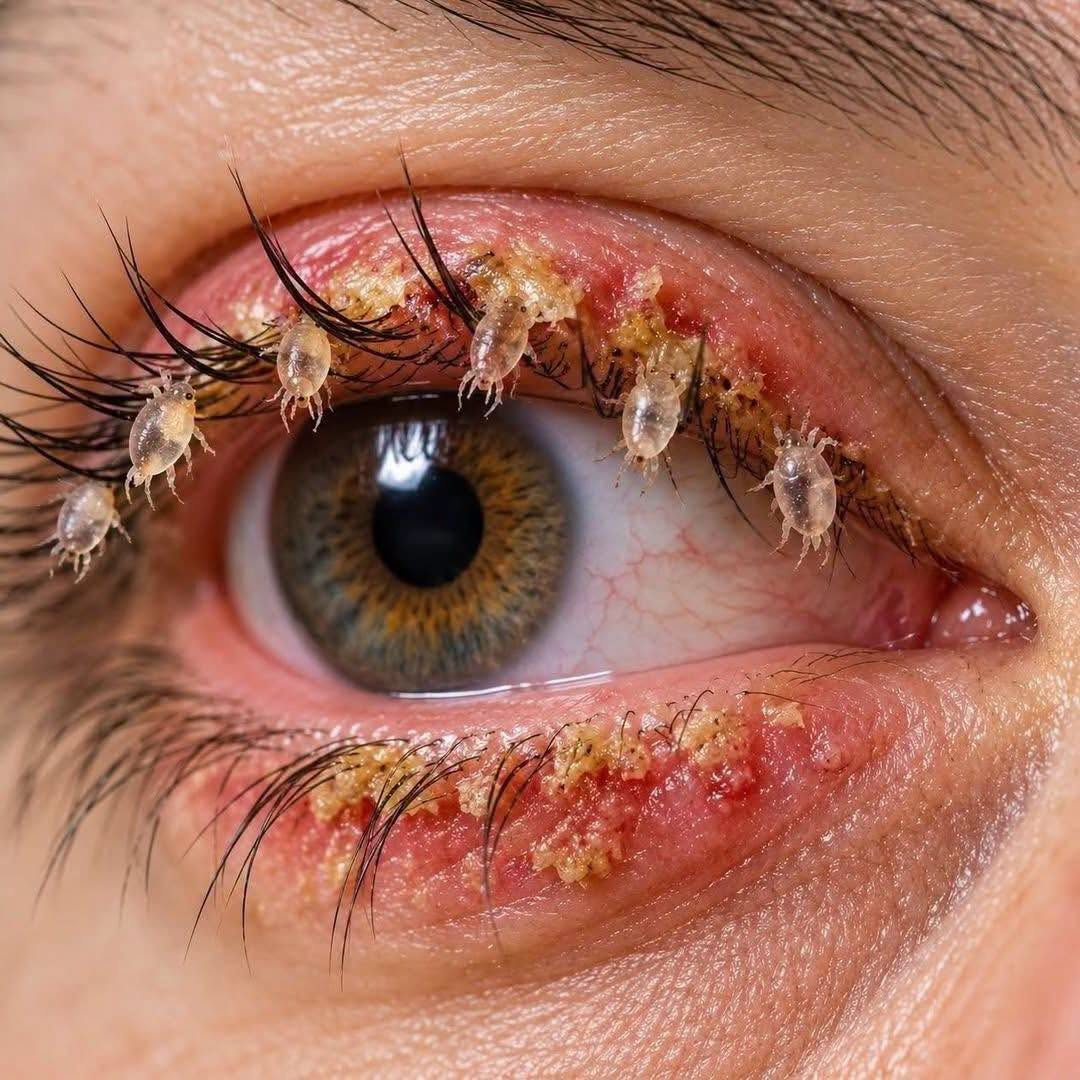
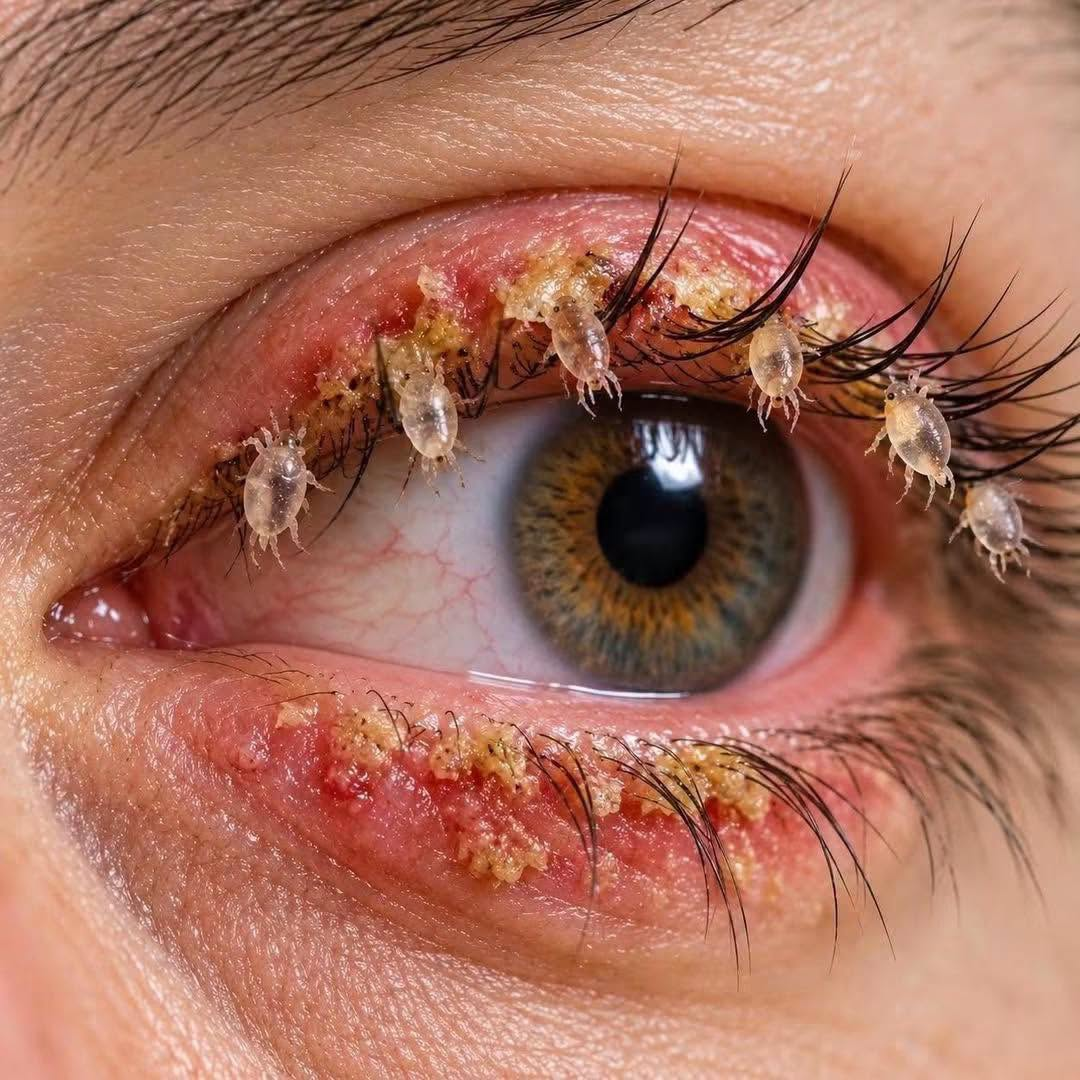
If left untreated, the consequences of an eyelash infestation are uncomfortable but generally not vision-threatening. The lice feed on blood, and their saliva can cause an allergic reaction that leads to itching, redness, and inflammation of the eyelids and conjunctiva . The itching can lead to scratching, which may cause secondary bacterial infection. In the NIH case, the child had developed chronic blepharoconjunctivitis as a result of the infestation .
The psychological impact should not be underestimated. The idea of insects living on the eyelashes is deeply distressing, and the social stigma associated with pubic lice can cause embarrassment and shame. However, the condition is highly treatable, and the infestation does not cause lasting damage to the eyes when properly managed.
Treatment Options for Eyelash Infestation
Treating pubic lice on the eyelashes requires a different approach than treating an infestation in the pubic area. The eyelashes and eyes are delicate, and the harsh chemical insecticides used for body lice are not appropriate for the eye area.
The standard approach involves mechanical removal of the lice and nits using fine forceps, often with the aid of a slit lamp or magnification . In the NIH case, 19 lice and 30 nits were removed from the upper eyelid, and 5 lice and 5 nits from the lower eyelid . Following removal, a simple eye ointment or petroleum jelly can be applied to the eyelashes to smother any remaining lice or newly hatching nymphs. The NIH case used twice-daily petroleum jelly for 10 days , while NHS Scotland guidance recommends simple eye ointment applied twice daily for 8 to 10 days .
It is important to note that petroleum jelly should be used with caution around the eyes, and a doctor or pharmacist should be consulted for the most appropriate product. Any sexual partners should also be treated, and clothing and bedding should be washed in hot water to prevent reinfestation .
Conclusion
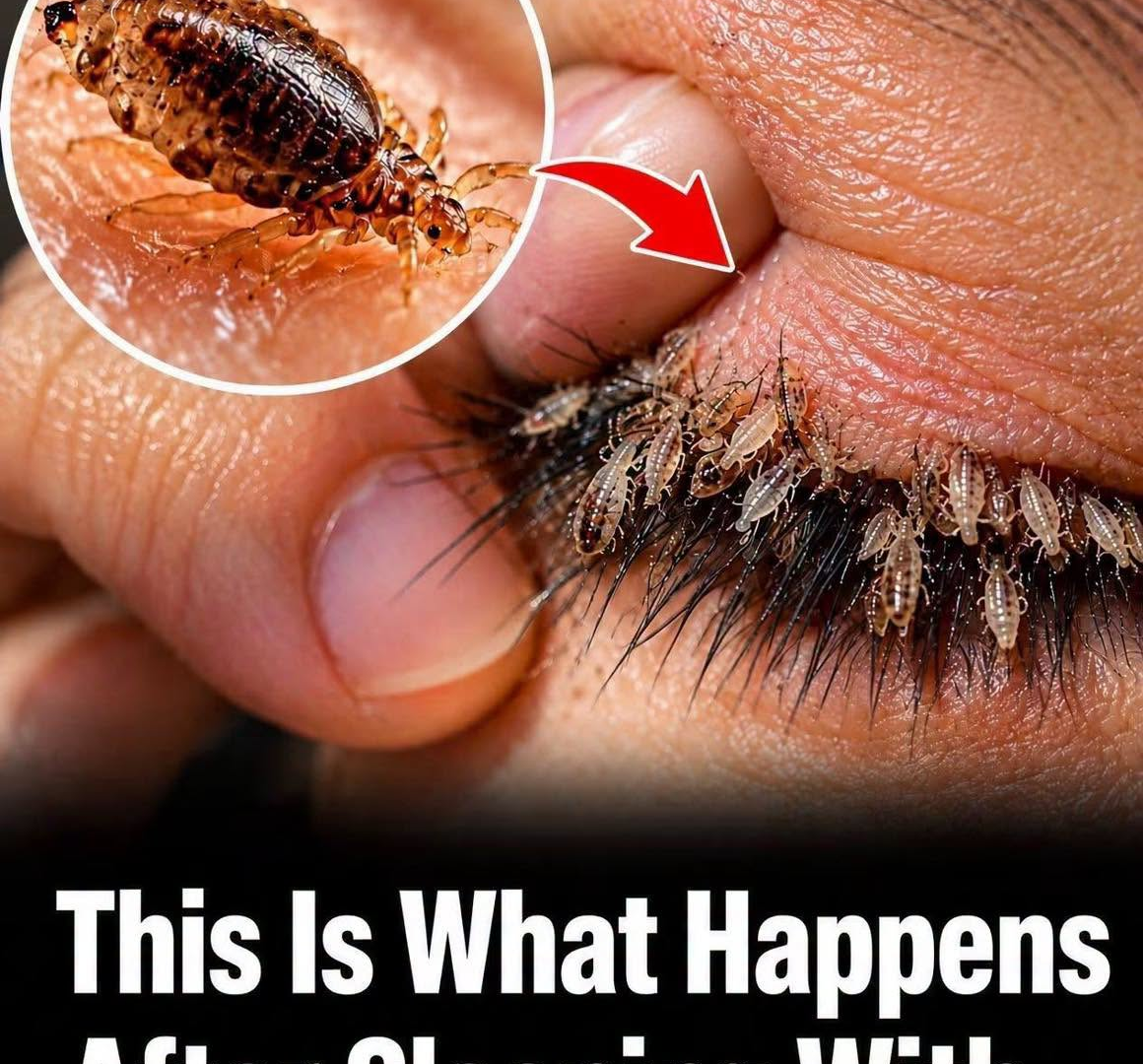
The image is alarming, but the condition it depicts is a known, treatable parasitic infestation. Pubic lice can spread to the eyelashes through close contact—including sharing a bed with an infested person—and the resulting symptoms are often mistaken for common eye infections. The appropriate response is not panic but a medical evaluation. With careful removal of the lice and nits and appropriate topical treatment, the infestation resolves completely, as it did in the documented case . The caption’s ominous framing obscures a simpler truth: this is a nuisance that can be eliminated, not a life sentence.
Frequently Asked Questions
What are the insects on the eyelashes in the image?
They are pubic lice, also called crab lice (Phthirus pubis). The condition of having them on the eyelashes is called phthiriasis palpebrarum .
Can you get pubic lice on your eyelashes from sleeping in the same bed?
Yes. While pubic lice are primarily spread through intimate contact, they can be transmitted through prolonged close contact, such as sharing a bed with an infested person. In children, this is a recognized route of transmission .
Are eyelash lice dangerous?
They are not life-threatening, but they cause significant itching, redness, and inflammation of the eyelids and eyes. Without treatment, they can lead to chronic blepharoconjunctivitis and secondary infection .
How are pubic lice on the eyelashes treated?
Treatment involves mechanical removal of the lice and nits with fine forceps, followed by application of a simple eye ointment or petroleum jelly to the eyelashes for 8 to 10 days to smother remaining lice . A doctor should be consulted for proper diagnosis and treatment.
Can pubic lice on the eyelashes be prevented?
Prevention involves avoiding close contact with an infested person until they are treated, washing bedding and clothing in hot water, and maintaining good hygiene. If you suspect an infestation, seek medical advice promptly.