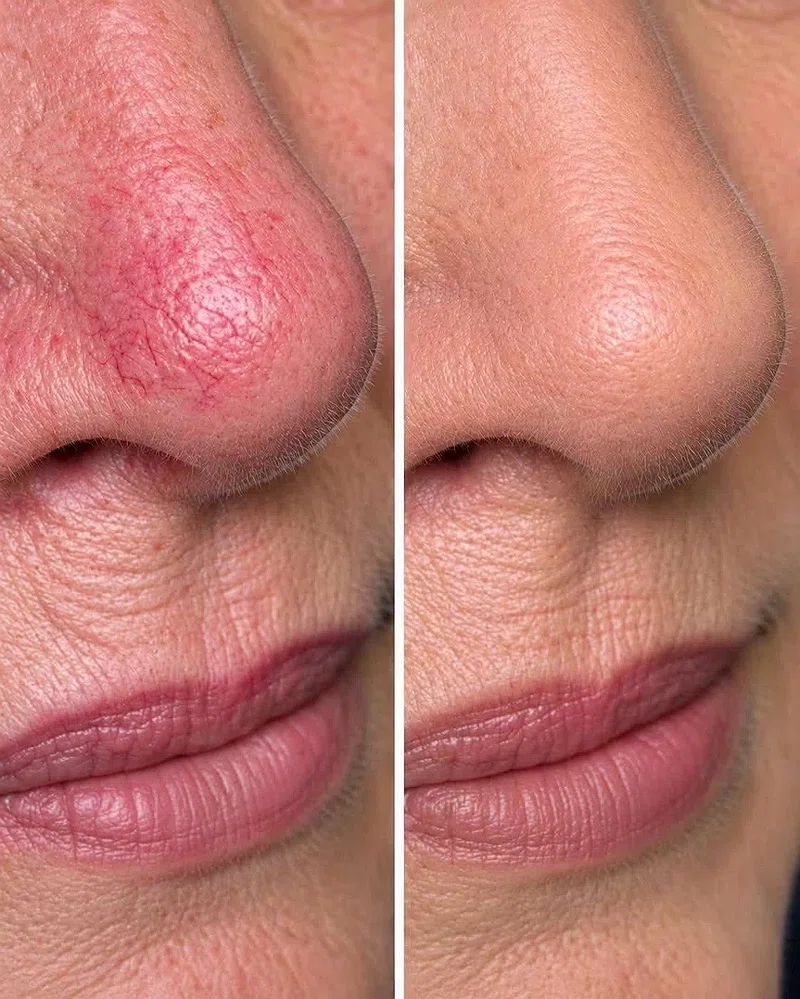
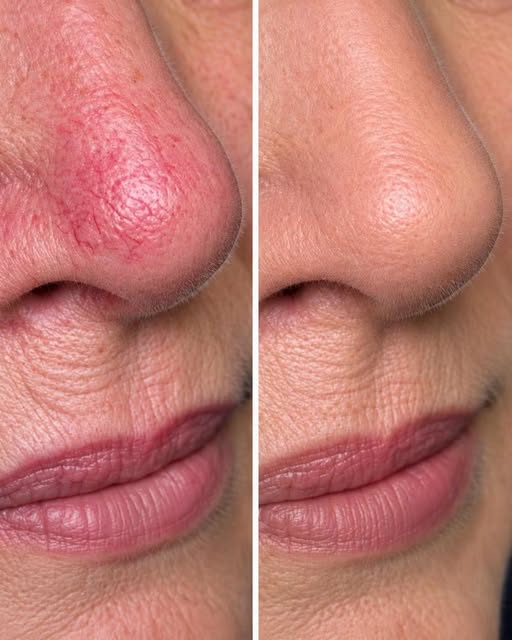
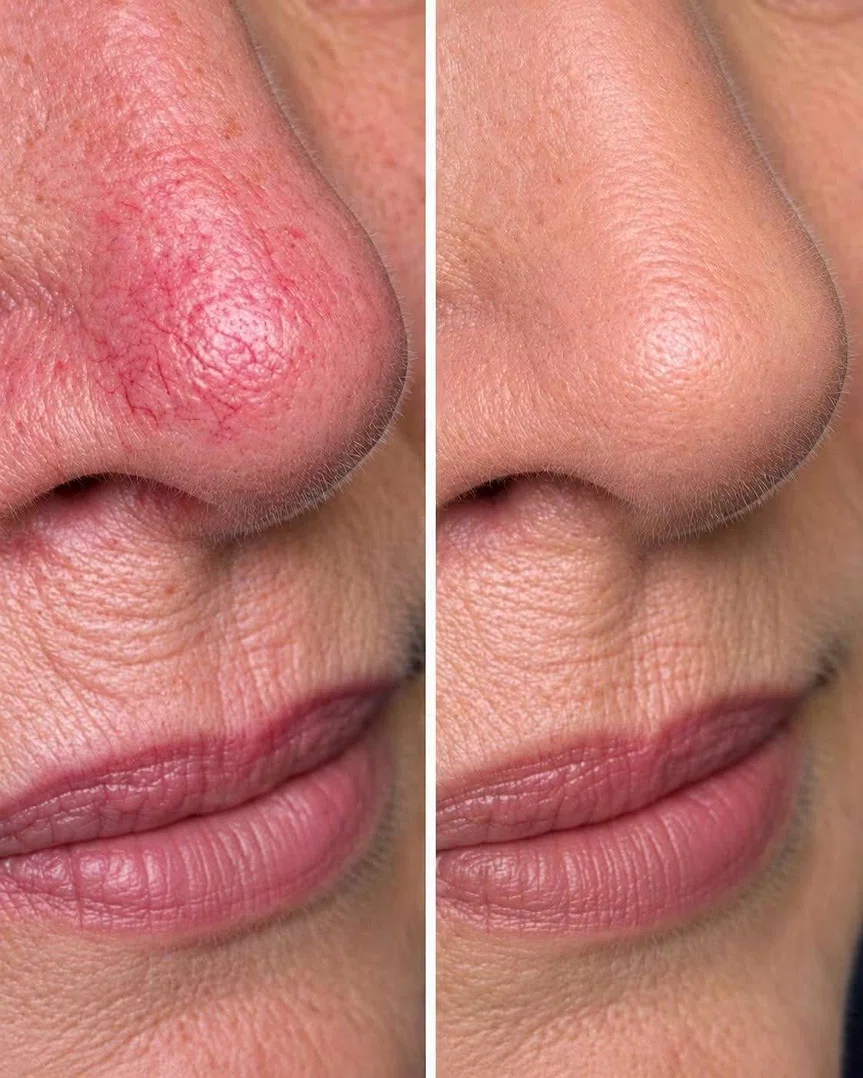
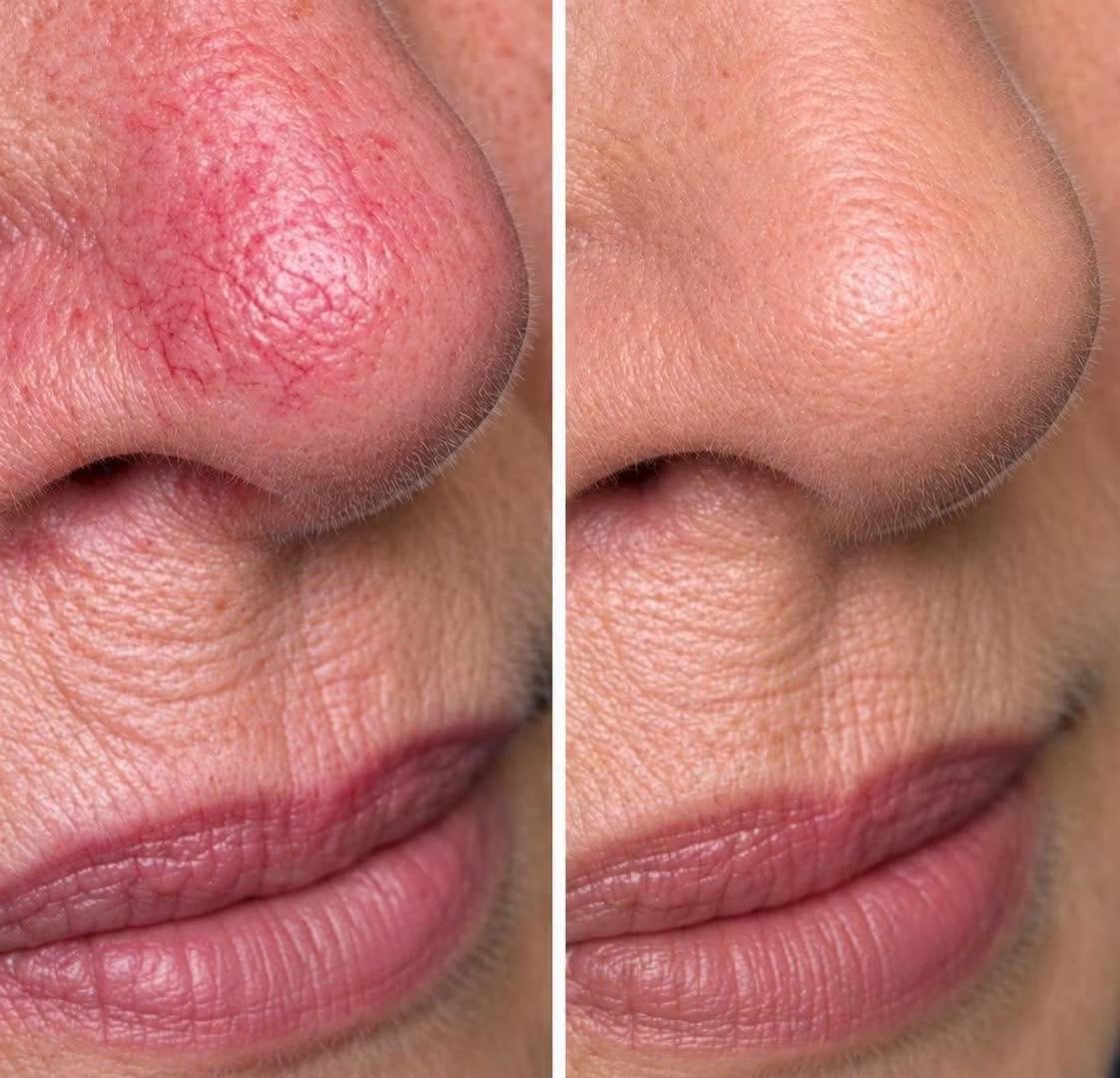
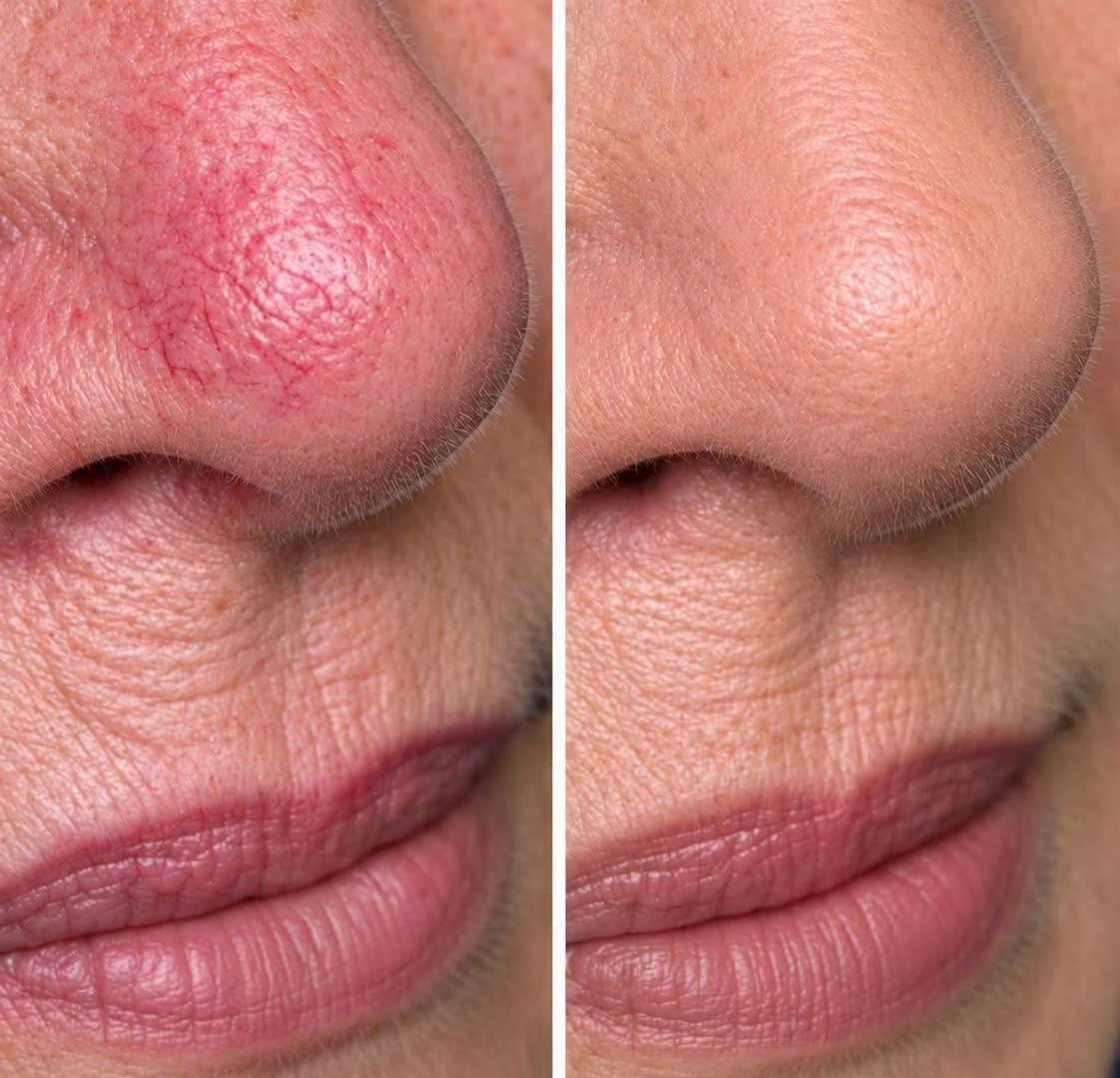
These Are the First Symptoms of Rosacea: Recognizing the Early Signs on Your Nose
Certain factors can cause rosacea symptoms to worsen. Common triggers include sun exposure and wind, hot drinks and spicy foods, alcohol consumption, extreme temperatures, emotional stress, strenuous exercise, certain medications that dilate blood vessels, and some cosmetic products. If you know a particular trigger makes your symptoms worse, it is best to avoid it as much as possible.
Treatment Options for Rosacea
While rosacea cannot be cured, treatment can help control the symptoms and prevent them from worsening. A doctor or dermatologist may recommend topical creams and gels containing ingredients such as metronidazole, azelaic acid, or ivermectin to reduce inflammation and bumps. Oral antibiotics may be prescribed for a course of 6 to 16 weeks to calm inflammation. Brimonidine gel or oxymetazoline cream can temporarily reduce flushing. Laser therapy or intense pulsed light (IPL) can reduce the visibility of dilated blood vessels. Daily use of sunscreen with SPF 30 or higher is also essential to protect sensitive skin.
In more advanced cases, where the skin on the nose has thickened and become bumpy (a condition called rhinophyma), treatments such as dermabrasion, laser resurfacing, or surgery may be considered.