Visible Veins on Your Hands: What They Really Mean (and Why It’s Usually Not Serious)
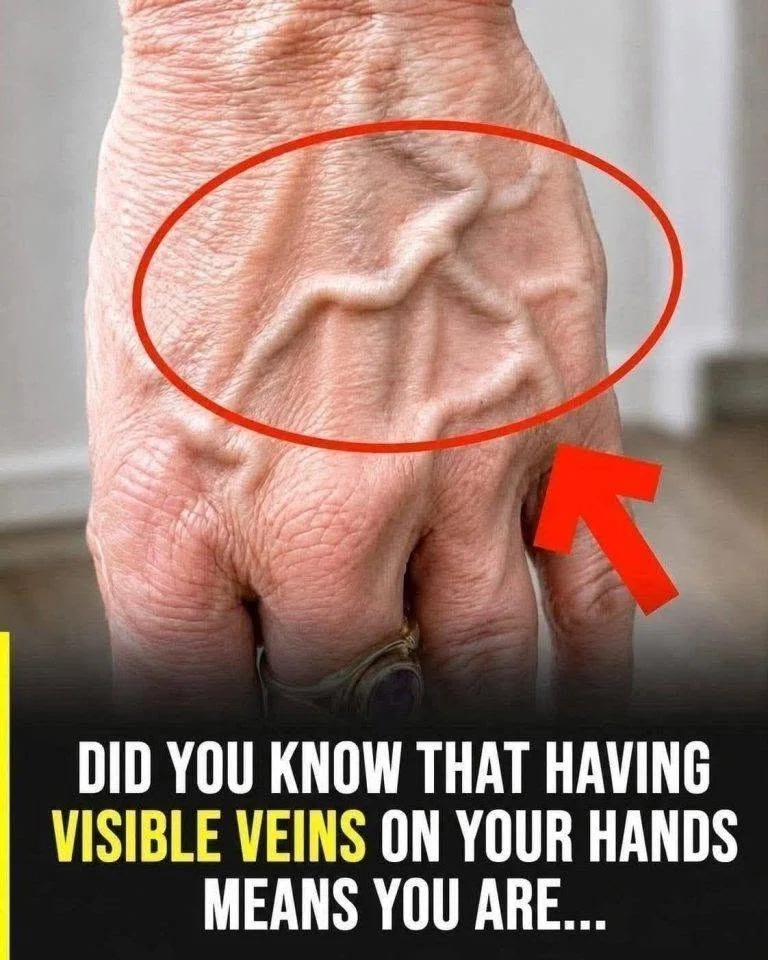
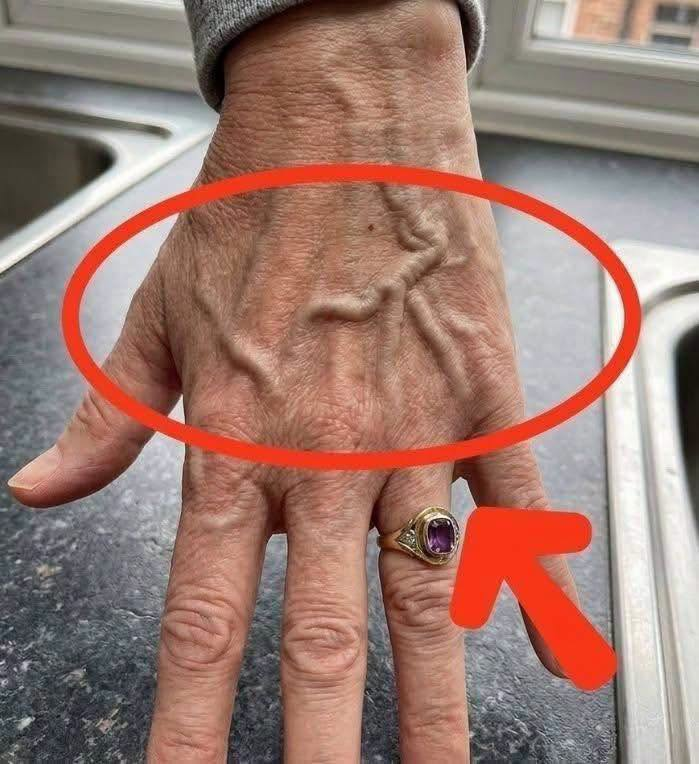
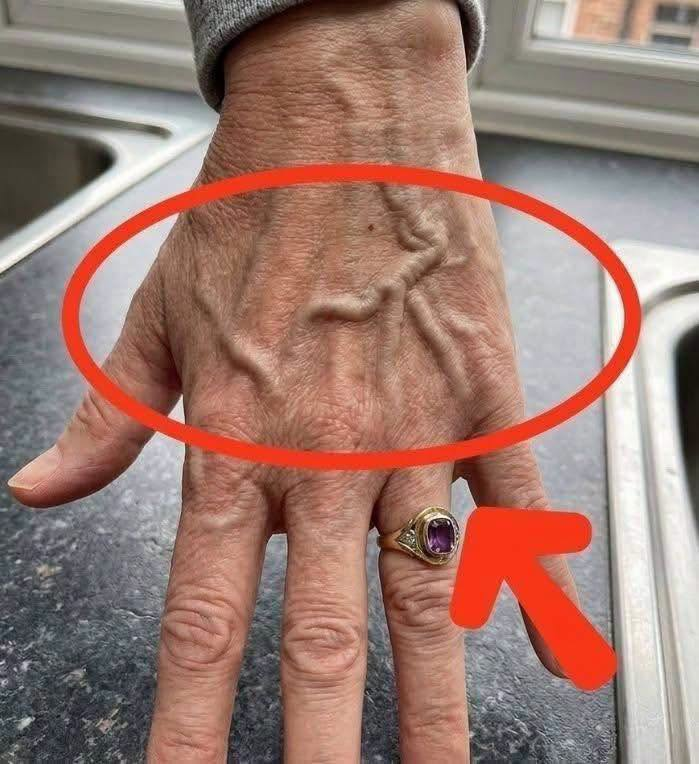
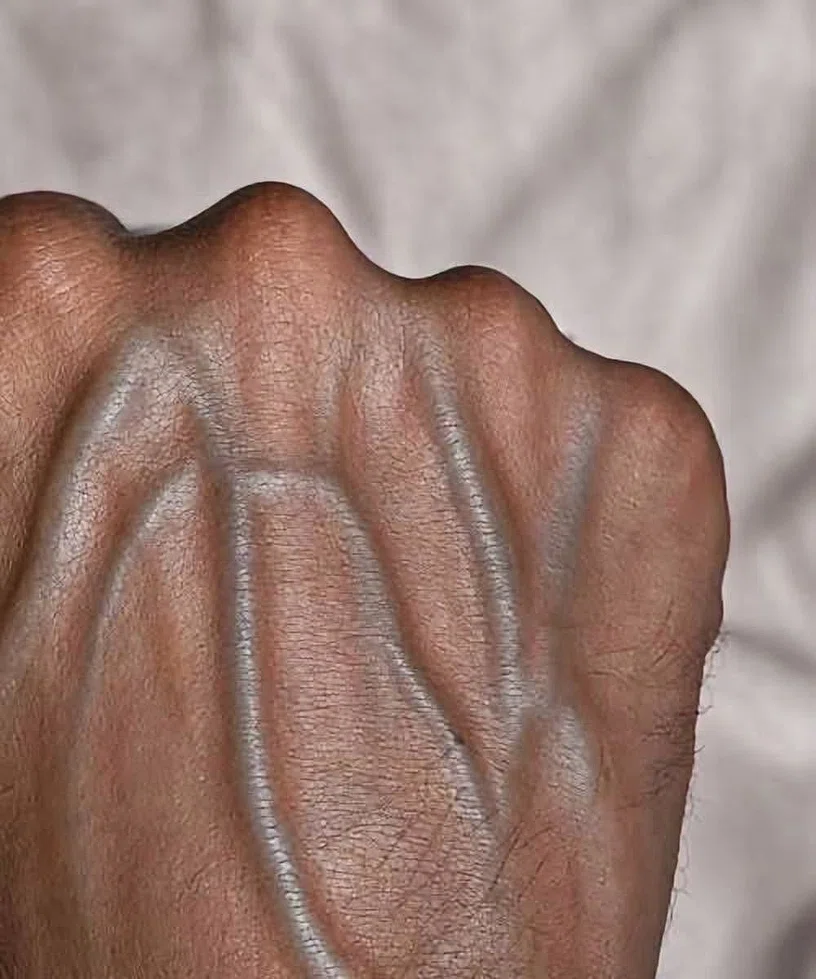
The veins on the back of the hand are superficial veins, meaning they sit close to the skin’s surface. Their job is to return blood from the extremities toward the heart. Because they are not buried deep within muscle tissue, they are often visible even under normal circumstances. Several entirely benign factors can make them stand out more.
Age and Skin Thinning
As people age, the skin gradually loses thickness and elasticity. The subcutaneous fat layer beneath the skin also tends to diminish over time. Together, these changes reduce the cushioning over the superficial veins, making them appear more pronounced . This is a normal part of aging and is not indicative of a disease process. Many older adults notice that their hand veins have become more prominent than they were in their youth, even without any changes in health status.
Low Body Fat and Lean Body Composition
One of the most common reasons for prominent hand veins is a low percentage of body fat. Subcutaneous fat acts as a cushioning layer beneath the skin. When that layer is thin, the veins beneath it become more visible and feel more prominent to the touch . This is why athletes, bodybuilders, and naturally lean individuals often have very noticeable veins on their hands and arms. It is a sign of leanness, not illness.
Heat and Temperature Regulation
When the body is exposed to warmth, the blood vessels near the skin’s surface dilate to help release heat and cool the body. This process, called vasodilation, temporarily increases blood flow to the surface and makes the veins appear larger and more visible . This effect is temporary and reverses when the body cools down.
Exercise and Physical Activity
During exercise, blood pressure rises and blood flow increases significantly to deliver oxygen and nutrients to working muscles. This increased volume of blood can cause the superficial veins to expand and become more prominent . For people who exercise regularly, particularly those who lift weights or engage in resistance training, the combination of increased blood flow and muscle development can lead to persistently visible veins on the hands and arms.
Genetics
Some people are simply genetically predisposed to having more visible superficial veins. If a parent or sibling has prominent hand veins, it is more likely that you will too . This is a normal variation in human anatomy, not a health concern.
The Myth of Visible Veins and Serious Disease
The claim that visible hand veins are a sign of cancer, liver disease, or a failing circulatory system is not supported by medical evidence. This misinformation likely stems from a misunderstanding of a real medical condition called portal hypertension, which can cause visible veins on the abdomen in people with liver cirrhosis. However, the veins in the hands are not part of the portal venous system. They drain directly into the systemic circulation and are not subject to the same pressure changes .
It is also important to distinguish between normal prominent veins and varicose veins. True varicose veins in the hands are uncommon because arm veins are under much less pressure than leg veins. The veins in the legs have to work hard to push blood back up to the heart against gravity, especially when standing. The veins in the arms do not face the same strain, so they are less likely to become damaged or enlarged . Visible hand veins are typically a cosmetic feature, not a sign of vein disease.
When Visible Veins Might Be a Concern
While prominent hand veins are almost always harmless, there are specific situations where a change in vein appearance should prompt a medical evaluation. The key is to look for accompanying symptoms rather than the visibility of the veins alone.
Sudden Changes and Accompanying Symptoms
If you notice a sudden increase in the prominence of veins on one hand or arm, especially if it is accompanied by swelling, pain, redness, or a feeling of warmth, it is worth having a doctor take a look . These symptoms could indicate a blood clot in a superficial or deep vein, an infection, or inflammation of the vein (phlebitis). These conditions are treatable, but they require proper diagnosis.
Vein Inflammation and Thrombophlebitis
Superficial thrombophlebitis is the inflammation of a vein near the surface of the skin, often caused by a small blood clot. It can cause the vein to feel hard, warm, and tender, and the surrounding skin may become red . This is different from simply having visible veins. It is a specific inflammatory response that warrants medical attention.
When to Seek Medical Advice
You should consult a healthcare provider if you experience any of the following alongside visible hand veins: sudden swelling, persistent pain or tenderness, skin changes such as redness or discoloration, or if the vein feels hard and warm to the touch . These signs may indicate an underlying issue that requires treatment.
Conclusion
Visible veins on the hands are a normal, common, and almost always harmless feature of human anatomy. They are caused by aging skin, low body fat, warmth, exercise, and genetics—not by cancer, liver disease, or a failing body. The viral claims that equate prominent hand veins with serious illness are misleading and unsupported by medical evidence. While sudden changes accompanied by pain, swelling, or redness should always be checked by a healthcare provider, the simple presence of visible veins is not a cause for alarm. Your hands are simply showing you the healthy, working circulation beneath the skin.
Frequently Asked Questions
Do visible veins on the hands mean I have a serious disease?
No. In the vast majority of cases, visible hand veins are a normal physiological feature caused by factors such as aging, low body fat, heat, exercise, and genetics. They are not a sign of cancer or liver disease .
Why are my hand veins so visible?
The most common reasons are thinner skin due to aging, low body fat, warm temperatures, recent exercise, and genetics. These are all normal factors that affect how close the superficial veins are to the surface of the skin .
Are bulging hand veins a sign of poor circulation?
Not usually. Visible hand veins are typically a sign of good superficial circulation and leanness. Poor circulation more often causes symptoms like coldness, numbness, or swelling, rather than simply making veins visible .
When should I see a doctor about my hand veins?
You should see a doctor if you notice a sudden change in vein prominence that is accompanied by pain, swelling, redness, warmth, or if the vein feels hard and tender. These could be signs of a blood clot or inflammation that require evaluation .
Can I reduce the appearance of hand veins?
Yes, for cosmetic reasons. Staying hydrated, cooling the hands, and elevating them after exercise can temporarily reduce visibility. Medical treatments such as sclerotherapy or fillers are available but are not medically necessary for normal, healthy veins .