What Do You Call the Black Line in Shrimp? Understanding the Digestive Tract
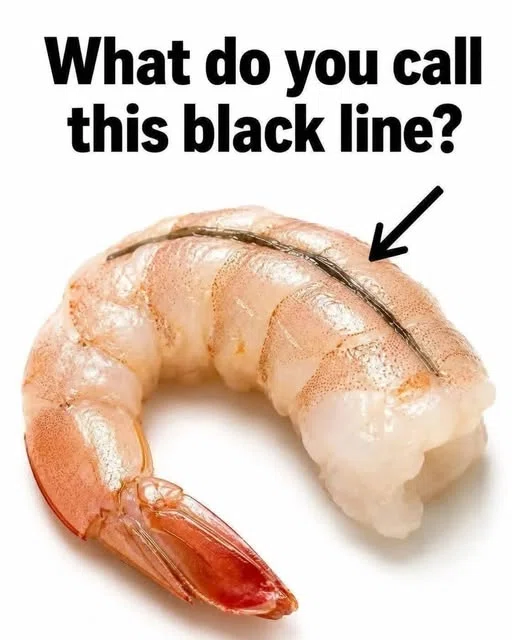
The image shows a cooked shrimp with a distinct dark line running along its curved back, marked by an arrow and the question, “What do you call this black line?” It is a question that puzzles many home cooks and diners alike. The answer is straightforward, though it may not be the most appetizing topic for the dinner table: the black line is the shrimp’s digestive tract, commonly referred to as the sand vein or simply the vein.
Understanding what this line is, why it is there, and how to handle it is a basic but important part of preparing shrimp. While it is not harmful to eat, many people choose to remove it for aesthetic and culinary reasons. Learning the correct terminology and the best methods for cleaning shrimp can elevate your cooking and help you feel more confident in the kitchen.
The Science Behind the “Vein”
Despite its common name, the black line is not a blood vessel. Shrimp have an open circulatory system, and their blood contains a copper-based pigment called hemocyanin, which turns bluish when oxygenated and is not typically visible as a dark line.
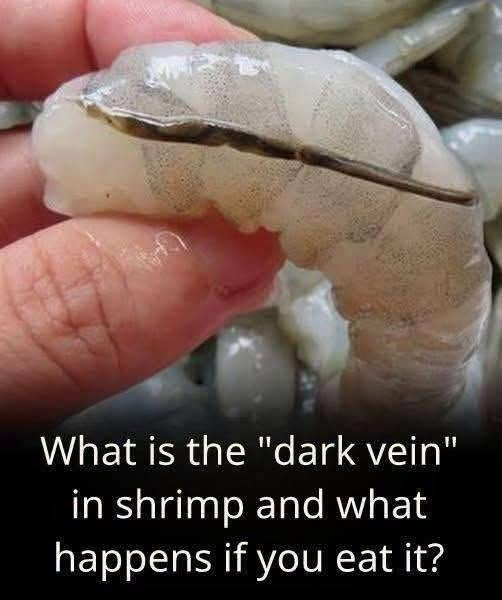
The dark line is actually the shrimp’s digestive tract, which runs from the head, along the back, and down to the tail. It serves as the intestine or hindgut. When the shrimp is raw, the line may be dark grey, brown, or even clear, depending on what the shrimp has recently eaten. When cooked, the line often turns a darker, more pronounced black or dark brown color, which is why it becomes so noticeable in the image.
Why It Is Called a “Sand Vein”
The term “sand vein” is a colloquialism. It likely originated from the fact that the shrimp’s digestive tract can contain sand, grit, and other sediment from the ocean floor. The term is a slightly more palatable way of referring to the digestive tract, making it easier to discuss at the grocery store or in a recipe without being overly graphic.
Is It Safe to Eat?
For most people, eating the sand vein is perfectly safe. It is cooked along with the rest of the shrimp, and the digestive contents are sterilized by the heat. The primary reasons people choose to remove it are aesthetic and culinary.
Aesthetics
The dark line can be visually unappealing, especially in dishes where the shrimp is the star ingredient. A clean, white shrimp looks more appetizing and elegant on a plate.
Flavor and Texture
The contents of the digestive tract can sometimes impart a slightly gritty texture or a faintly bitter or muddy flavor, particularly in larger shrimp or those that have recently fed on dark-colored food. Removing the vein ensures a cleaner, sweeter flavor and a smoother texture.
How to Remove the Vein (Deveining)
Removing the digestive tract is a simple process known as deveining. There are several methods, depending on whether the shrimp is raw or cooked.
Deveining Raw Shrimp
For raw shrimp, the shell is usually removed first. The most common method is to use a small, sharp knife or a dedicated shrimp deveiner.
Make a Shallow Cut: Insert the knife tip along the back of the shrimp, starting just below the head and cutting down to the tail. The cut should be shallow—just deep enough to expose the dark vein without cutting the shrimp in half.
Remove the Vein: Use the knife tip or your fingers to pull out the dark line. It should come out in one piece, but it may break. Rinse the shrimp under cold water to remove any remaining residue.
Alternative Method: A skewer or a toothpick can also be inserted just behind the vein and used to lift it out through a small hole, which keeps the back of the shrimp intact.
Deveining Cooked Shrimp
If the shrimp is already cooked, the vein can be more difficult to remove without damaging the meat. However, it can still be done. Make a shallow cut along the back of the cooked shrimp and use the tip of the knife or your fingers to gently pull out the dark line. If the vein is stubborn, a quick rinse under cool water can help loosen it.
The Myth of the “Poop Shoot”
Some people refer to the sand vein as the “poop shoot,” which is a colloquial and slightly crude way of describing its function. While the digestive tract does contain waste, it is important to remember that the shrimp has been thoroughly cooked, and the contents are not harmful. For those who are particularly sensitive to the texture or appearance, removing it is the best option.
Conclusion
The black line in the shrimp is the digestive tract, commonly called the sand vein or vein. It is safe to eat, but removing it improves the appearance and flavor of the shrimp. Deveining is a quick and easy process that can be done with a small knife or a shrimp deveiner, and it is a valuable skill for anyone who enjoys cooking seafood. Now that you know what it is and how to handle it, you can prepare shrimp with confidence and enjoy them at their best.
Frequently Asked Questions
What is the black line in shrimp called?
It is the shrimp’s digestive tract, commonly called the sand vein or vein.
Is the sand vein dangerous to eat?
No. It is safe to eat, especially after the shrimp has been cooked. It is removed for aesthetic reasons and to improve flavor and texture.
Why is it called a “vein” if it is not a blood vessel?
It is a colloquial term. The line is actually the digestive tract, but the name “vein” (or “sand vein”) has become the standard way to refer to it in cooking and commerce.
How do you remove the sand vein from shrimp?
For raw shrimp, make a shallow cut along the back and pull out the dark line. You can also use a toothpick or skewer to lift it out through a small hole. For cooked shrimp, make a shallow cut and gently pull out the vein.
Do I have to devein shrimp?
It is a matter of personal preference. Many people choose to devein for aesthetic reasons and to ensure a cleaner flavor. It is not strictly necessary for safety if the shrimp is cooked properly.