What Is the “Dark Vein” in Shrimp and What Happens If You Eat It?
That thin black line running along the back of a shrimp is one of the most talked-about details in seafood preparation. Many home cooks pause when they see it, wondering whether it is safe to eat, whether it needs to be removed, and what it actually contains. The good news is that the answer is simpler than the debate suggests. The “vein” is not a vein at all in the circulatory sense. It is the shrimp’s digestive tract, and for most cooked dishes, it is perfectly safe to eat. Understanding what it is, why it is sometimes dark, and when removing it makes a difference can help you cook shrimp with confidence and avoid unnecessary worry.
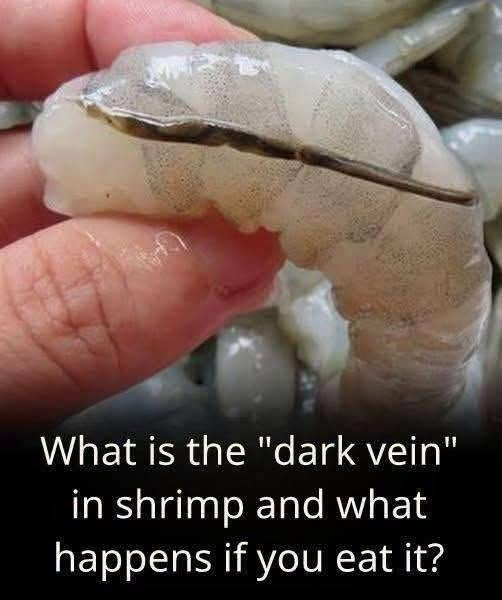
The confusion around this dark line comes from its appearance and its unflattering reputation. It is often described as “poop,” and while that description is not entirely wrong, it oversimplifies a structure that includes the stomach, midgut, and intestine . The color and visibility of the tract vary widely depending on what the shrimp has been eating and where it was harvested. Some shrimp have a faint, almost invisible line, while others show a thick, dark stripe that is impossible to miss. Learning to interpret these differences makes it easier to decide whether deveining is worth the effort for a particular recipe.
What the Dark Line Actually Is
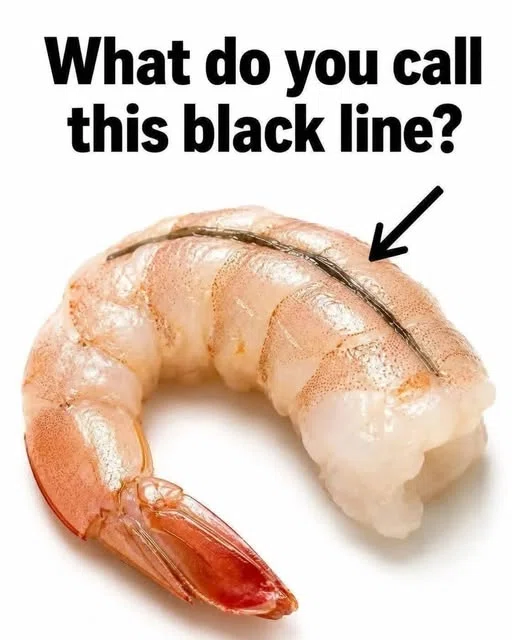
Despite the common name, the dark line along a shrimp’s back is not a blood vessel. It is the shrimp’s intestinal tract, sometimes called the dorsal tract or sand vein . This channel runs from just below the head to the tail and carries waste through the shrimp’s body. Because shrimp are bottom feeders, their digestive tract can contain a mixture of partially digested food, sediment, and grit . When that material is dark, the line becomes highly visible through the translucent flesh of the shrimp.
There is also a second, less noticeable line on the underside of the shrimp. That lower line is the nerve cord, not the digestive tract. It is typically pale or clear and does not need to be removed . When recipes call for “deveining,” they are referring specifically to the dorsal tract on the back.
Is It Safe to Eat?
Yes, the digestive tract is safe to eat as long as the shrimp is properly cooked. Food safety experts consistently note that thorough cooking eliminates any harmful microorganisms that might be present in the tract. The standard recommendation is to cook shrimp until the internal temperature reaches 145°F (about 63°C), at which point the flesh turns firm and opaque .
The risk associated with shrimp is not the vein itself but undercooking. Raw or lightly cooked shrimp can carry bacteria that cause foodborne illness, just as with other types of seafood or meat. When shrimp is cooked properly, those bacteria are destroyed. For dishes that involve raw shrimp, such as ceviche or sashimi-style preparations, the advice is different: removing the digestive tract reduces exposure to bacteria and is generally recommended .
Why Some People Remove It Anyway
Even though the vein is safe to eat when cooked, many cooks and chefs choose to remove it for reasons unrelated to health. The most common motivations are appearance, texture, and flavor.
A dark, prominent vein can be visually unappealing, especially in dishes where the shrimp is served whole, such as shrimp cocktail, grilled skewers, or a simple garlic butter sauté. For those presentations, a clean, white shrimp looks more refined. Texture is another consideration. The digestive tract can contain grit or sand, which may create a slightly gritty sensation when eaten. This is more noticeable in larger shrimp, which tend to have more pronounced and gritty tracts .
Flavor is a subtler issue. Some chefs believe the digestive tract can impart a slightly muddy or bitter taste, particularly in shrimp harvested from sandy or muddy environments . For delicate preparations, removing the vein can produce a cleaner, sweeter flavor.
When You Can Skip Deveining
Deveining is not always necessary. For small shrimp, the tract is often barely visible and removing it can be impractical. Many cooks skip the step for shrimp that will be chopped, mixed into heavily seasoned dishes, or cooked in the shell for a rustic preparation . In a stew, curry, or fried rice, the other flavors and textures overwhelm any minor grittiness that the vein might contribute.
Shrimp that are served peel-and-eat are another case where deveining is often optional. These shrimp are usually smaller, the vein is less noticeable, and the dipping sauce provides enough flavor to mask any subtle differences . The decision ultimately comes down to personal preference and the visual standards of the dish being prepared.
How to Remove the Vein
If you decide to devein shrimp, the process is straightforward, especially when working with raw shrimp. The tract lifts out more easily before cooking, when the flesh is firm and the membrane is intact .
Using a small pair of kitchen scissors or a paring knife, make a shallow cut along the back of the shrimp, following the line of the dark tract. Do not cut too deeply; the goal is to expose the tract, not to split the shrimp in half. Once the cut is open, use the tip of the knife or scissors to lift out the dark line. Rinse the shrimp briefly under cool water to remove any remaining residue .
For cooks who handle shrimp frequently, a dedicated shrimp deveiner can speed up the process. For occasional cooking, a simple knife or scissors is sufficient. If the vein is faint or barely visible, it can be left in place without compromising the dish.
Frequently Asked Questions
Is the dark vein in shrimp actually poop? The vein is the shrimp’s digestive tract, which includes the intestine. It can contain partially digested food and waste, so describing it as “poop” is not entirely inaccurate, though it is more precise to call it the digestive tract .
Can eating the vein make you sick? Not if the shrimp is cooked thoroughly. Cooking shrimp to an internal temperature of 145°F kills harmful bacteria in the digestive tract. The risk comes from eating raw or undercooked shrimp, not from the vein itself .
Do restaurants always remove the vein? Not always. Many restaurants devein larger shrimp for appearance and texture, but smaller shrimp or shrimp in heavily sauced dishes may be served with the vein intact. It is a matter of culinary preference and presentation standards .
Is it easier to devein shrimp before or after cooking? Before cooking is easier. The tract is more intact and lifts out cleanly from raw shrimp. Once the shrimp is cooked, the tract can become mushy and difficult to remove without tearing the flesh .
Does the vein affect the taste of the shrimp? It can, but the effect is subtle. In large shrimp with a dark, gritty tract, some people notice a slightly muddy or bitter taste. In small shrimp or heavily seasoned dishes, the difference is negligible .
Conclusion
The dark line in shrimp is a digestive tract, not a vein, and it is safe to eat when the shrimp is properly cooked. The decision to remove it is about appearance, texture, and personal preference rather than health. For large shrimp served whole or in delicate dishes, deveining produces a cleaner look and a smoother bite. For small shrimp, heavily seasoned recipes, or casual peel-and-eat meals, leaving the vein in place is perfectly acceptable. Understanding this simple distinction allows cooks to approach shrimp preparation with confidence, focusing on what matters most: cooking the shrimp properly and enjoying it in the dishes they love.
SEO Information
1. SEO Title: What Is the “Dark Vein” in Shrimp and What Happens If You Eat It?
3. Meta Description: The dark vein in shrimp is its digestive tract, not a blood vessel. Learn whether it is safe to eat, why cooks remove it, and when you can skip deveining.
4. Primary Keyword: dark vein in shrimp
5. Secondary Keywords:
is shrimp vein safe to eat
do you have to devein shrimp
shrimp digestive tract
how to remove shrimp vein
shrimp deveining
6. Suggested Image Alt Text: A close-up of a raw shrimp held in a hand, showing the dark digestive tract running along its back, with text asking what the vein is and if it is safe to eat.