Why Is My Milk Jug Swollen? Understanding the Causes and Safety Concerns
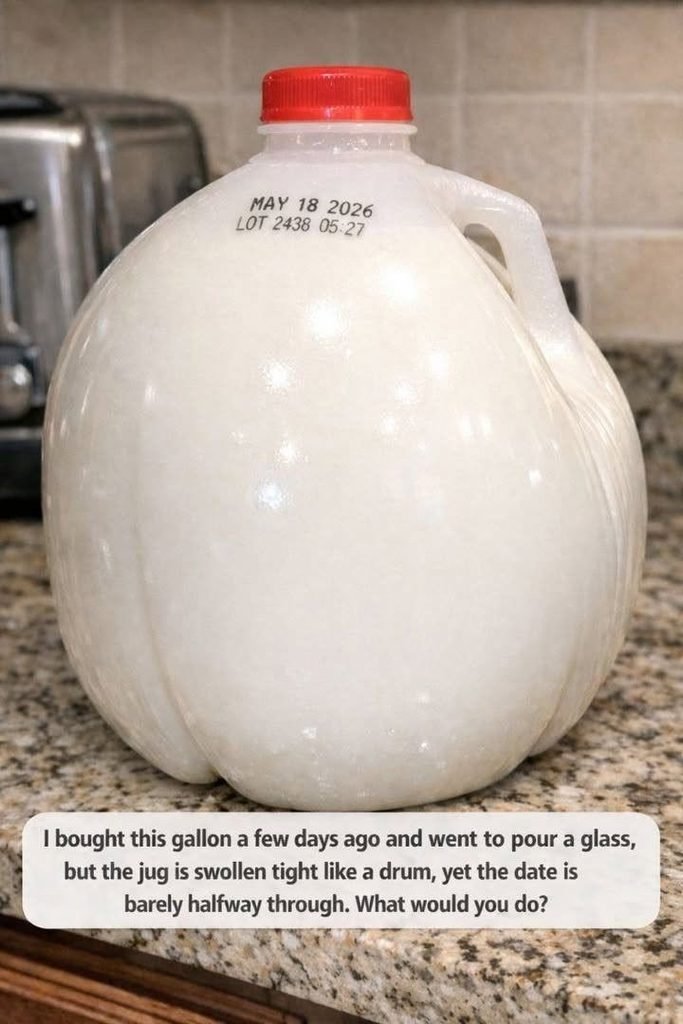
The image above shows a gallon of milk that has become swollen and tight, almost like a drum. The text below explains that the jug was purchased a few days ago, and the expiration date is still far away. This is a concerning situation for any consumer. A swollen milk jug is not normal. It is a sign that something is happening inside the container. Understanding why this happens and what to do about it is important for your safety.
What Causes a Milk Jug to Swell?
The most common reason for a swollen milk jug is bacterial growth. Even though milk is pasteurized to kill harmful bacteria, some spoilage bacteria can survive or be introduced after opening. These bacteria feed on the sugars in the milk and produce gas as a byproduct. This gas builds up inside the sealed container, causing it to expand. The jug becomes tight and drum-like because the pressure has nowhere to escape.
Is It Safe to Drink?
No. If a milk jug is swollen, it should not be consumed. The presence of gas-producing bacteria indicates that the milk has spoiled. Drinking it could cause food poisoning, leading to symptoms like nausea, vomiting, diarrhea, and stomach cramps. Even if the milk does not smell bad, the swelling is a clear warning sign. When in doubt, throw it out.
Other Possible Causes
While bacterial growth is the most likely cause, there are other possibilities. The milk could have been stored at an improper temperature, allowing bacteria to multiply rapidly. It could also be a sign of a packaging defect, though this is less common. In rare cases, the milk may have been contaminated during processing. Regardless of the cause, a swollen jug is a sign that the product is no longer safe.
What Should You Do?
If you find a swollen milk jug in your refrigerator, do not open it. Opening it could release pressure and spray contaminated milk. Instead, carefully remove it from the fridge and dispose of it immediately. You can also return it to the store where you bought it. Most grocery stores will offer a refund or replacement for spoiled products. It is also a good idea to report the issue to the manufacturer. They can investigate the cause and prevent similar issues in the future.
How to Prevent Spoilage
To keep your milk fresh, always check the expiration date before buying. Store milk in the refrigerator at a temperature below 40 degrees Fahrenheit. Keep it in the coldest part of the fridge, not in the door. Do not leave milk out at room temperature for long periods. Once opened, consume it within a few days. If you notice any unusual smell, texture, or color, discard it.
The Bottom Line
A swollen milk jug is a clear sign of spoilage. It is not safe to drink. Do not take any chances with your health. Dispose of the milk properly and contact the store or manufacturer. Your health and safety are the most important things. Always trust your instincts. If something looks wrong, it probably is.