Snakebite First Aid: What to Do If You Are Bitten by a Venomous Snake While Hunting
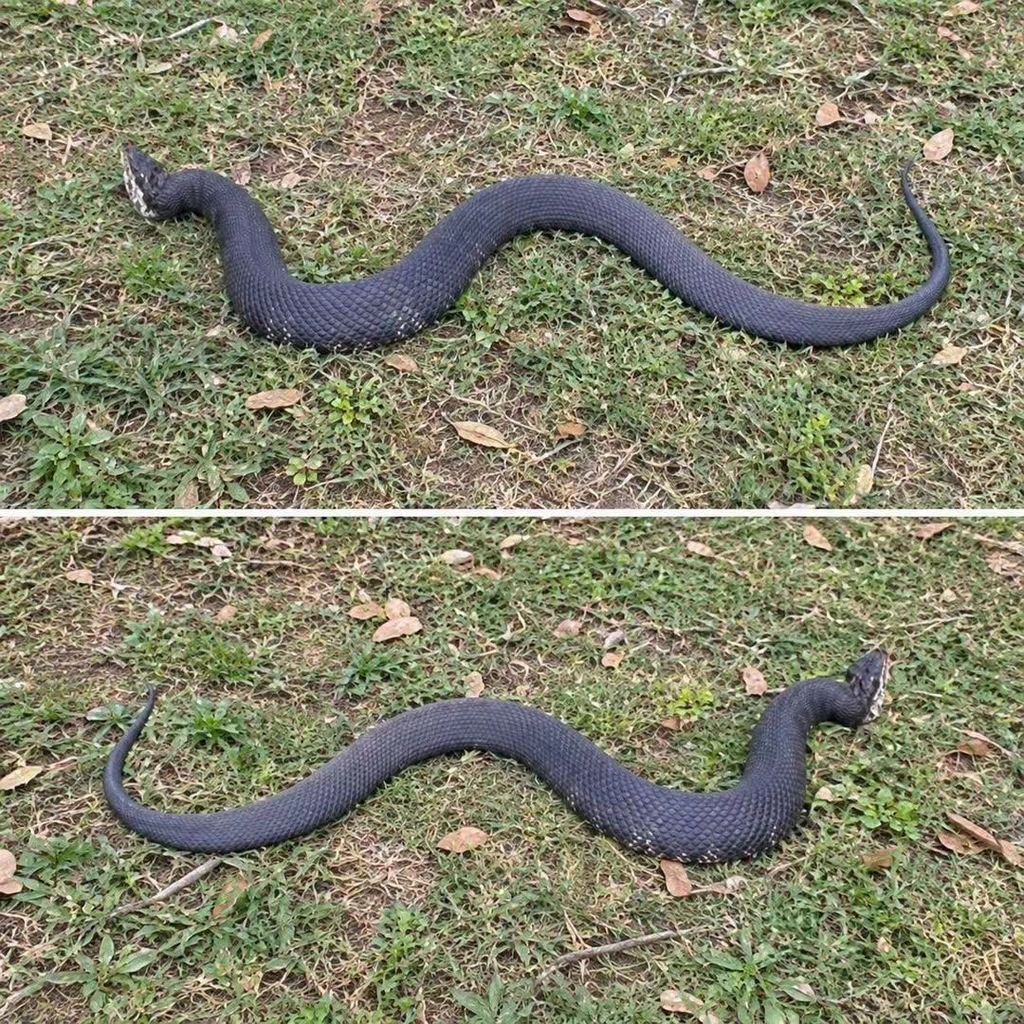
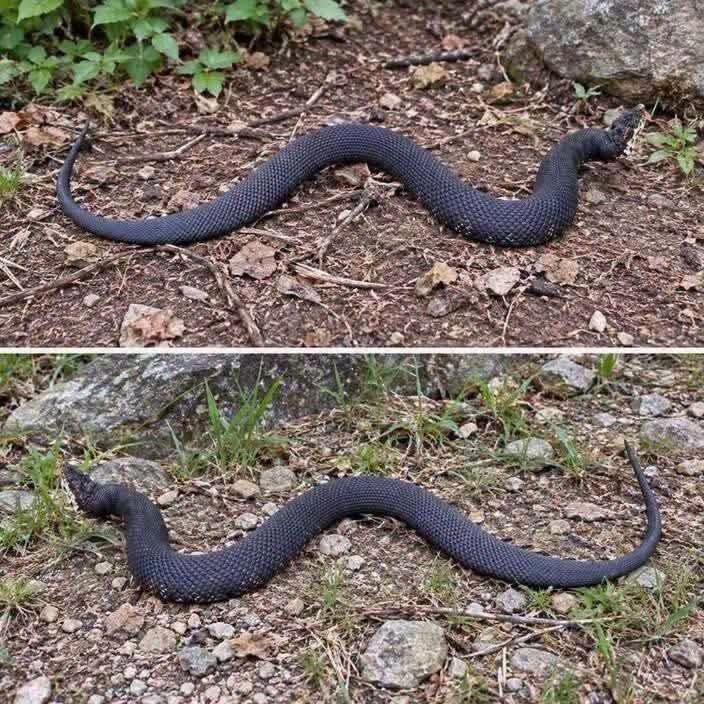
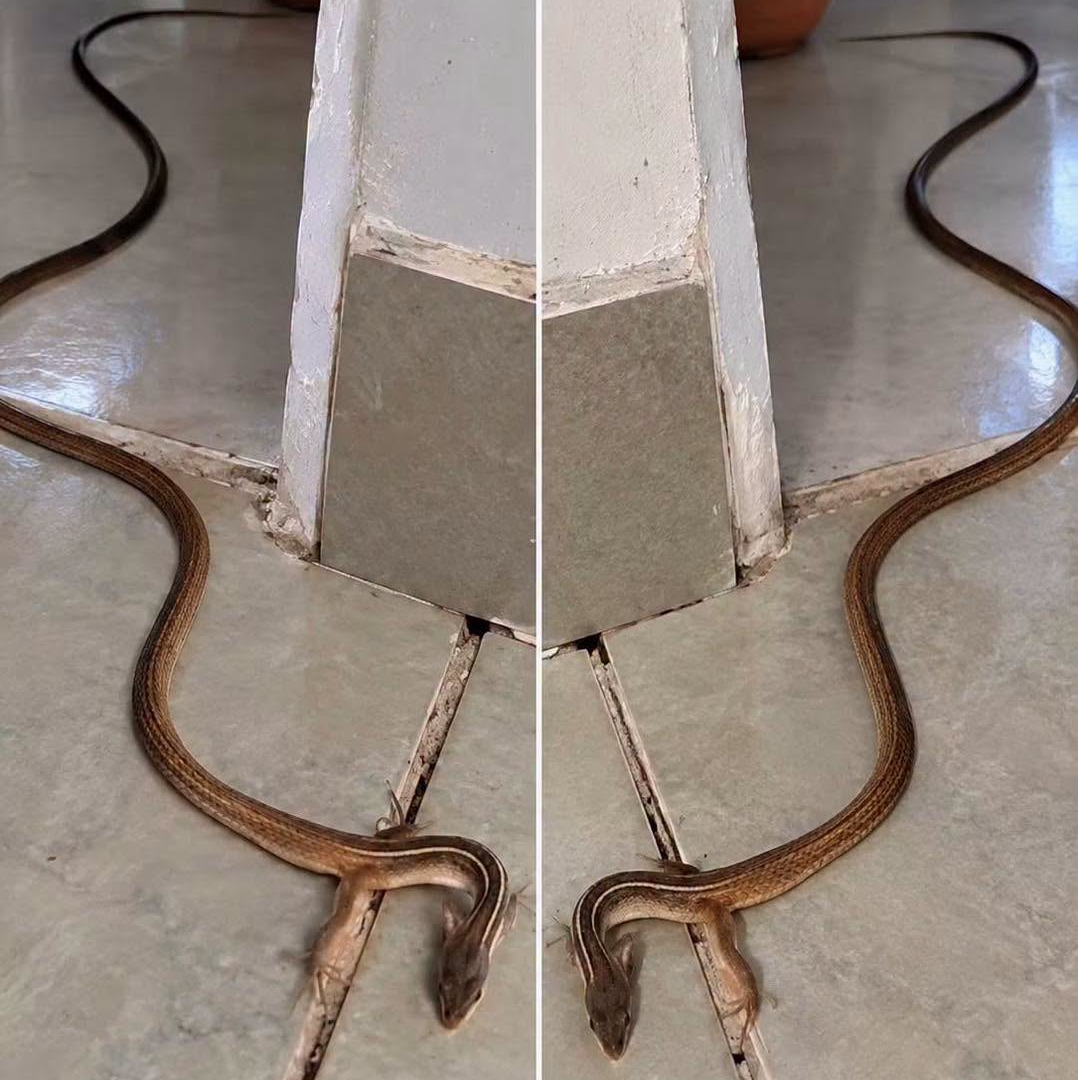
Being bitten by a snake in the field is a frightening experience, especially when you are far from medical help. The image you shared shows a dark, heavy-bodied snake, and based on expert identification in snake identification groups, this is a Cottonmouth (also known as a Water Moccasin), which is a venomous pit viper . The advice from other hunters and snake experts is clear: this is a medical emergency, and you need to seek professional medical care immediately .
This guide provides the critical, medically accepted steps to take if you or someone you are with is bitten by a venomous snake. It is important to stay calm, act quickly, and avoid the dangerous myths that can make the situation worse.
Immediate Action: The First Steps After a Bite
The moments following a venomous snakebite are critical. Your goal is to slow the spread of venom and get to a hospital as fast as possible.
1. Stay Calm and Immobilize the Bite
Panic increases your heart rate, which can speed the spread of venom through your body. Try to remain as calm as possible. Remove any tight clothing or jewelry (like rings or watches) near the bite area before swelling begins. Keep the bitten limb at or slightly below the level of your heart to help slow the venom’s return to the central circulation.
2. Get to an Emergency Room Immediately
This is not a situation for home remedies or waiting to see if symptoms develop. Venomous snakebites require antivenom, which is only available at medical facilities. If you are alone, call for help. If you are with others, have someone drive you to the nearest hospital. Do not attempt to drive yourself if you are feeling dizzy or weak.
3. What NOT to Do (Critical Warnings)
There are many dangerous myths about snakebite treatment. Do not do any of the following:
Do NOT use a tourniquet. Restricting blood flow can cause tissue damage and lead to amputation.
Do NOT cut the wound or try to suck out the venom. This does not work and can cause infection or nerve damage.
Do NOT apply ice or cold packs. This can worsen tissue damage.
Do NOT drink alcohol or caffeine. These can increase your heart rate and speed venom absorption.
Identifying the Threat: Is It a Cottonmouth?
The snake in the image has been identified by members of a snake identification group as a Cottonmouth, with one moderator noting that the photo appears to be a viral image that has been edited and degraded over time . Cottonmouths are venomous and are typically found near water in the southeastern United States. They are often confused with non-venomous water snakes, but the expert consensus on your image is that it is a Cottonmouth.
Why Identification Matters
Knowing the species helps doctors determine the correct antivenom. If you can safely take a photo of the snake from a distance (without risking another bite), do so. If the snake is dead, it can be brought in for identification, but never handle a snake you think is dead—reflexes can still cause a bite.
What to Expect at the Hospital
When you arrive at the emergency room, tell the staff immediately that you have been bitten by a venomous snake. They will assess the bite, monitor your vital signs, and may run blood tests to check for clotting abnormalities. Treatment typically involves pain management, monitoring for swelling and systemic symptoms, and, if necessary, administration of antivenom.
Final Thoughts
A bite from a venomous snake like a Cottonmouth is a serious medical event. The most important thing you can do is get to a hospital without delay. Leave the snake alone, stay as calm as possible, and let medical professionals handle the treatment. Your quick action and the avoidance of dangerous first-aid myths are the best things you can do for your health.
Frequently Asked Questions
What should I do immediately after a venomous snakebite? Stay calm, remove tight clothing or jewelry, keep the limb below heart level, and get to an emergency room immediately. Do not use a tourniquet or try to suck out the venom.
Should I try to catch or kill the snake for identification? No. Trying to catch or kill the snake risks a second bite. If you can take a photo from a safe distance, do so, but prioritize your safety and getting to a hospital.
Is the snake in the image definitely a Cottonmouth? Expert moderators in a snake identification group identified it as a Cottonmouth, noting that the photo appears to be a viral image that has been edited . It is a venomous species.
Can I drive myself to the hospital? It is not recommended. Venom can cause dizziness, weakness, and confusion. Have someone else drive you, or call for emergency medical services.