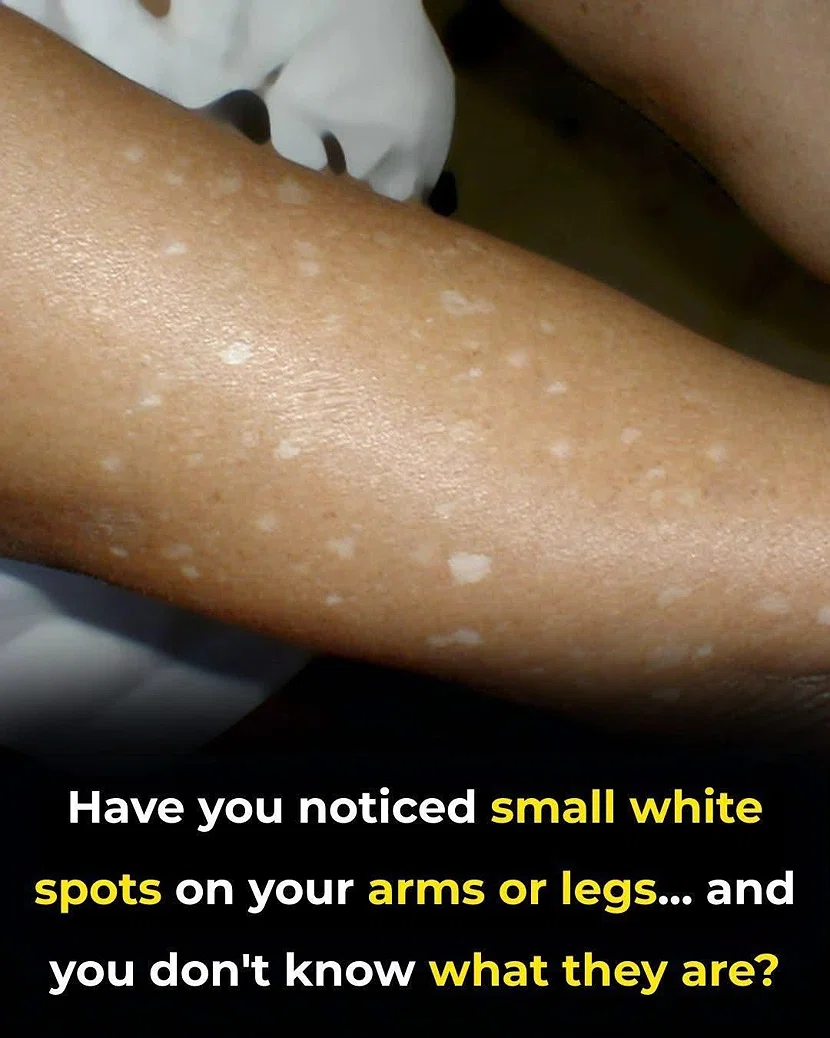
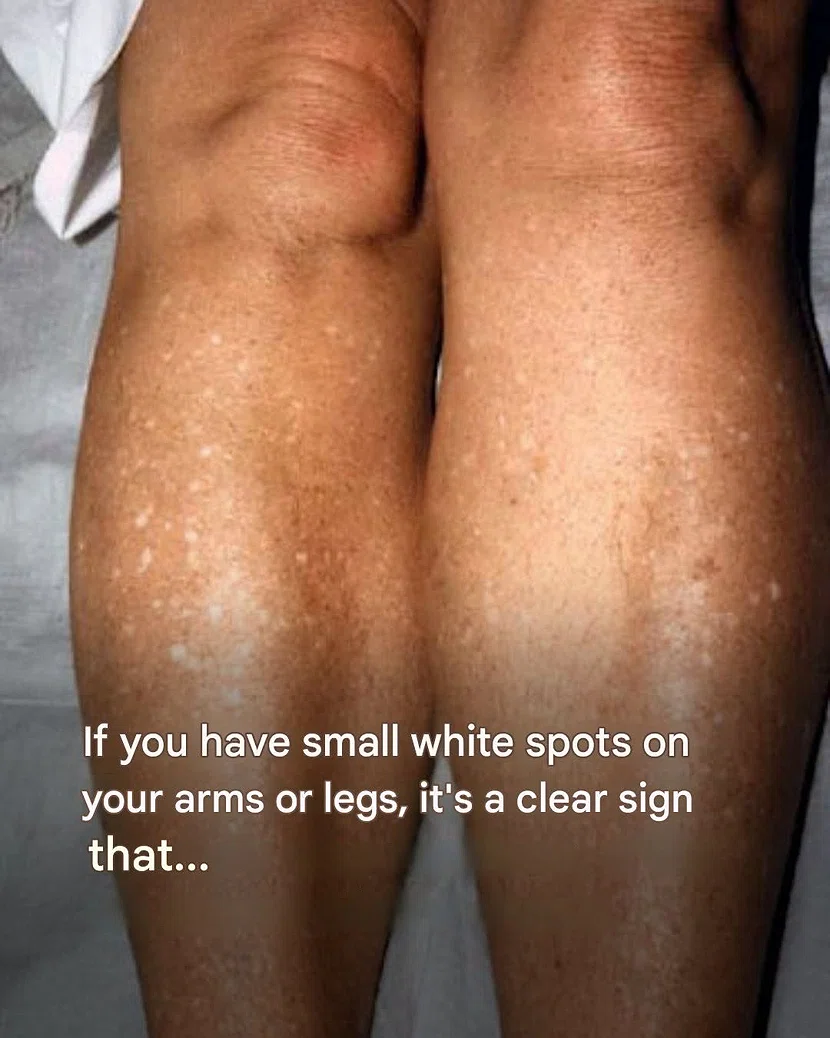
Have You Noticed Small White Spots on Your Arms or Legs? Here’s What They Are
The exact cause of IGH is not fully understood, but researchers believe it is a result of several contributing factors. The most significant is cumulative sun exposure. The condition is thought to be a marker of sun damage, which is why it appears most frequently on sun-exposed areas like the arms and legs . Aging also plays a role, as the spots become more common as people get older. There may also be a genetic component, as the condition has been known to run in families, and tiny cuts to the skin (microtrauma) from scrubbing or other irritants may contribute .
How IGH Differs from Other White Spots
While IGH is the most common explanation, not all white spots are the same. It is important to distinguish IGH from other conditions that can cause similar-looking patches.
Vitiligo
Vitiligo is an autoimmune condition where the immune system attacks the melanocytes, the cells that produce pigment. This results in well-defined, often larger patches of completely white skin. Unlike the small, scattered dots of IGH, vitiligo patches are usually sharply demarcated and can appear anywhere on the body, including the face, hands, and around body openings. The hair within affected areas may also turn white . Vitiligo is associated with other autoimmune conditions, particularly thyroid disease .
Tinea Versicolor
This is a fungal infection caused by an overgrowth of yeast that naturally lives on the skin. It causes scaly patches that can be white, tan, brown, or pink. These patches are often found on the trunk, neck, and upper arms, rather than just the lower limbs. A key distinguishing feature is that the patches are usually scaly and may be mildly itchy, whereas IGH spots are smooth and asymptomatic .
Pityriasis Alba
This is a mild form of eczema that primarily affects children and young adults. It causes faint, poorly defined white patches, often with a fine, powdery scale. It is most common on the face, upper arms, and neck. The spots in pityriasis alba are typically larger and less sharply defined than the small dots of IGH, and the condition usually resolves on its own over time .