Have You Noticed Small White Spots on Your Arms or Legs? Here’s What They Are
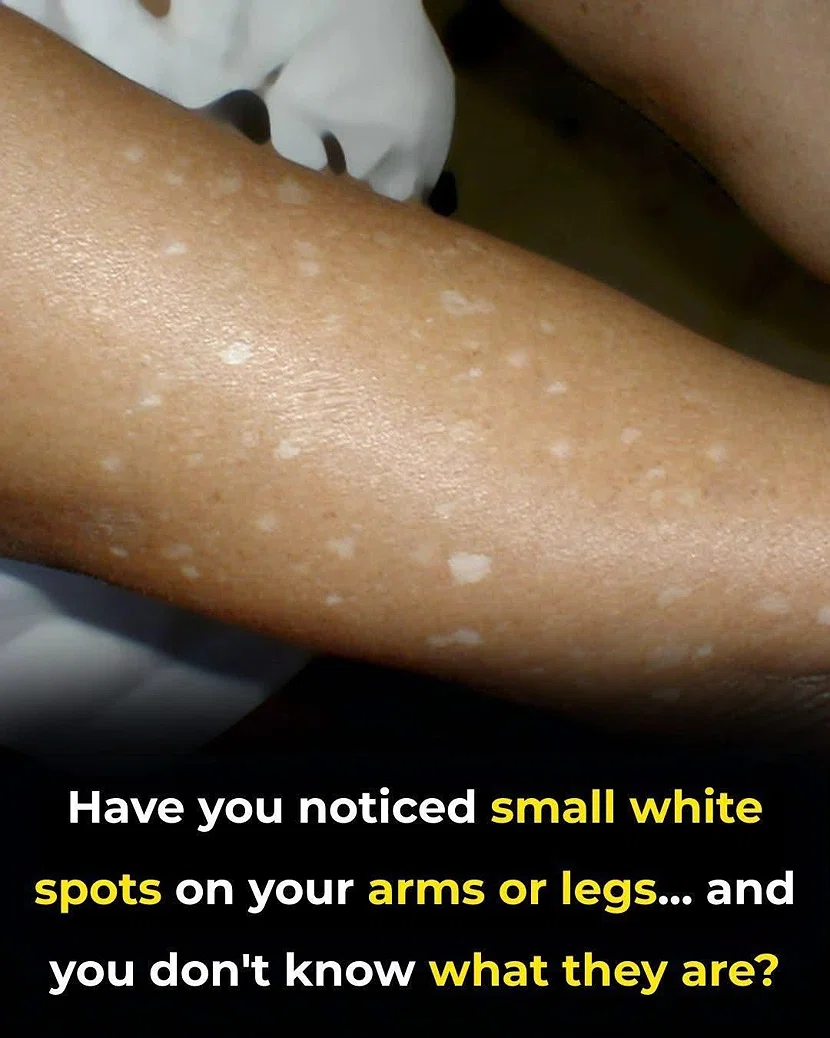
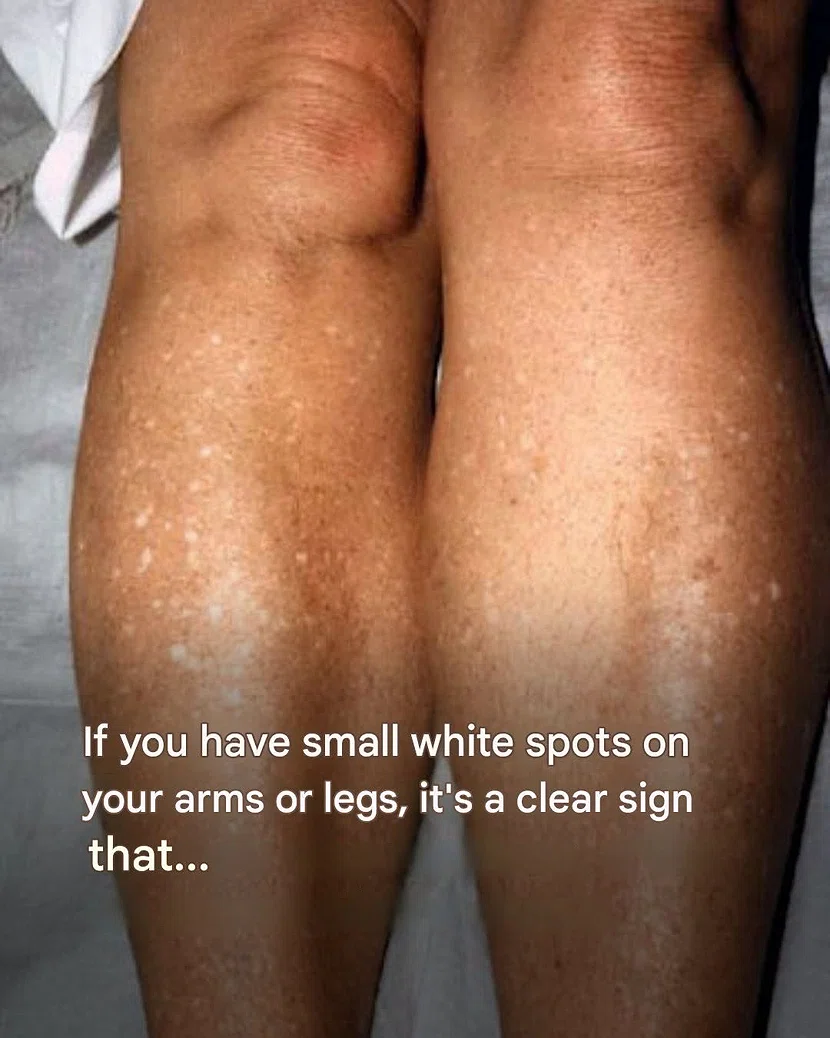
The small white spots on your arms and legs are most likely idiopathic guttate hypomelanosis. They are a common, benign, and permanent feature of skin that has seen its fair share of sun. They are not a sign of a dangerous disease, and they do not require treatment. The best approach is to protect your skin from further sun damage and to consult a dermatologist if you are concerned about the appearance of the spots or if you notice any changes in a spot, such as growth, bleeding, or a change in texture. For the vast majority of people, these spots are simply a harmless part of the skin’s natural history.
Frequently Asked Questions
Are small white spots on arms and legs dangerous?
In the vast majority of cases, no. The most common cause, idiopathic guttate hypomelanosis, is a benign condition that does not pose a health risk .
What is the difference between IGH and vitiligo?
IGH causes small, scattered, drop-like white spots, usually on sun-exposed areas like arms and legs. Vitiligo causes larger, well-defined patches of completely white skin that can appear anywhere on the body and is an autoimmune condition .
Can white spots on the legs be caused by a vitamin deficiency?
While some vitamin deficiencies can affect skin health, the most common cause of small white spots on the limbs is sun exposure and aging, not a vitamin deficiency. A doctor can check for deficiencies if other symptoms are present.
Is there a cure for idiopathic guttate hypomelanosis?
There is no cure, and the spots are considered permanent. However, cosmetic treatments like topical creams or procedures may help reduce their appearance .
When should I see a doctor for white spots?
You should see a doctor or dermatologist if you are unsure of the cause, if the spots are scaly or itchy, if they are spreading rapidly, or if you notice any changes in a spot such as growth or bleeding.