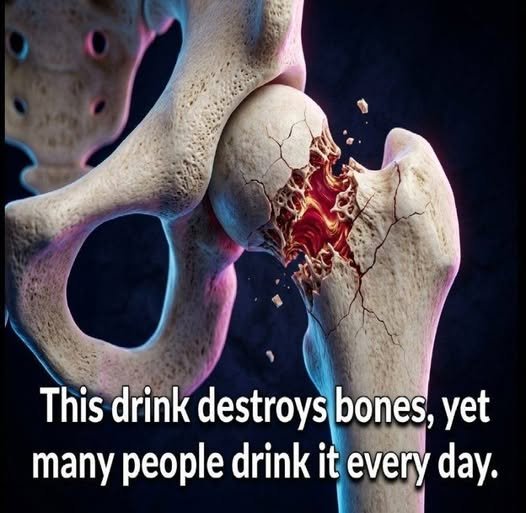
The Five Drinks That Are Most Harmful to Your Bones, According to Health Experts
Emerging research has identified a new concern: artificially sweetened beverages. A large study using UK Biobank data, following over 170,000 participants for a median of 13.5 years, found that high intake of artificially sweetened beverages (more than one serving per day) was associated with a 29 percent increased risk of osteoporosis and an 11 percent increased risk of fracture .
This finding is significant because many people switch to diet sodas or sugar-free drinks assuming they are healthier for bones. The evidence suggests that artificial sweeteners may carry their own risks for bone health, though the mechanisms are not yet fully understood. The study authors emphasize that beverage type, quantity, and individual characteristics all influence bone health outcomes .
What Actually Protects Bone Health
Rather than focusing solely on elimination, a more constructive approach is to build a bone-supportive diet. Adequate calcium intake—typically 1,000 to 1,200 milligrams per day for adults, depending on age and sex—is fundamental. Dairy products, fortified plant milks, leafy greens, and canned fish with bones are good sources. Vitamin D, obtained from sunlight, fatty fish, and fortified foods, is essential for calcium absorption.
Weight-bearing exercise, such as walking and resistance training, stimulates bone formation. Avoiding smoking and limiting alcohol are also important. For people with risk factors for osteoporosis, bone density testing and discussion with a healthcare provider are appropriate steps.
Conclusion
The five drinks most consistently linked to poor bone health are sugary carbonated drinks (especially colas), coffee and caffeine-heavy beverages, strong tea, alcohol, and artificially sweetened drinks. None of these will destroy a healthy skeleton with occasional consumption. The risk emerges from regular, excessive intake—particularly when it displaces calcium-rich foods and beverages and when overall nutrition is inadequate. The most sensible approach is moderation, attention to calcium and vitamin D intake, and awareness that what you drink every day shapes your bones over a lifetime.
Frequently Asked Questions
Does drinking soda really weaken bones?
Regular consumption of cola-type sodas has been associated with lower bone mineral density and higher fracture risk in large studies, particularly in women . The effect is linked to phosphoric acid disrupting calcium balance, the displacement of calcium-rich beverages, and possibly caffeine. Occasional soda consumption is unlikely to be harmful.
Is coffee bad for osteoporosis?
Moderate coffee intake—up to about three cups per day—is unlikely to harm bone health in people with adequate calcium intake. The negative effect of caffeine on calcium absorption is small and can be offset by adding milk to coffee . High intake combined with low calcium intake may increase risk.
Can alcohol cause bone loss?
Heavy alcohol consumption is a well-established risk factor for osteoporosis and fractures. It directly inhibits bone-forming cells and can disrupt calcium absorption . A meta-analysis found that the heaviest drinkers had a 26 percent higher risk of total fractures .
Which drink is the worst for bones?
Cola-type carbonated soft drinks have the most consistent evidence of harm, particularly when consumed regularly and in large amounts. They combine phosphoric acid, sugar, and the displacement of more nutritious beverages.
What should I drink for healthy bones?
Water is the best primary beverage. Milk and fortified plant milks provide calcium and vitamin D. Moderate coffee or tea is acceptable for most people with adequate calcium intake. Limiting sodas, artificially sweetened drinks, and alcohol supports bone health over time.