Rather than focusing solely on elimination, a more constructive approach is to build a bone-supportive diet. Adequate calcium intake—typically 1,000 to 1,200 milligrams per day for adults, depending on age and sex—is fundamental. Dairy products, fortified plant milks, leafy greens, and canned fish with bones are good sources. Vitamin D, obtained from sunlight, fatty fish, and fortified foods, is essential for calcium absorption.
Weight-bearing exercise, such as walking and resistance training, stimulates bone formation. Avoiding smoking and limiting alcohol are also important. For people with risk factors for osteoporosis, bone density testing and discussion with a healthcare provider are appropriate steps.
Conclusion
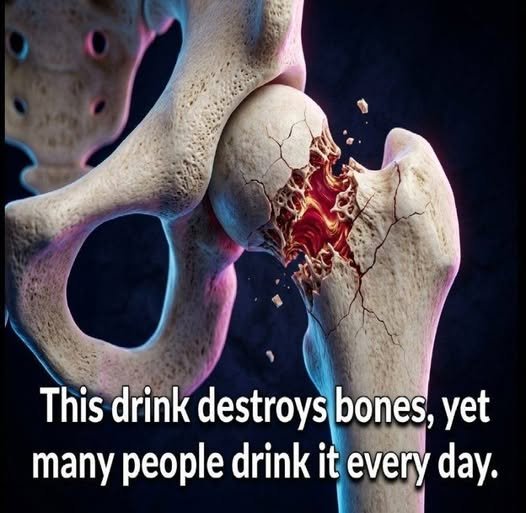
The five drinks most consistently linked to poor bone health are sugary carbonated drinks (especially colas), coffee and caffeine-heavy beverages, strong tea, alcohol, and energy drinks. None of these will destroy a healthy skeleton with occasional consumption. The risk emerges from regular, excessive intake—particularly when it displaces calcium-rich foods and beverages and when overall nutrition is inadequate. The most sensible approach is moderation, attention to calcium and vitamin D intake, and awareness that what you drink every day shapes your bones over a lifetime.
Frequently Asked Questions
Does drinking soda really weaken bones?
Regular consumption of cola-type sodas has been associated with lower bone mineral density and higher fracture risk in large studies, particularly in women . The effect is linked to phosphoric acid disrupting calcium balance, the displacement of calcium-rich beverages, and possibly caffeine. Occasional soda consumption is unlikely to be harmful.
Is coffee bad for osteoporosis?
Moderate coffee intake—up to about three cups per day—is unlikely to harm bone health in people with adequate calcium intake. High intake combined with low calcium intake may increase risk, and Harvard Health advises limiting caffeine if you have osteoporosis .
Can alcohol cause bone loss?
Heavy alcohol consumption (more than two drinks per day) is a well-established risk factor for osteoporosis and fractures. It directly inhibits bone-forming cells and can disrupt calcium absorption . Light drinking’s effects are less clear and may be confounded by other factors.
Which drink is the worst for bones?
Cola-type carbonated soft drinks have the most consistent evidence of harm, particularly when consumed regularly and in large amounts. They combine phosphoric acid, sugar, and the displacement of more nutritious beverages.
What should I drink for healthy bones?
Water is the best primary beverage. Milk and fortified plant milks provide calcium and vitamin D. Moderate coffee or tea is acceptable for most people with adequate calcium intake. Limiting sodas, energy drinks, and alcohol supports bone health over time.