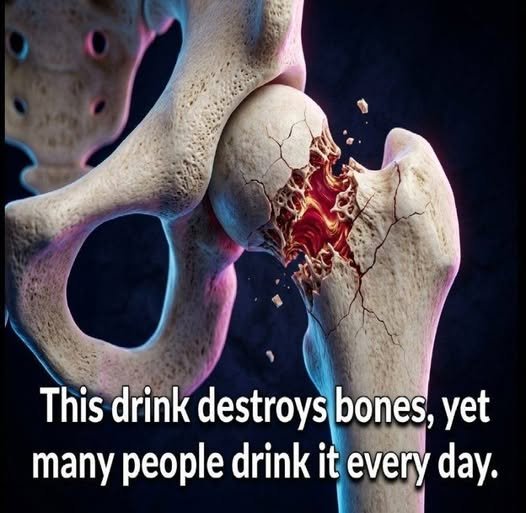
Tea contains caffeine, though generally less than coffee, and the same diuretic and calcium-excretion concerns apply. The 2025 guideline specifically flags strong tea as a beverage that can increase fracture risk when consumed in large quantities—five or more cups per day was associated with higher risk than never drinking tea .
The key distinction is strength and quantity. A cup of weak tea is unlikely to be problematic. But repeatedly drinking strongly brewed tea throughout the day, especially in place of water or calcium-rich beverages, can contribute to calcium loss over time. As with coffee, the overall dietary context matters: if calcium and vitamin D intake are adequate, moderate tea consumption is not a major concern.