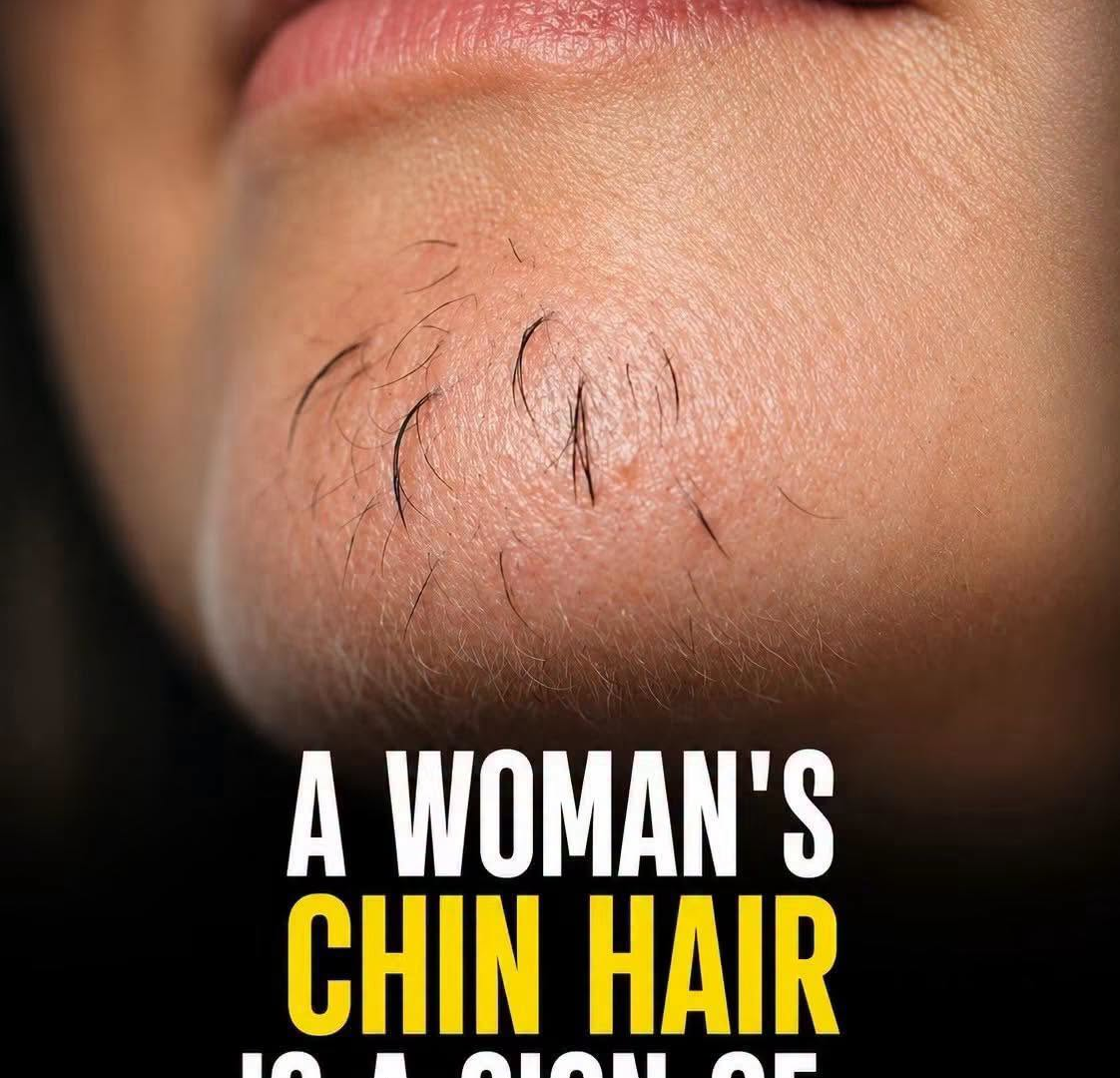
The Truth Behind the Viral Photo: What Those Red Bumps Around the Mouth Actually Mean
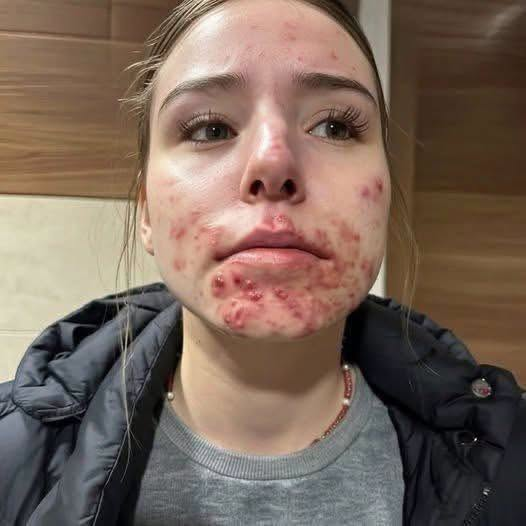
The image of a young woman with a severe, clustered rash of red bumps around her mouth and chin has been circulating widely on social media, often accompanied by a vague and alarming caption suggesting it is the “consequence of sleeping with a…” something. The post is designed to provoke curiosity and fear, but it obscures the actual medical reality. The condition shown is almost certainly perioral dermatitis, a common inflammatory skin disorder that is not caused by a mysterious overnight habit, but by a combination of skin barrier disruption and often the misuse of topical steroid creams.
What Is Perioral Dermatitis?
Perioral dermatitis (POD), also known as periorificial dermatitis, is a facial rash characterized by clusters of small red papules, pustules, and dry, flaky patches . It most commonly appears around the mouth, but can also affect the chin, nasolabial folds, and even the area around the eyes or nose .
The Classic Presentation
The condition has several distinguishing features. The rash typically consists of small, pinhead-sized bumps that may be red or flesh-colored, accompanied by a feeling of burning, stinging, or itching . A key diagnostic clue is that the rash usually spares the vermilion border of the lips—meaning there is a narrow zone of normal-looking skin right next to the lips, which helps differentiate it from other conditions .
The eruption is usually bilateral and symmetrical, though it can sometimes start on one side . It is most common in young women of childbearing age, particularly those between 16 and 45, but it can also occur in men and children .
The Real Causes: Why the Viral Caption Is Misleading
The viral post’s suggestion that this is caused by “sleeping with” something is not supported by medical evidence. The actual triggers for perioral dermatitis are well-documented and have nothing to do with a single overnight behavior.
The Leading Trigger: Topical Steroids
The most significant and well-established trigger for perioral dermatitis is the use of topical corticosteroids on the face . These creams, often prescribed for other skin conditions like eczema, can initially reduce redness and inflammation, providing temporary relief. However, they also suppress the skin’s local immune response and thin the skin barrier. When used on the face, particularly for extended periods, they can paradoxically trigger the eruption of perioral dermatitis or make an existing case significantly worse .
This is a crucial point of education: many people who develop POD are actually treating it with steroid creams, believing it to be a form of eczema or acne, which only perpetuates the cycle.
Other Contributing Factors
Several other factors are associated with the development of perioral dermatitis, though the exact cause is not fully understood .
Fluoride: The use of fluoride toothpaste and fluoridated water has been linked to the condition .
Occlusive Skincare and Cosmetics: Heavy moisturizers, makeup, and products that create a barrier on the skin may contribute to the development of POD .
Hormonal Factors: The strong prevalence in young women suggests a hormonal component. Oral contraceptives and fluctuations in hormones during the menstrual cycle or pregnancy may act as triggers .
Skin Barrier Dysfunction: People with a history of eczema or sensitive skin may be more susceptible, as their skin barrier is already compromised .
What About Sleeping with Wet Hair?
The viral caption’s association with “sleeping with” something may be a misinterpretation of a separate but real health concern. Sleeping with wet hair is indeed not ideal for your skin and scalp—it creates a damp environment on your pillowcase that can promote the growth of bacteria and yeast, potentially leading to acne, dandruff, or folliculitis . However, there is no evidence that sleeping with wet hair is a direct cause of the specific perioral dermatitis pattern shown in the image. The rash in the photo is an inflammatory condition that requires medical diagnosis and treatment, not just a change in bedtime habits.
How to Treat Perioral Dermatitis
The most important step in treating perioral dermatitis is to stop the factor that is triggering it. If you suspect you have POD, the first thing to do is discontinue any topical steroid creams you may be using on your face . This can be difficult, as the skin may initially flare up during withdrawal, but it is essential for long-term resolution.
Medical Treatment Options
A healthcare provider, such as a dermatologist, can confirm the diagnosis and prescribe appropriate treatment. Treatment options include:
Topical Antibiotics: Creams or gels containing erythromycin or metronidazole are commonly prescribed .
Oral Antibiotics: For more persistent cases, oral antibiotics such as doxycycline, minocycline, or tetracycline may be used for several weeks to reduce inflammation .
Avoiding Triggers: Your doctor may recommend switching to a fluoride-free toothpaste and simplifying your skincare routine, avoiding heavy or occlusive products .
Conclusion
The viral post uses a shocking image and a vague caption to generate engagement, but it misrepresents a very real medical condition. The red bumps around the mouth are a hallmark of perioral dermatitis, an inflammatory skin disorder most often associated with the use of topical steroid creams, fluoride, and cosmetic products—not a mysterious “consequence” of a single bedtime habit. If you or someone you know is experiencing a similar rash, the most responsible course of action is to consult a healthcare professional for an accurate diagnosis and a treatment plan that addresses the true underlying causes.
Frequently Asked Questions
Is this rash caused by sleeping with makeup on?
While sleeping in makeup can contribute to acne and skin irritation by clogging pores and disrupting the skin barrier, it is not the primary cause of perioral dermatitis. The condition is an inflammatory disorder most strongly linked to the use of topical steroid creams on the face . However, heavy or occlusive skincare products are a known contributing factor .
Is perioral dermatitis contagious?
No. Perioral dermatitis is an inflammatory skin condition, not an infection. It cannot be passed from person to person.
Can I treat this with acne medication?
No. In fact, many over-the-counter acne treatments can be too harsh for perioral dermatitis and may worsen the irritation. The condition requires specific treatment, often involving antibiotics (topical or oral) and the complete cessation of any steroid creams . It is important to see a doctor for a proper diagnosis.
How long does it take to clear up?
The duration varies depending on the severity and the treatment used. With appropriate medical treatment and avoidance of triggers, improvement is often seen within weeks, but the condition can be persistent and may take several months to fully resolve . Recurrences are possible, so trigger avoidance is important for long-term management.