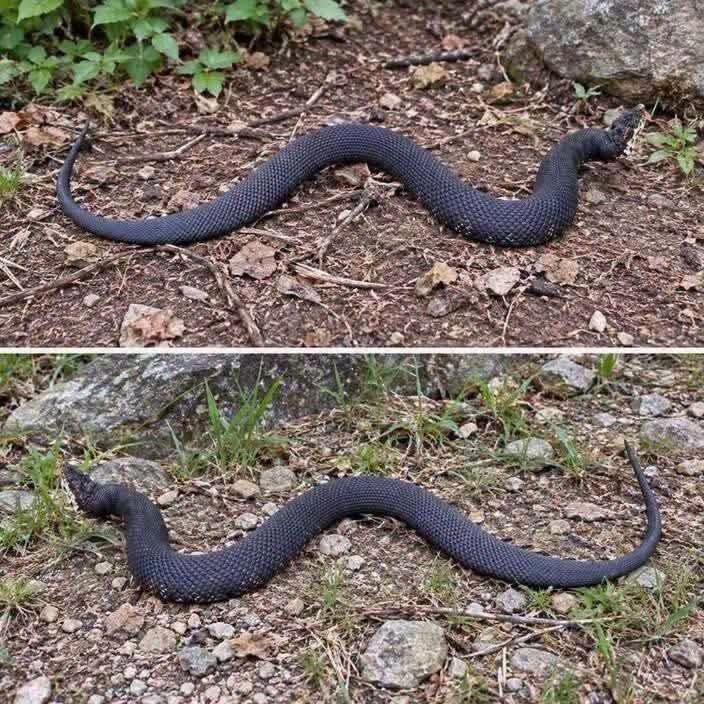
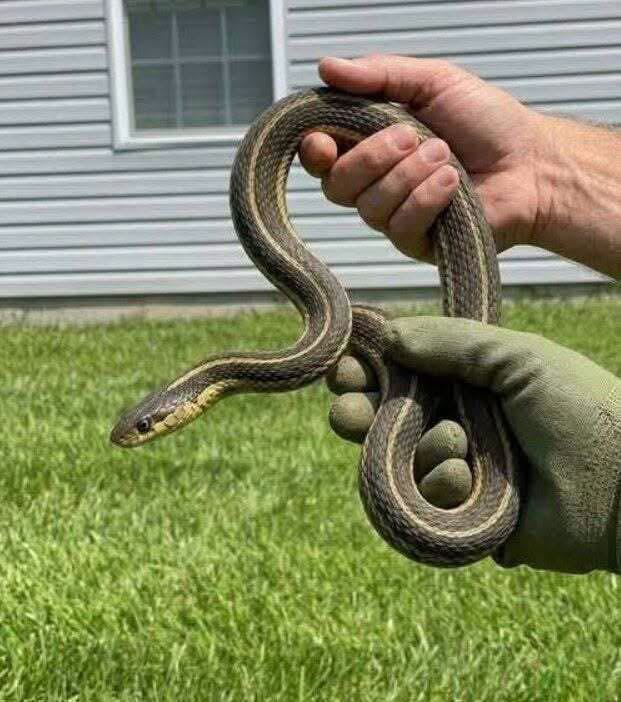
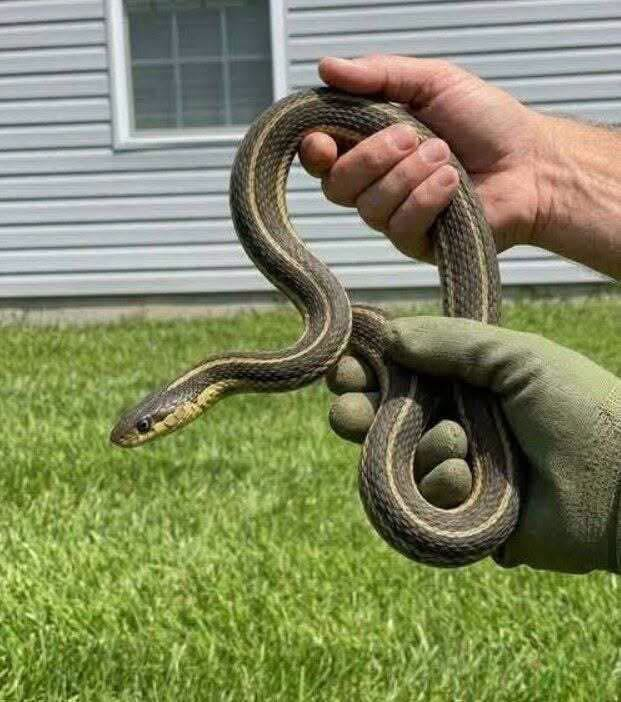
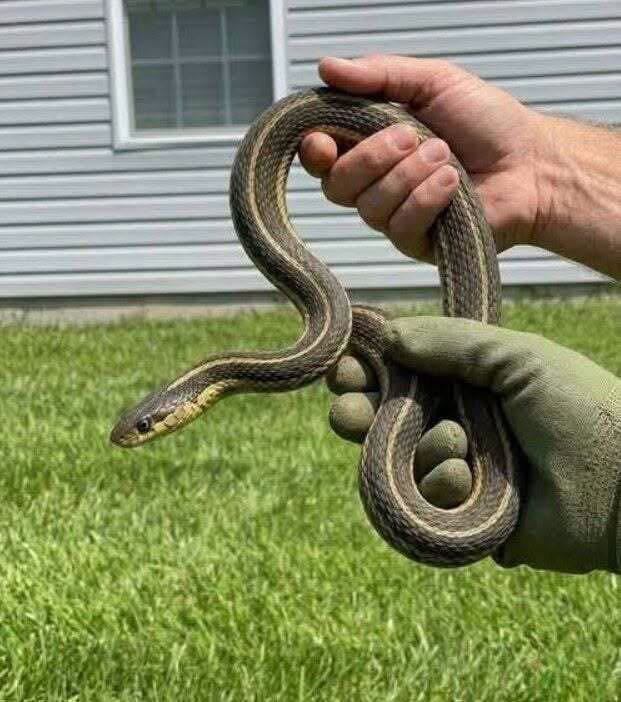
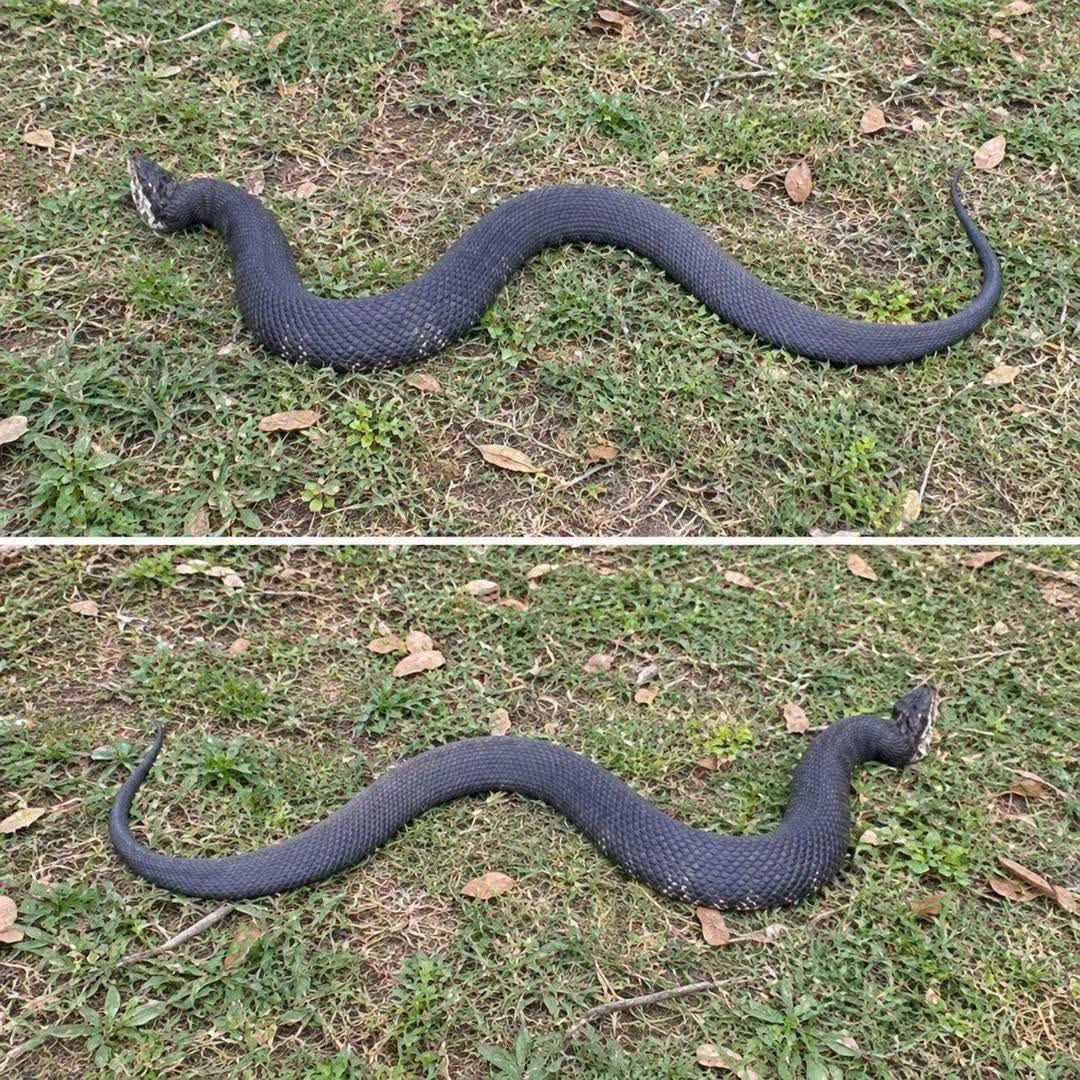
When This “Snake” Enters Your House, It Means You Have… A Harmless Lizard, Not a Venomous Serpent
The viral caption suggests that the creature’s entry carries a hidden meaning. While there is no scientific evidence that a lizard’s presence is a supernatural omen, there are practical and cultural interpretations.
The Practical Reality: Seeking Shelter and Food
From a biological standpoint, a lizard enters a house for the same reasons any small animal does: it is looking for food, warmth, or shelter . They are often drawn indoors through small gaps under doors, cracks in foundations, or open windows, especially during transitional weather when they are seeking a stable temperature. If you have insects in your home, the lizard may have followed its prey inside. Its presence is an indicator of an opening, not an omen.
Cultural Superstitions: Good Luck and Exams
In some cultures, particularly in parts of India, the skink (a close relative of the lizard in the image) is known by the local name “Saanp ki Mausi,” which translates to “snake’s maternal aunt” . Rather than being feared, they are often associated with good luck. One common superstition is that if you touch the tail of the lizard with your little finger, you will pass your exams or receive money . While these are folklore and not scientific facts, they offer a far more positive interpretation than the fear-based caption suggests.
What to Do If You Find One
If you encounter one of these long-tailed lizards in your home, the best course of action is calm and simple.
Catch and Release
Do not panic and do not attempt to kill it. The lizard is more afraid of you than you are of it. You can gently guide it toward an open door or use a broom and a dustpan to sweep it into a container for release outside. If you are uncomfortable handling it, simply closing the door to the room and waiting for it to find its own way out is often sufficient.
Prevention Is Key
To prevent future visits, inspect your home for gaps under doors, cracks in walls, and unscreened windows. Sealing these entry points is the most effective way to keep small reptiles and insects out . Keeping the area around your home free of clutter and tall grass also reduces the likelihood of attracting the insects that lizards feed on.
Conclusion: A Misunderstood Visitor
The “snake” that entered the house in the viral image is not a dangerous serpent or a bad omen. It is a long-tailed lizard, a harmless and beneficial insect hunter that was likely just looking for a meal or a warm place to rest. Its incredible tail, which makes up the majority of its length, is a brilliant evolutionary trick designed to confuse predators, not to frighten homeowners. The next time you see a creature that looks like a snake with legs, look closer. You might just be meeting one of the most fascinating and harmless reptiles that shares our world.
Frequently Asked Questions
Is the creature in the image a snake?
No. It is a long-tailed lizard, likely a six-lined racerunner or a grass lizard. The presence of small legs and a lizard-like head distinguishes it from a snake .
Is it dangerous or venomous?
No. These lizards are completely harmless and non-venomous. They are insectivores and pose no threat to humans or pets .
Why does it have such a long tail?
The long tail is a defense mechanism. It confuses predators and can be shed (autotomy) to allow the lizard to escape. The tail can be up to three or four times the length of the body .
Does it bring good luck?
In some cultures, particularly in parts of India, skinks and similar lizards are considered lucky. A common superstition is that touching their tail brings good fortune or success in exams .
What should I do if I find one in my house?
Stay calm. The lizard is harmless. You can gently guide it outside or use a container to catch and release it. Check for and seal any gaps or cracks that might allow entry .